Escalation in Middle East Tensions: US Launches New Airstrikes on Iran Amid Heightened Global Concerns
US Airstrikes Target Iranian Forces
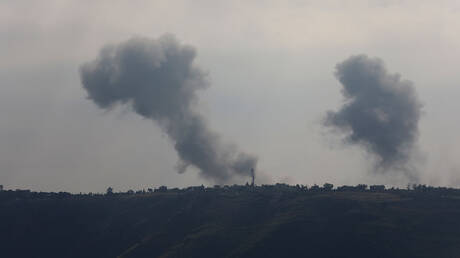
In a significant escalation of military operations, the United States has conducted further airstrikes on Iranian positions, amplifying concerns about destabilization in the Middle East. The strikes, which reportedly targeted weapons depots and command centers linked to Iranian forces in Iraq and Syria, come amidst rising tensions between the two nations.
Background of the Recent Tensions
The relationship between the United States and Iran has been fraught with tension for decades, characterized by a series of conflicts and diplomatic standoffs. The recent strikes are part of ongoing U.S. efforts to counter Iranian influence in the region, which Washington perceives as a threat to both its interests and those of its allies, particularly Israel and Saudi Arabia.
Details of the Airstrikes
The U.S. military stated that the airstrikes were aimed at deterring future attacks against American personnel and coalition forces in the region. According to Pentagon officials, the strikes were successful in neutralizing several key command and control nodes operated by Iranian militias, which have been implicated in recent assaults on U.S. bases.
International Reactions
The airstrikes have elicited a mixed bag of reactions from the international community. While some countries, particularly in the West, have voiced support for the U.S. actions as a necessary step to maintain stability, others, including Russia and China, have condemned the strikes, calling for restraint and dialogue. Iranian officials have vowed to respond to the strikes, further complicating an already volatile situation.
Potential Ramifications for Regional Stability
The escalation in military actions raises serious concerns about the potential for broader conflict in the region. Analysts warn that continued U.S. strikes could provoke retaliatory measures from Iran, leading to a cycle of violence that might engulf neighboring countries. The delicate balance of power in the Middle East could shift dramatically if hostilities escalate into a full-blown military confrontation.
Calls for Diplomacy
In the wake of these developments, several experts and political figures have emphasized the urgent need for diplomatic solutions to address the underlying issues fueling tensions between the U.S. and Iran. Many believe that engaging in constructive dialogue, rather than military action, is essential for long-term stability in the region.
Conclusion
As the situation unfolds, the international community watches closely, aware that the ramifications of U.S. airstrikes on Iran could extend far beyond the borders of the Middle East. With both sides entrenched in their positions, the path forward remains uncertain, highlighting the importance of diplomacy in resolving one of the most critical geopolitical challenges of our time.