Escalation in Middle East: Israel's Strikes on Lebanon City Amidst Trump-Promised Ceasefire
•Background of the ConflictThe longstanding tensions between Iran and the United States have recently intensified, leading to significant military actions across the Middle East.
•Former President Donald Trump's call for a ceasefire, intended to halt escalating violence, has seemingly been disregarded as Israel conducts airstrikes in Lebanon.Recent Developments in LebanonOn Wed...
•This move comes after an increase in hostilities, with Hezbollah and other Iranian-backed militias threatening Israeli borders.
هذا الخبر من خبر - ترند. خبر يقدم أدوات ذكاء اصطناعي للتلخيص والترجمة والاستماع.
المصدر: خبر - ترند | Source: خبر - ترندBackground of the Conflict
The longstanding tensions between Iran and the United States have recently intensified, leading to significant military actions across the Middle East. Former President Donald Trump's call for a ceasefire, intended to halt escalating violence, has seemingly been disregarded as Israel conducts airstrikes in Lebanon.
Recent Developments in Lebanon
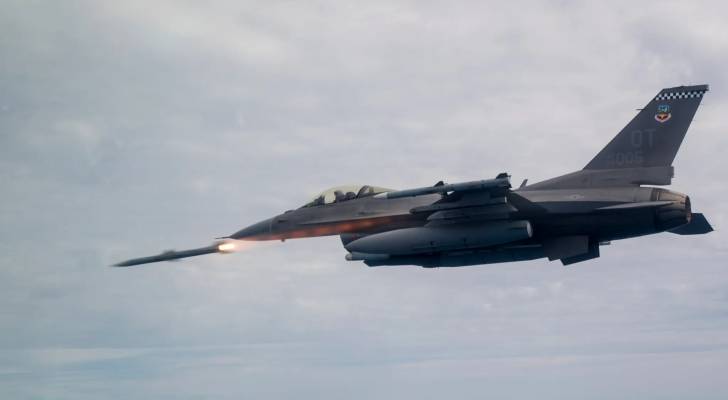
On Wednesday, Israeli forces launched a series of airstrikes on the ancient coastal city of Tyre, known for its rich history and significance in the region. This move comes after an increase in hostilities, with Hezbollah and other Iranian-backed militias threatening Israeli borders. Eyewitnesses report significant destruction, with multiple buildings damaged and civilian casualties rising amidst the chaos.
Trump's Ceasefire Initiative
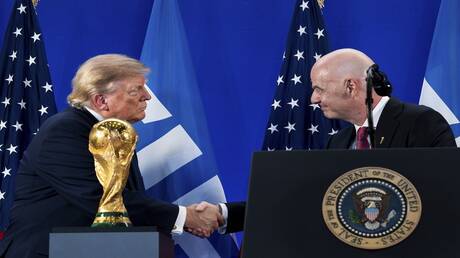
Former President Trump's recent efforts to broker a ceasefire have drawn mixed reactions from political analysts and foreign policy experts. Critics argue that while the ceasefire was a step towards peace, its effectiveness is undermined by the ongoing military actions. Trump's announcements aimed to stabilize the region but have highlighted the complexities of Middle Eastern geopolitics, especially regarding U.S. relations with Iran.
International Reactions
The international community has reacted with concern regarding Israel's latest assault. Various governments and organizations have called for restraint and urged all parties involved to return to diplomatic discussions. The United Nations has emphasized the need for an immediate halt to hostilities to prevent further civilian suffering and loss of life.
The Role of Hezbollah
Hezbollah's involvement in the conflict complicates the situation further, as it has vowed to retaliate against any Israeli aggression. Analysts warn that an all-out war could ensue if Hezbollah decides to escalate its military response, potentially dragging in other nations and worsening the humanitarian crisis in Lebanon.
Implications for U.S. Foreign Policy
This latest flare-up raises questions about the effectiveness of U.S. foreign policy in the region. As tensions rise, the Biden administration faces pressure to address the situation proactively. Balancing support for Israel and addressing Iran's influence poses a significant challenge, especially with domestic and international stakeholders watching closely.
Conclusion
The situation in the Middle East remains precarious, with Israel's strikes on Lebanon highlighting the fragility of the region. As the world watches closely, the impact of these actions will resonate far beyond the immediate area, affecting global diplomatic relations and future peace efforts. Without a genuine commitment to ceasefire and dialogue, the cycle of violence risks spiraling further out of control.
ملاحظة تحريرية | Editorial Note: نُشر هذا المقال في الأصل بواسطة خبر - ترند. خبر (Khabr) هي منصة إعلامية أردنية مرخّصة تعمل بالذكاء الاصطناعي. نضيف قيمة تحريرية من خلال: تحليل ذكي للأخبار، ملخصات تلقائية، رواية صوتية بالذكاء الاصطناعي، ترجمة متعددة اللغات، وتدقيق الحقائق. هدفنا جعل الأخبار أكثر وضوحاً وسهولةً للقارئ العربي.
This article was originally published by خبر - ترند. Khabr is a licensed Jordanian AI-powered news platform (Registration #82086). We add editorial value through: AI-powered news analysis, automated summaries, AI audio narration, multi-language translation (Arabic, English, French, Turkish), and AI fact-checking. Our mission is to make news more accessible and understandable for Arabic-speaking audiences worldwide.