Escalating Tensions: U.S. Conducts Nightly Strikes on Iran Amid Trump’s Commitment to Secure Strait of Hormuz
•The U.S. has intensified military operations against Iran with consecutive airstrikes on Iranian military assets.
•President Trump emphasizes the importance of keeping the Strait of Hormuz open, asserting military readiness.
•Mixed international reactions to the strikes highlight concerns over potential conflict escalation and the need for diplomatic solutions.
المصدر: خبر - ترند | Source: خبر - ترندU.S. Military Operations Against Iran Intensify
The United States has entered a new phase of military engagement in the Middle East, conducting its third consecutive night of airstrikes aimed at Iranian military assets. This escalation comes amid increasing tensions following recent incidents involving Iranian forces and U.S. naval operations in the Gulf region.
Background of Rising Tensions
Relations between the U.S. and Iran have been strained for decades, but in recent months, they have deteriorated to a critical point. The U.S. attributes its military actions to a desire to safeguard maritime security in the Strait of Hormuz, a vital artery for global oil shipments. Approximately 20% of the world's oil supply passes through this narrow waterway, making its security paramount.
Trump's Strong Stance
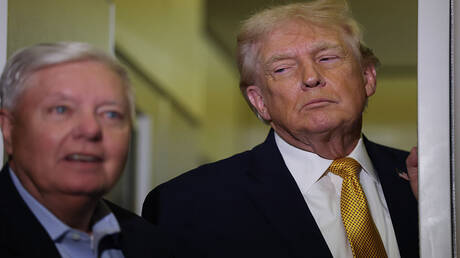
President Donald Trump has been vocal about his administration's commitment to keeping the Strait of Hormuz open. In a speech, he declared, "We will not allow Iran to close this crucial passage. Our military is prepared to act decisively if necessary to ensure free navigation in these waters." Trump's firm rhetoric reflects a broader strategy to counter Iran's influence in the region.
Details of the Airstrikes
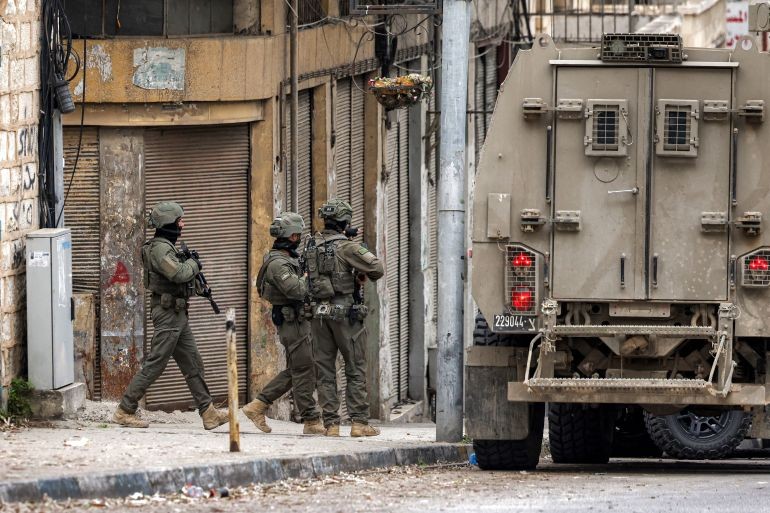
The latest round of U.S. airstrikes targeted key Iranian military installations believed to be involved in hostile actions against U.S. forces and allies. Sources indicate that the strikes were executed with precision, aimed at minimizing collateral damage while effectively crippling Iran's military capabilities. Initial reports suggest that the strikes were successful, resulting in significant damage to Iranian infrastructure.
International Reactions
Global reactions to the U.S. military actions have been mixed. While some European nations have expressed concern over the potential for a wider conflict, other countries, notably in the Gulf Cooperation Council (GCC), have voiced support for the U.S. stance. Analysts warn that continued military operations could lead to a prolonged engagement, further destabilizing an already volatile region.
Congressional Response
Back in Washington, the congressional response has been divided. Some lawmakers are backing the administration's actions as necessary for national and global security, while others are calling for a reevaluation of U.S. military strategy in the Middle East. A bipartisan group of senators has expressed the need for more oversight regarding military engagements abroad, emphasizing the importance of diplomacy alongside military action.
Future Implications
The ongoing conflict between the U.S. and Iran raises significant implications for regional and global security. As U.S. forces remain stationed in the Middle East, there are concerns about retaliatory actions from Iran, which could lead to an escalation of military engagements. Observers are calling for a renewed diplomatic approach to prevent further conflict and to address the underlying issues of U.S.-Iran relations.
Conclusion
The situation in the Strait of Hormuz serves as a critical focal point in U.S.-Iran relations, with military actions underscoring the urgency of the matter. As President Trump reiterates his commitment to ensuring security in this strategic waterway, the potential for conflict looms large, necessitating careful navigation of international relations in the coming weeks.
→The U.S. has intensified military operations against Iran with consecutive airstrikes on Iranian military assets.
→President Trump emphasizes the importance of keeping the Strait of Hormuz open, asserting military readiness.
ملاحظة تحريرية | Editorial Note: نُشر هذا المقال في الأصل بواسطة خبر - ترند. خبر (Khabr) هي منصة إعلامية أردنية مرخّصة تعمل بالذكاء الاصطناعي. نضيف قيمة تحريرية من خلال: تحليل ذكي للأخبار، ملخصات تلقائية، رواية صوتية بالذكاء الاصطناعي، ترجمة متعددة اللغات، وتدقيق الحقائق. هدفنا جعل الأخبار أكثر وضوحاً وسهولةً للقارئ العربي.
This article was originally published by خبر - ترند. Khabr is a licensed Jordanian AI-powered news platform (Registration #82086). We add editorial value through: AI-powered news analysis, automated summaries, AI audio narration, multi-language translation (Arabic, English, French, Turkish), and AI fact-checking. Our mission is to make news more accessible and understandable for Arabic-speaking audiences worldwide.