⚡ عاجل: كريستيانو رونالدو يُتوّج كأفضل لاعب كرة قدم في العالم●⚡ أخبار عاجلة تتابعونها لحظة بلحظة على خبر●⚡ تابعوا آخر المستجدات والأحداث من حول العالم●
AI اقتراحات ذكية
AI مباشر|--مشاهد مباشر
1,076,807مقال401مصدر نشط228قناة مباشرة4,009خبر اليوم
آخر تحديث:منذ ثانيتين
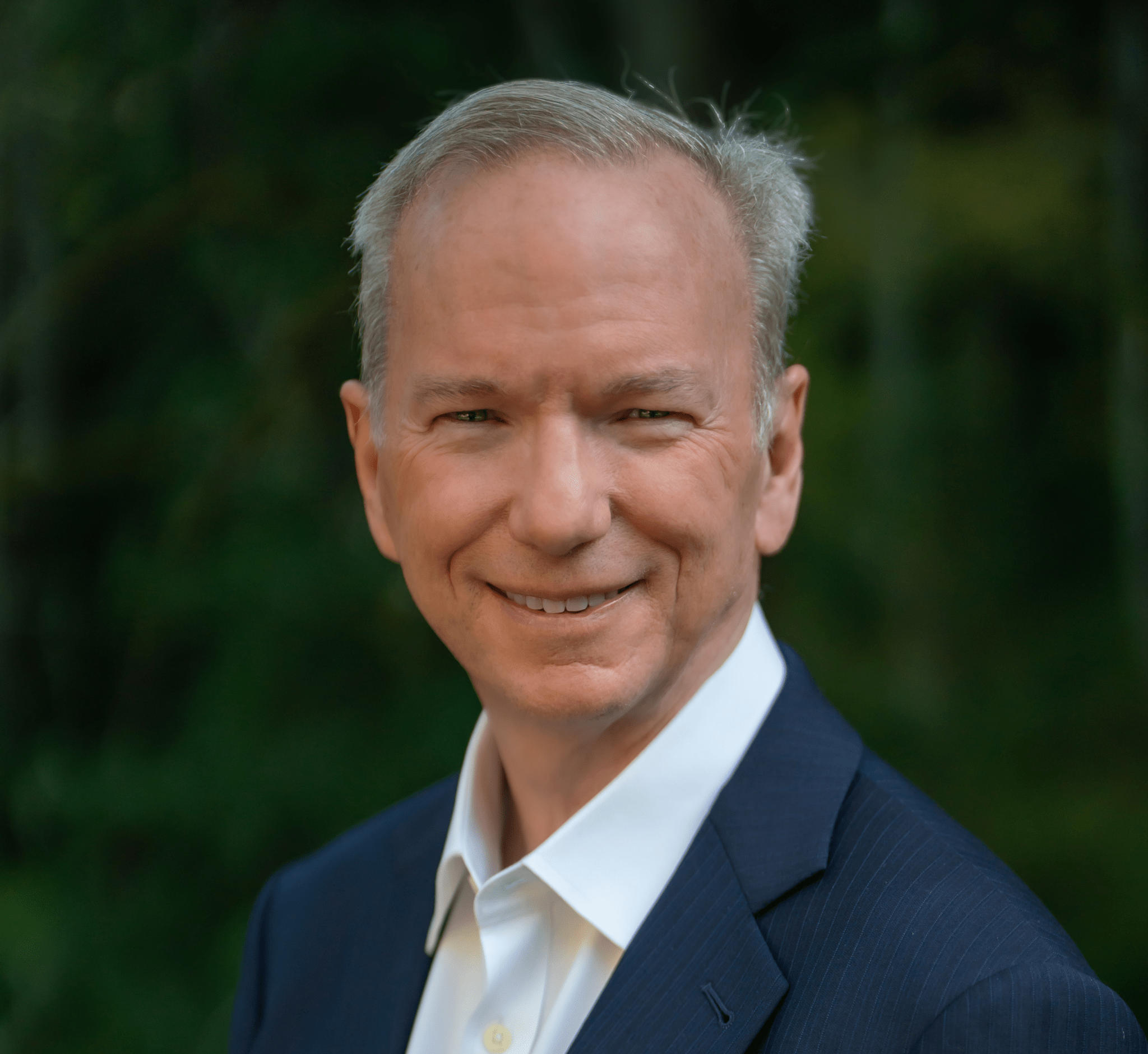
Eric Schmidt: Big Tech should power its own AI ambitions
•Artificial intelligence is becoming increasingly polarizing — not just because of the content it produces or which jobs it might displace, but because many Americans believe it is driving up their ele...
•Currently, most data centers draw from the public grid rather than securing their own energy sources – a fact that many associate with sky-high electricity prices.
•Responding to widespread bipartisan concern, President Trump gathered various technology executives at the White House this week to sign a pledge promising not to raise energy prices for con...
هذا الخبر من فورتشن العربية. خبر يقدم أدوات ذكاء اصطناعي للتلخيص والترجمة والاستماع.
Artificial intelligence is becoming increasingly polarizing — not just because of the content it produces or which jobs it might displace, but because many Americans believe it is driving up their electric bills.
Currently, most data centers draw from the public grid rather than securing their own energy sources – a fact that many associate with sky-high electricity prices. Responding to widespread bipartisan concern, President Trump gathered various technology executives at the White House this week to sign a pledge promising not to raise energy prices for consumers. Tech leaders should respond to this momentum by embracing data centers that are co-located with energy sources rather than relying on the grid’s power. Solutions like this will ensure everyday Americans never foot the bill for our country’s AI ambitions.
Most existing data centers are plugged into the grid, so they use the same energy supply on which households depend. When demand grows, utility companies often need to pass on costs of grid upgrades to consumers, so households end up paying more for their electricity. The pledge responds to this reality, but temporarily covering those costs and permanently eliminating them are two different things. There is a logical next step to turn promises into action.
Data centers co-located with their own electricity source place little to no burden on the grid and can do more than prevent cost increases. When their excess electricity eventually connects to the grid, they can bring costs down for surrounding households, and hyperscalers gain the added benefit of being connected to the grid as a backup. The companies that move in this direction where possible – embracing data centers that are co-located with their own power source – can turn their commitments into reality. While residents may still have concerns about industrial neighbors, a facility that does not affect their electricity bills removes a central grievance driving bipartisan efforts to stop building data centers.
In 2024, more than a third of Americans avoided an otherwise necessary expense so they could afford their electric bills. Last year, regulators across the country approved $11.6 billion in rate increases, which consumers associate with the data center frenzy that can already cause price increases of up to 25% in data center-heavy areas. At least six states – Maryland, Georgia, New York, Oklahoma, Vermont, and Virginia – are considering moratoriums on data center construction. Denver’s mayor has already instituted a similar pause. At the federal level, Sen. Bernie Sanders has called for a national moratorium, while governors Ron DeSantis and Josh Shapiro have both declared that their residents should not pay higher energy bills to power AI.
The White House pledge for tech companies responds to fears of what data center buildouts mean for everyday Americans’ strained wallets. The public’s frustration is a signal that the tech industry should heed.
Last April, during my congressional testimony, I said “our energy system will become the Achilles heel of our AI ambitions.” The statistics should alarm anyone concerned about American AI leadership. Lawrence Berkeley National Lab projects data centers could consume up to 12% of all U.S. electricity by 2028, more than triple their share in 2024. And yet the industry is already falling behind: a recent analysis tracking nearly 800 large projects found up to 50 percent of the capacity slated to come online this year is unlikely to materialize on schedule. Of the roughly 16 gigawatts expected in 2026, only about 5 gigawatts of power generation is currently under construction. The reasons for these delays are varied, but increased electricity bills will continue being a pressing concern for consumers.
To be sure, the industry had already made efforts preceding the White House pledge to reduce costs for households. Microsoft has committed to pay utility rates that fully cover its data center energy costs; OpenAI has pledged to pay its own way on energy so its operations do not increase electricity prices; and Anthropic has committed to cover 100 per cent of the grid upgrade costs its facilities require. The signing of the White House pledge is a good start and raises the question of what comes next. Companies that avoid relying on the same grid households depend on by co-locating data centers with their energy sources will scale fastest and drive American AI leadership.
Energy will determine whether the United States wins the AI race. Co-locating data centers with their own energy sources is a solution that prevents unnecessary costs for American households while advancing national competitiveness. If people believe a technology is being built on their backs, the backlash that follows is difficult to reverse. With the pledge signed, the window for companies to get this right is still open, but it won’t be for long.
The opinions expressed in Fortune.com commentary pieces are solely the views of their authors and do not necessarily reflect the opinions and beliefs of Fortune.
ملاحظة تحريرية | Editorial Note:
نُشر هذا المقال في الأصل بواسطة فورتشن العربية.
خبر (Khabr) هي منصة إعلامية أردنية مرخّصة تعمل بالذكاء الاصطناعي.
نضيف قيمة تحريرية من خلال: تحليل ذكي للأخبار، ملخصات تلقائية، رواية صوتية بالذكاء الاصطناعي، ترجمة متعددة اللغات، وتدقيق الحقائق.
هدفنا جعل الأخبار أكثر وضوحاً وسهولةً للقارئ العربي.
This article was originally published by فورتشن العربية.
Khabr is a licensed Jordanian AI-powered news platform (Registration #82086).
We add editorial value through: AI-powered news analysis, automated summaries, AI audio narration, multi-language translation (Arabic, English, French, Turkish), and AI fact-checking.
Our mission is to make news more accessible and understandable for Arabic-speaking audiences worldwide.
هذا الخبر ضمن تغطية خبر لقسم تكنولوجيا.
نقدّم لك تحليلات ذكية وملخصات يومية لأهم الأخبار من مصادر موثوقة متعددة.
المصدر: فورتشن العربية.
يوجد 6 مقالات مرتبطة بهذا الموضوع.
This article is part of Khabr's coverage of Technology.
We provide AI-powered analysis, summaries, and multi-source aggregation to keep you informed.
Source: فورتشن العربية.
Tags: Eric Schmidt, Big Tech, AI.
🍪 نستخدم ملفات تعريف الارتباط لتحسين تجربتك وعرض الإعلانات المخصصة. باستخدامك للموقع، فإنك توافق على سياسة ملفات تعريف الارتباط وسياسة الخصوصية.
We use cookies to enhance your experience and show personalized ads. By using this site, you agree to our Cookie Policy and Privacy Policy.
🔍
FREEFree 1GB Internet + Free International Calls
$1 trial — eSIM in 190+ countries — No roaming charges