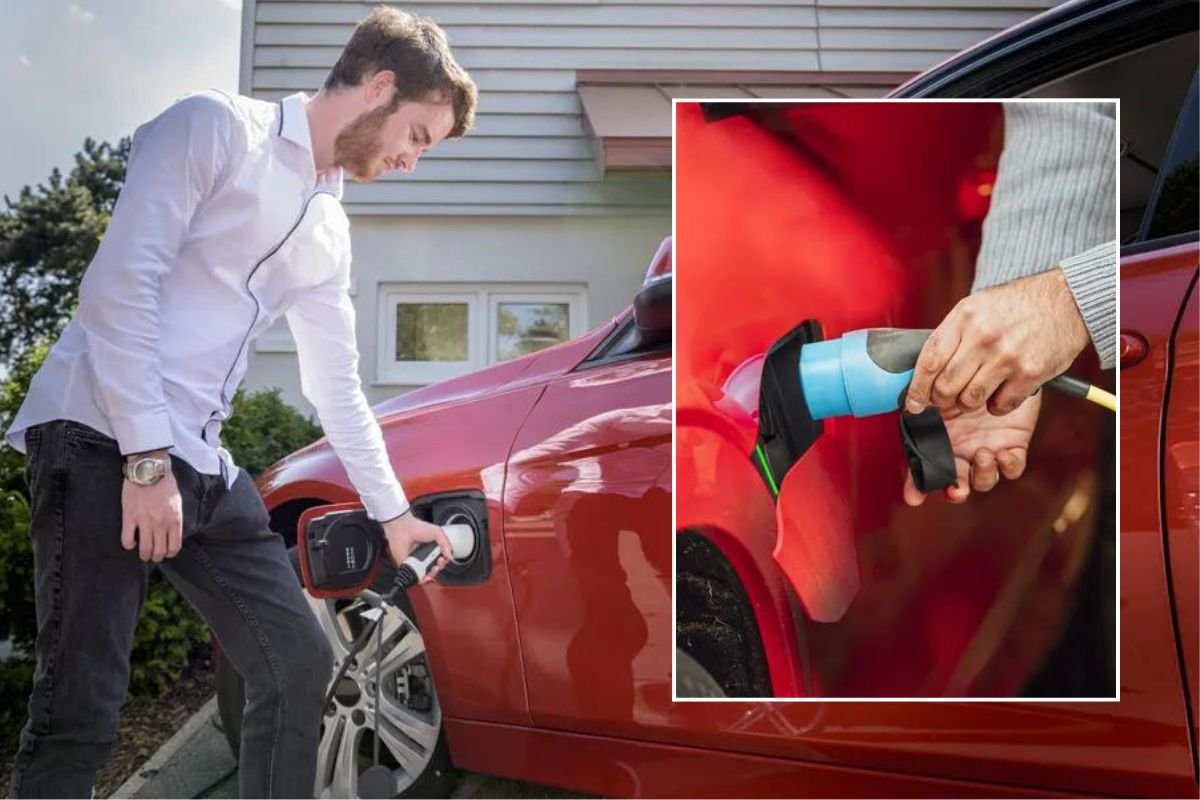
Electric car owners have been warned they risk paying up to £50 more a year to charge their vehicles after Ofgem confirmed another increase to the energy price cap.
The regulator revealed this week that electricity prices for households on standard variable tariffs will rise from 24.67p per kWh to 26.11p per kWh from July 1.
Ofgem warned that the higher prices were due to the ongoing conflict in the Middle East, which saw the price of oil skyrocket.
New research from What Car? found the increase could leave many EV owners paying significantly more to keep their cars on the road.
The biggest increase will impact the BMW iX3, which will cost drivers an extra £52 per year to charge at home, research shows.
Charging the popular SUV currently costs £26.82 for a full charge, but will rise to £28.38 under the new cap, while the Renault 5 will see annual charging costs rise by just over £22.
A spokesperson for Ofgem said: "This increase is a result of higher wholesale gas prices, caused by the ongoing conflict in the Middle East."
The regulator added that prices remain "below the height of the energy crisis in 2022", although it will hit households already struggling with rising bills.
What Car? said EV drivers across the UK could see yearly charging bills rise by between £20 and £50, depending on the model they drive.
The Tesla Model 3 is expected to cost around £33 more per year, while drivers of the Cupra Born and MG4 could both face increases of more than £32 annually.
According to What Car?, the calculations were based on the average EV driver travelling around 10,000 miles per year, the average battery sizes and assuming around 33 full charges annually.
While EV charging at home remains cheaper than filling up a petrol or diesel car, experts warned that the UK still has some of the highest electricity prices in Europe.
LATEST DEVELOPMENTS
- Sadiq Khan fails to reduce serious injuries on London's roads despite driving restrictions and fines
- British icon Mini unveils new petrol models despite push for electric cars
- Blue Badge parking crackdown sees drivers slapped with hefty fines and vehicles seized

What Car? has urged motorists to look at cheaper off-peak charging deals and smart tariffs to reduce the impact of the price hike.
Drivers can avoid the price hike by investing in specialist EV tariffs with lower overnight rates from the likes of Octopus Energy.
Motorists were advised to make use of workplace charging where possible and avoid relying on rapid public chargers unless necessary.
Ofgem stressed that the price cap only applies to households on default tariffs, as customers on fixed deals will not be affected by the July increase.
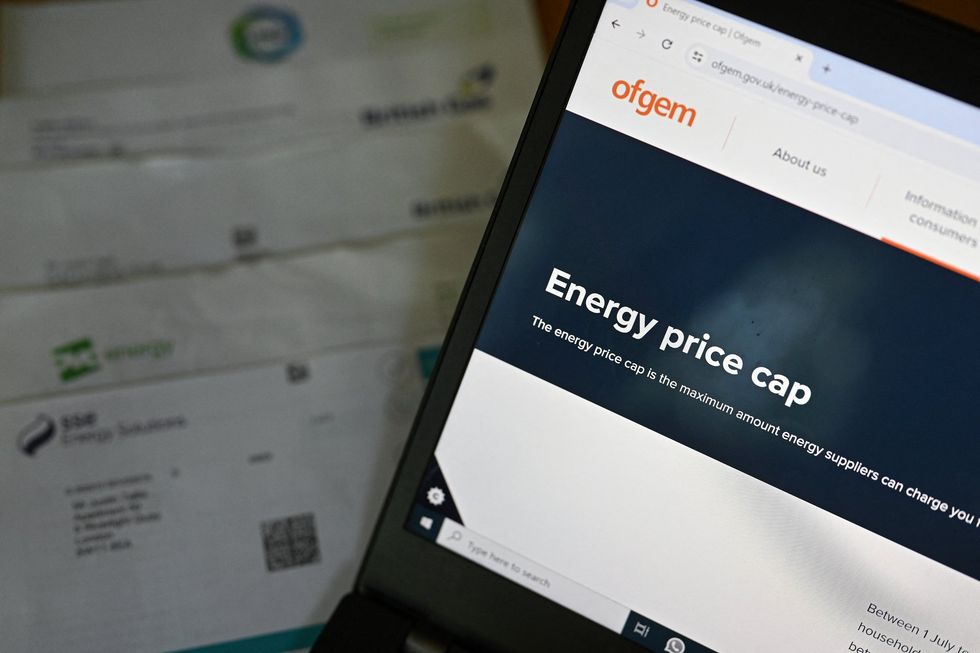
"You could pay less for your energy by changing your energy tariff or payment type," an Ofgem spokesperson shared.
The next review of the energy price cap is due in August, with new prices set to take effect from October, the energy regulator stated.
Gurjeet Grewal, CEO of Octopus Electric Vehicles, said: "Many electric cars are cheaper to lease than petrol, diesel or hybrid alternatives. And when you add lower charging and maintenance costs, the savings become even clearer.
"With petrol prices rising again, more drivers are looking for ways to cut costs and future-proof their finances. There's never been a better time to make the switch."
Our Standards: The GB News Editorial Charter