📱حمّل تطبيق خبر الآن!— تابع الأخبار لحظة بلحظة
App Store
...|🕐--:--
------
عاجل
⚡ عاجل: كريستيانو رونالدو يُتوّج كأفضل لاعب كرة قدم في العالم●⚡ أخبار عاجلة تتابعونها لحظة بلحظة على خبر●⚡ تابعوا آخر المستجدات والأحداث من حول العالم●
AI اقتراحات ذكية
AI مباشر|--مشاهد مباشر
1,080,664مقال401مصدر نشط228قناة مباشرة4,073خبر اليوم
آخر تحديث:منذ 4 ثواني
Eid travel: UAE doctors share how to prevent malaria as WHO approves first infant drug
•As families across the UAE begin planning getaways outside the country, for the upcoming Eid Al Adha holiday, health experts are sounding a timely warning: protect infants and young children from mosq...
•Follow KT on WhatsApp Channels.“For centuries, malaria has stolen children from their parents, and health, wealth and hope from communities," said Dr Tedros Adhanom Ghebreyesus, WHO Director-General.
•“But the story is changing.
هذا الخبر من Khaleej Times. خبر يقدم أدوات ذكاء اصطناعي للتلخيص والترجمة والاستماع.
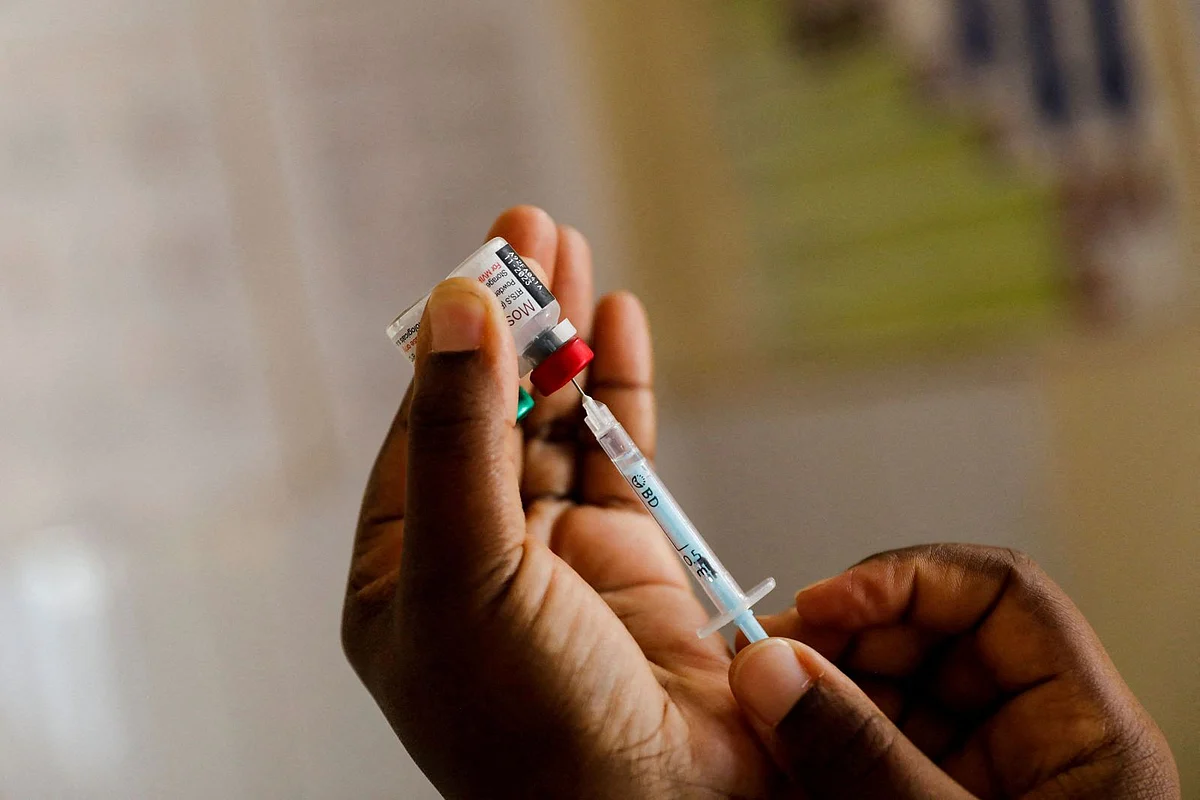
As families across the UAE begin planning getaways outside the country, for the upcoming Eid Al Adha holiday, health experts are sounding a timely warning: protect infants and young children from mosquito bites, especially when travelling to malaria-prone regions.
The advisory comes alongside a major global development — the World Health Organisation’s (WHO) approval of the first malaria medicine specifically designed for infants, marking a significant shift in how the disease can be treated in the most vulnerable age group.
On World Malaria Day that was observed on April 25, WHO announced the approval of a new combination drug tailored for newborns and small babies.
“For centuries, malaria has stolen children from their parents, and health, wealth and hope from communities," said Dr Tedros Adhanom Ghebreyesus, WHO Director-General. “But the story is changing. New vaccines, diagnostic tests, next-generation mosquito nets and effective medicines, including those adapted for the youngest, are helping to turn the tide.”
The organisation reiterated that the move reflects growing progress in prevention and treatment tools, especially for young children who have historically had limited medical options.
'Use mosquito net and insect repellents'
UAE paediatricians said the timing is critical, with many families expected to travel during the Eid break. “First, avoid travel to countries endemic with malaria, especially for newborns and infants, as a primary prophylaxis measure. Also, avoid exposure to mosquitoes and insects. Use mosquito net and insect repellents," said Dr Hany Alrefaey Alhendawy, Specialist Pediatrics, Burjeel Medical City.
He added that prevention should begin well before departure, including medical consultation for possible prophylactic medication (anti-malarial drugs).
New infant drug seen as a 'game changer'
Doctors also said the WHO’s approval of ‘artemether-lumefantrine’ could close a long-standing treatment gap for babies weighing under 5kg.
Dr Mamata Bothra, specialist pediatrics and neonatologist, International Modern Hospital Dubai said, “The approval of the first malaria medicine specifically formulated for infants is a very important development in child healthcare.”
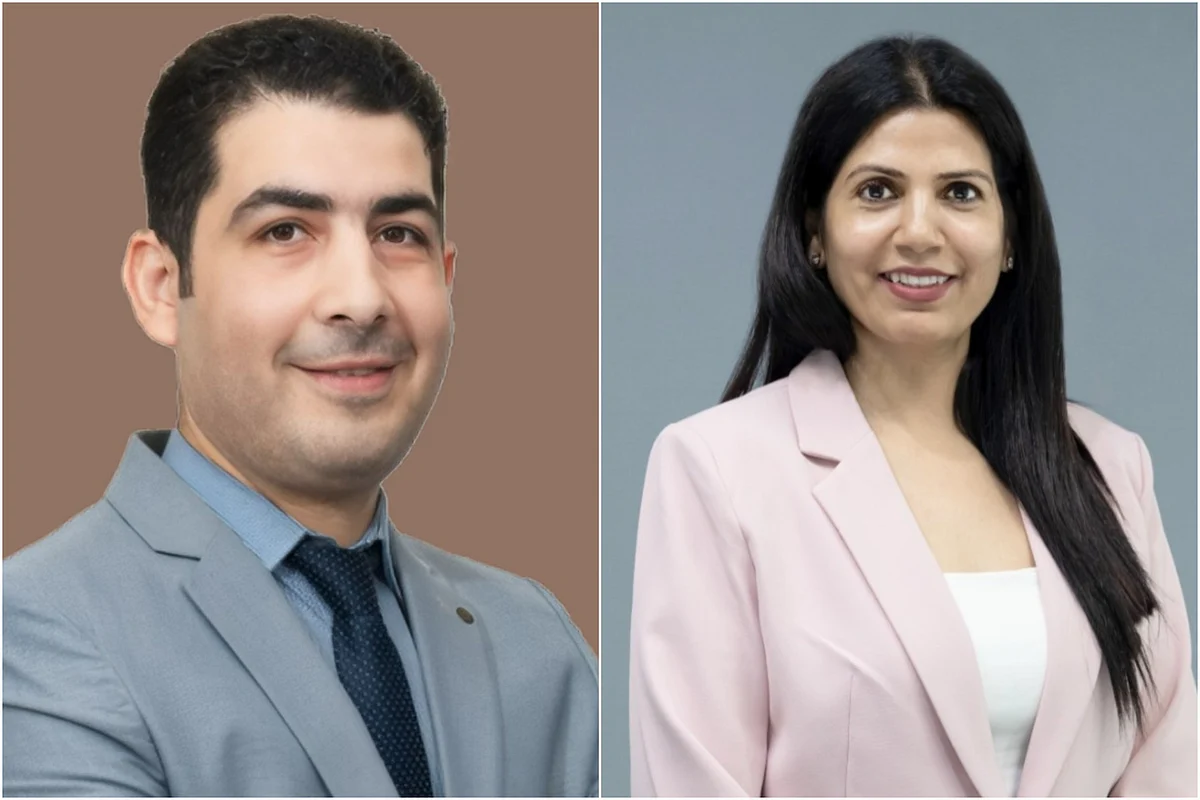
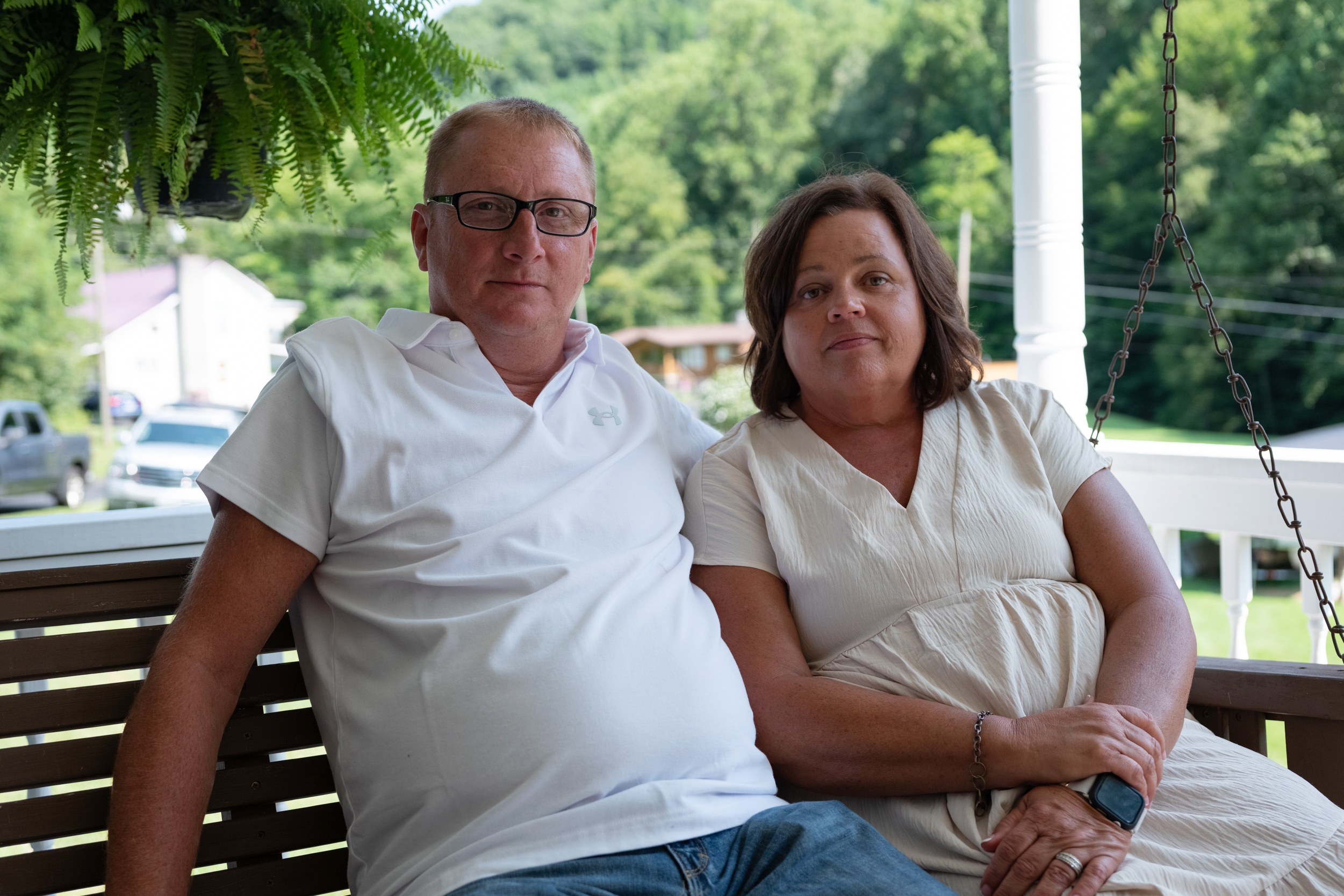
Dr Hany Alrefaey Alhendawy and Dr Mamata Bothra
She explained babies in the first weeks and months of life are among the most vulnerable patients, yet treatment options specifically designed for them had been limited so far.
Travel caution urged for families
Until now, doctors often had to rely on adapted dosing from medicines created for older children. “Having an infant-specific treatment improves dosing accuracy, safety, and access to appropriate care for newborns and very young babies affected by malaria," Bothra said.
“With Eid holidays approaching, travel health awareness is especially important for families travelling with children to tropical countries where malaria is common. Parents planning travel should consult a pediatrician or family doctor before departure, ideally several weeks in advance. This allows time to assess destination risks, discuss preventive medication if needed, and ensure the child’s routine vaccinations and travel health needs are up to date,” she added.
Common complications of malaria
Healthcare professionals stressed that malaria prevention for babies and children includes using age-appropriate mosquito repellents on medical advice, dressing them in long, light clothing, and staying in air-conditioned or well-screened accommodation.
They also recommend mosquito nets over cots or beds and avoiding outdoor exposure during dusk and dawn, when mosquitoes are most active.
Alhendawy said, “The most common complications of malaria include severe hemolytic anemia, which in serious cases can progress to shock and heart failure. Cerebral malaria may also occur, leading to convulsions and coma, and is associated with high mortality.”
He underlined that survivors may even face long-term effects such as neurodevelopmental delay and seizures.
“Other risks include hypoglycemia, which may arise either from the infection or its treatment. In neonates and infants specifically, complications can include hemolytic jaundice, poor feeding and failure to thrive, while severe cases may result in hepatic and renal failure and can be fatal. Mortality from malaria is more than 75 per cent in newborns and infants” he added.
ملاحظة تحريرية | Editorial Note:
نُشر هذا المقال في الأصل بواسطة Khaleej Times.
خبر (Khabr) هي منصة إعلامية أردنية مرخّصة تعمل بالذكاء الاصطناعي.
نضيف قيمة تحريرية من خلال: تحليل ذكي للأخبار، ملخصات تلقائية، رواية صوتية بالذكاء الاصطناعي، ترجمة متعددة اللغات، وتدقيق الحقائق.
هدفنا جعل الأخبار أكثر وضوحاً وسهولةً للقارئ العربي.
This article was originally published by Khaleej Times.
Khabr is a licensed Jordanian AI-powered news platform (Registration #82086).
We add editorial value through: AI-powered news analysis, automated summaries, AI audio narration, multi-language translation (Arabic, English, French, Turkish), and AI fact-checking.
Our mission is to make news more accessible and understandable for Arabic-speaking audiences worldwide.
هذا الخبر ضمن تغطية خبر لقسم صحة.
نقدّم لك تحليلات ذكية وملخصات يومية لأهم الأخبار من مصادر موثوقة متعددة.
المصدر: Khaleej Times.
يوجد 6 مقالات مرتبطة بهذا الموضوع.
This article is part of Khabr's coverage of Health.
We provide AI-powered analysis, summaries, and multi-source aggregation to keep you informed.
Source: Khaleej Times.
Tags: Eid, malaria, WHO, infant drug.
🍪 نستخدم ملفات تعريف الارتباط لتحسين تجربتك وعرض الإعلانات المخصصة. باستخدامك للموقع، فإنك توافق على سياسة ملفات تعريف الارتباط وسياسة الخصوصية.
We use cookies to enhance your experience and show personalized ads. By using this site, you agree to our Cookie Policy and Privacy Policy.
🔍
FREEFree 1GB Internet + Free International Calls
$1 trial — eSIM in 190+ countries — No roaming charges