
Eco-activists have said Britons should think twice about traditional roast dinners - because they may be toxic.
Greenpeace says a total of 102 different pesticides were logged for use on onions, leeks, potatoes, parsnips, peas, swede, turnips, and strawberries between 2023 and 2024.
The data showed 43 different pesticides were used on onions and leeks over the testing year, and 42 on strawberries.
This was followed by 20 used on carrots and parsnips, 31 on field potatoes, 29 on peas, 20 on swede and turnips, and five on stored potatoes.
Greenpeace said seven of the 102 pesticides have been banned in the EU due to health impacts.
Nina Schrank, senior campaigner at Greenpeace UK, said: "A Sunday roast and strawberries might feel like one of the most natural and traditionally British meals imaginable, but behind the scenes they’re produced using an astonishing cocktail of pesticides.
"Our countryside is being drenched in pesticides, with devastating consequences for bees, birds, butterflies, rivers and the soil.
"Fields that once hummed with wildlife are falling silent while agrochemical giants rake in enormous profits, and farmers are trapped in a costly cycle of chemical dependency. That doesn’t strengthen food security – it makes it more fragile."
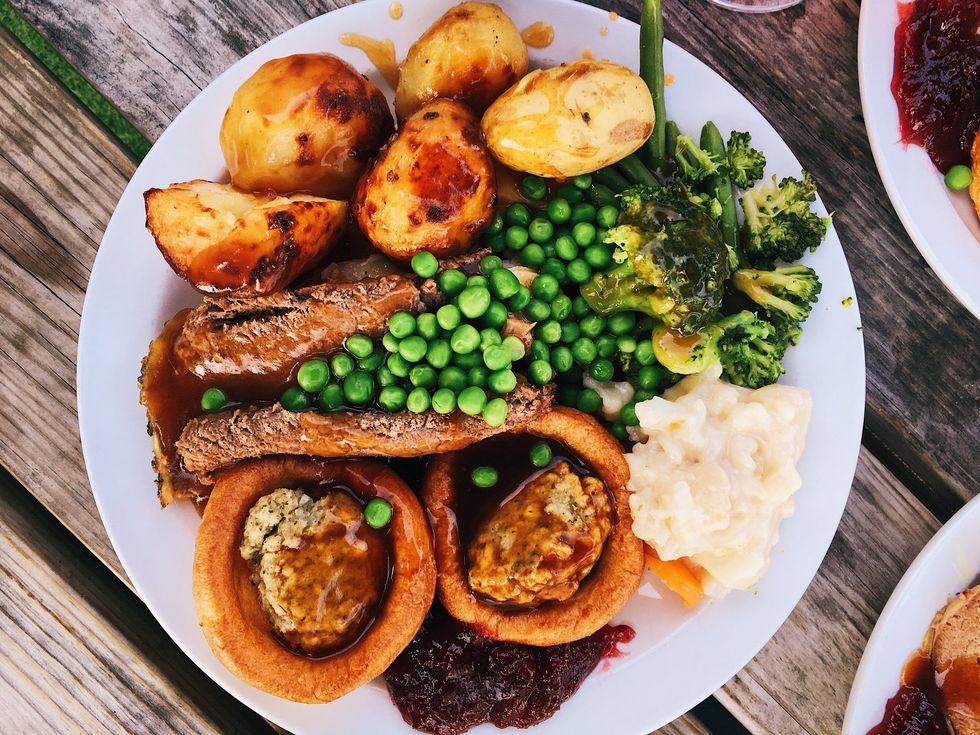
Most samples contained pesticide residue below the maximum residue level (MRL), which is the amount legally allowed on food or in animal feed.
Greenpeace has now called on the Government to commit to halving the use of pesticides to deliver on nature restoration and food security.
The global campaigning network said ministers should aim for an 80 per cent reduction on pesticides by 2040 and deliver the necessary funding to support farmers so they can reduce their reliance on chemical inputs.
The Government has already pledged to reduce pesticide use by 10 per cent by 2030 and official figures show the total weight of pesticides in the UK on arable crops decreased by 25 per cent between 2018 and 2024.
READ MORE ON THE ENVIRONMENT:
- 'Green bridge' costing taxpayers £3.7m will help snakes and toads cross busy A-road from next month
- Farmers fear for livestock as Britain's largest bird of prey to be released in Exmoor
- Ed Miliband staring down Labour rebellion on North Sea oil as energy prices soar
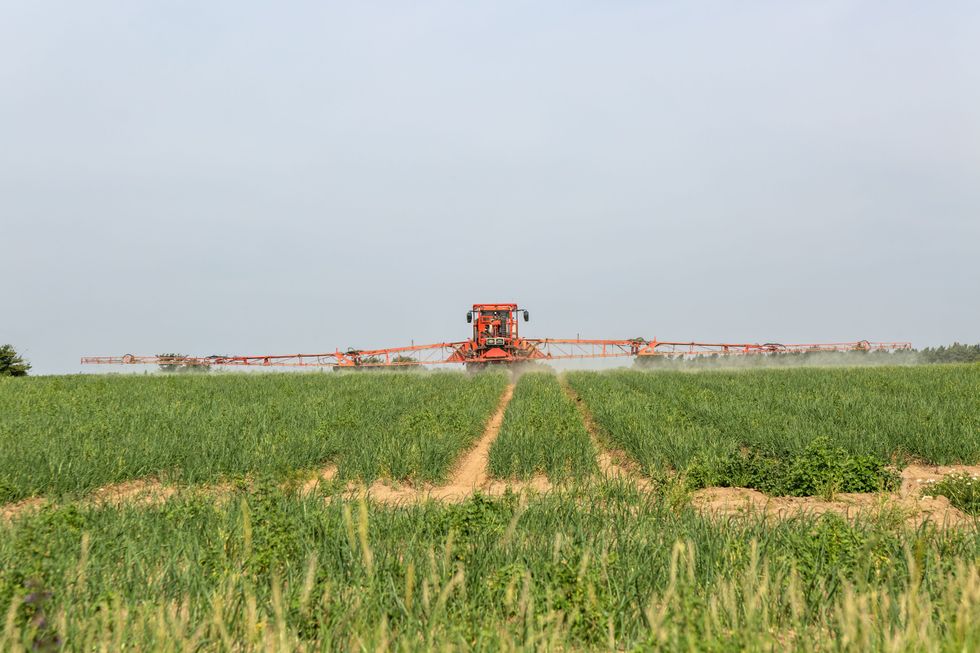
Crops were doused multiple times across the growing season, with some vegetables sprayed dozens of times, the analysis said.
While its pledge for "dynamic alignment" with the EU could bring Britain in line with the bloc on pesticides going into the future.
But officials have said the levels of pesticide are considered safe, applying to food both grown domestically and imported from abroad.
Campaigners claim the MRLs do not consider other potential sources of toxins found in pesticides to which people may be exposed, such as drinking water, plastic packaging, and a range of household products.
Greenpeace has argued the use of pesticides and fertiliser has put public health and British wildlife at risk.
Martin Lines, the chief executive of the Nature Friendly Farming Network (NFFN), said: "Many people will doubtless be shocked to learn how extensive pesticide use is within our conventional farming system, but it doesn’t have to be this way."
He added that many farmers have been locked into dependence on pesticides because of Government policy and supply chain pressures.
The Government needs to take pressure off farmers to "produce more and more food from their land" and allow them to "deliver food, nature protection and climate mitigation", Mr Lines said.
A Defra spokesman said: "We place strict limits on pesticide residue levels in food, which are set after rigorous risk assessments to make sure levels are safe for consumers.
"These limits apply to both food produced domestically and imported from other countries.
"Our UK National Action Plan, published last year, sets out how we will support farmers, growers and other land managers to increase their use of sustainable practices to reduce potential harm from pesticides, while controlling pests and pesticide resistance effectively and protecting food security."
Our Standards: The GB News Editorial Charter