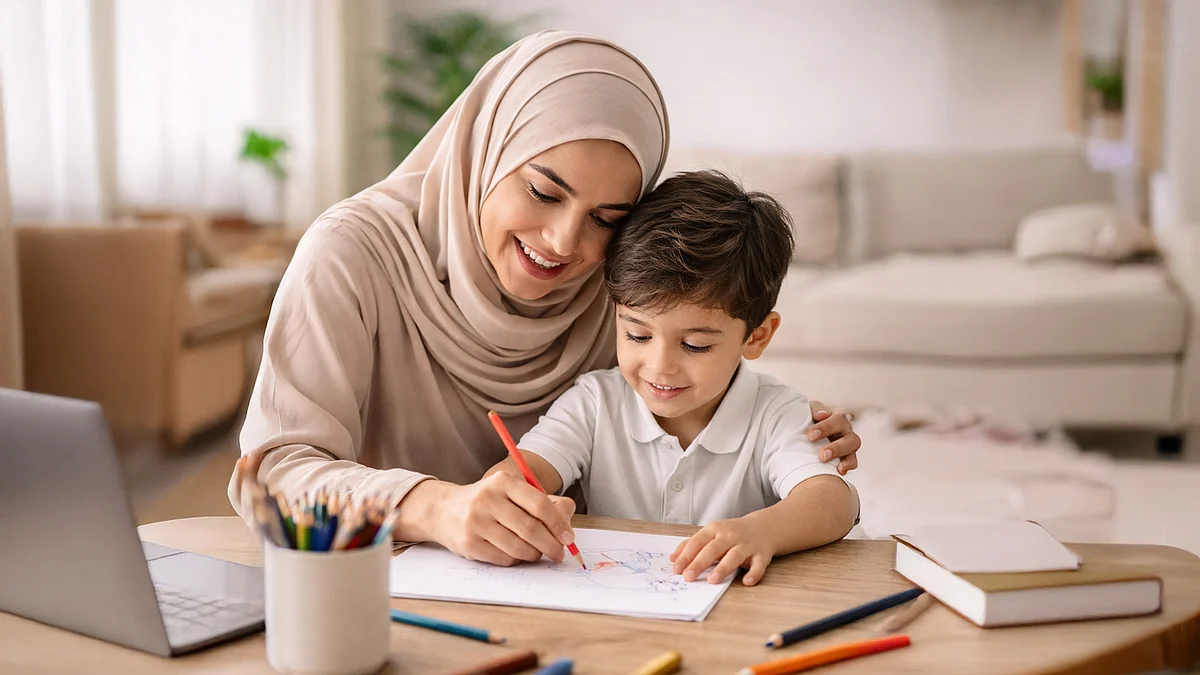
Parents are not expected to act as teachers during distance learning, Dubai’s Knowledge and Human Development Authority (KHDA) has said in a new guide, stressing that schools remain responsible for teaching, planning and delivering lessons, monitoring progress, and supporting students.
In a new parent guide to support distance learning in Dubai, the education regulator positions families as enablers at home, helping children stay connected, follow routines and remain engaged, while keeping expectations realistic and manageable.
The guide also stresses the importance of clear communication between home and school, and offers practical steps parents can take to minimise confusion, address issues early, and ensure children receive the support they need.
Parents' role explained
KHDA’s guide is essentially telling parents this: support the process, but do not try to become the school. Parents are expected to help children access learning, stay on track and feel supported at home.
1. What matters most
The guide says families should focus on five priorities:
Staying connected to school: Help your child keep up with the school’s timetable, messages, and learning activities.
Supporting participation: Encourage your child to join lessons, complete assigned work, and stay engaged as much as possible.
Maintaining routine: Keep the day manageable and predictable, allowing time for learning, breaks, meals, movement, and rest.
Protecting wellbeing: Pay attention to your child’s mood, energy, stress, and motivation, not only their work completion.
Communicating early: Let the school know promptly if there are any challenges, concerns, or changes affecting your child’s learning.
2. Parents should communicate early
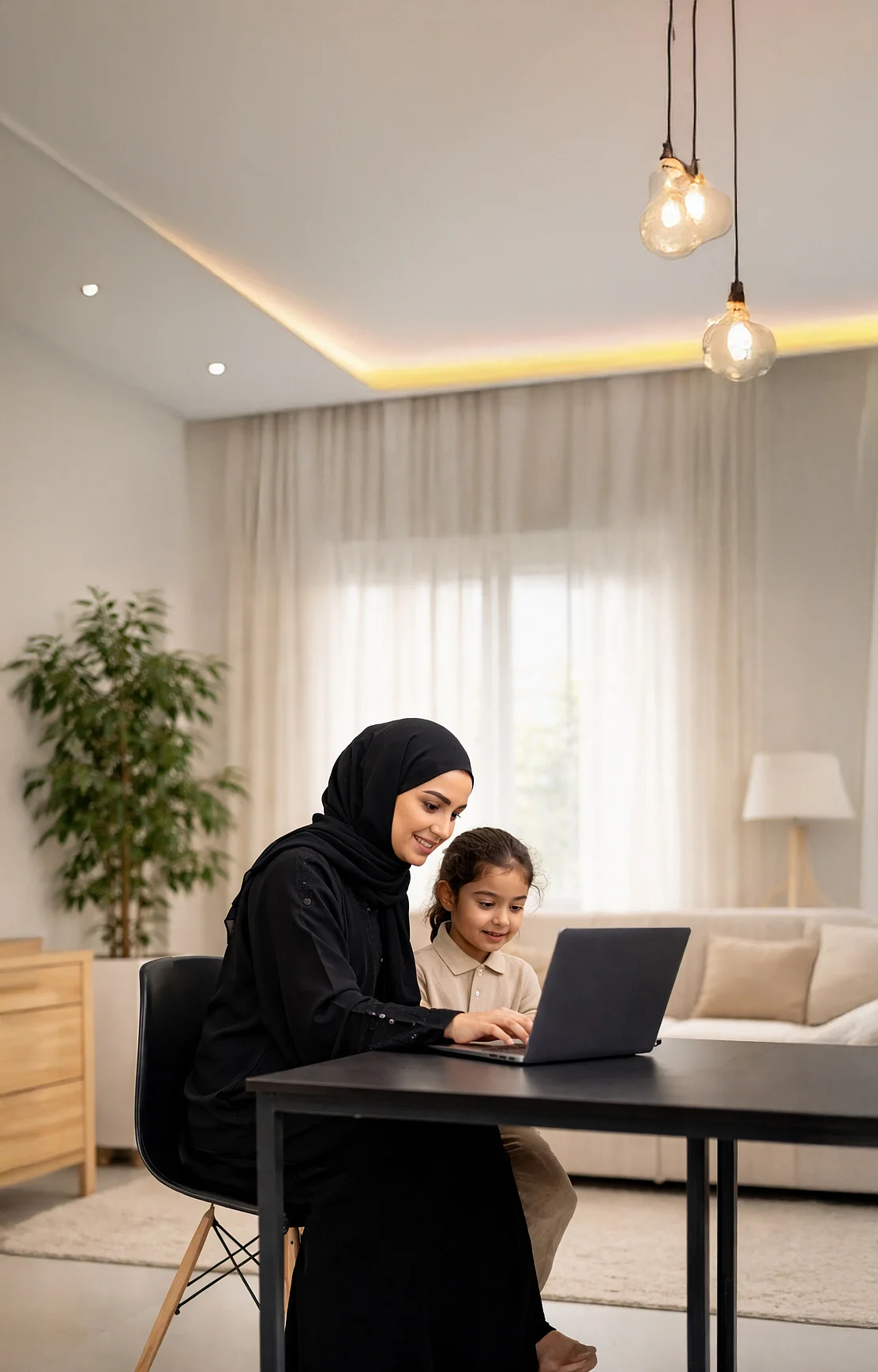
KHDA places heavy emphasis on communication between home and school. Parents are advised to flag absences, disruptions, travel, distress, connectivity problems, time-zone differences, or any other barrier to learning early, rather than waiting for problems to escalate.
3. Supporting learning is not the same as teaching
The guide says parents can help by making sure devices work, children can log in, materials are organised, and there is a suitable place to learn. They should encourage attendance and effort, but not replace the teacher. It also notes that if a public safety alarm sounds, safety comes first and learning should continue only where appropriate.
4. If time, devices or adult support are limited, do not chase perfection
One of the more practical sections deals with homes where there are multiple children, shared devices, limited internet, working parents, or general pressure. KHDA says families should prioritise what is most essential, identify which child needs the most direct support, aim for a manageable routine rather than perfect supervision, and tell the school early if access is limited.
5. Assessments still matter, but pressure should not dominate
The guide says parents should stay updated on any changes to exams, assessments, and deadlines, and help children track them. But it also says families should focus on effort, understanding, and improvement rather than marks alone, and contact the school if workload becomes overwhelming.
6. Privacy, cameras and online safety are part of the picture
KHDA also addresses camera use and online conduct. Parents are advised to:
Follow school guidance
Protect children’s personal information
Avoid sharing passwords or recordings unless clearly required
Flag privacy concerns or inappropriate behaviour early.
For younger children, it recommends keeping devices in communal spaces where possible and staying nearby during sessions.
7. Younger children need more hands-on support
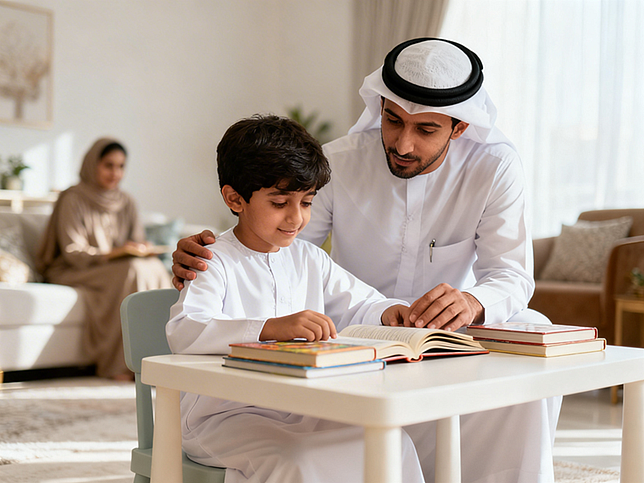
For early years and lower primary pupils, KHDA says parents will likely need to do more practical hand-holding. That includes preparing devices or activity packs, helping them log in, guiding them through short activities, and building in breaks, movement, and reassurance. Offline activities such as reading, storytelling, drawing, counting, singing, and play-based learning are also encouraged.
8. Older children still need structure
For upper primary and lower secondary students, the guide says parents should go beyond asking whether a child logged in. They should check whether the child understood the lesson, joined in, and completed the task. For secondary and senior students, KHDA recommends helping them organise their week with planners or checklists, watching for signs of stress, and stepping in early if workload or anxiety starts building.
9. Vulnerable learners may need different arrangements
The guide says some children may need more tailored support, including students of determination, younger children, and those dealing with anxiety, family stress, or access barriers. Parents are encouraged to speak with the school, and where relevant the Head of Inclusion, about alternative arrangements, therapy support, shorter tasks, extra breaks, or a different pace of learning.
10. Screen time should be balanced
The guide acknowledges that distance learning often means more screen time, especially for younger children. It recommends balancing online lessons with breaks, movement, rest, and offline activities, and tells parents to speak to schools if screen-based learning is causing fatigue, headaches, or reduced engagement.
11. Wellbeing is a core part of the guidance
KHDA warns that stress may show up as tiredness, frustration, withdrawal, resistance to learning, or changes in behaviour. Parents are encouraged to check in regularly, keep routines calm and predictable, reassure children when learning feels difficult, and seek support early if a child becomes distressed or disengaged.