[Editor's Note: Follow the Khaleej Times live blog for the latest regional developments with the US-Israel-Iran ceasefire now in effect.]
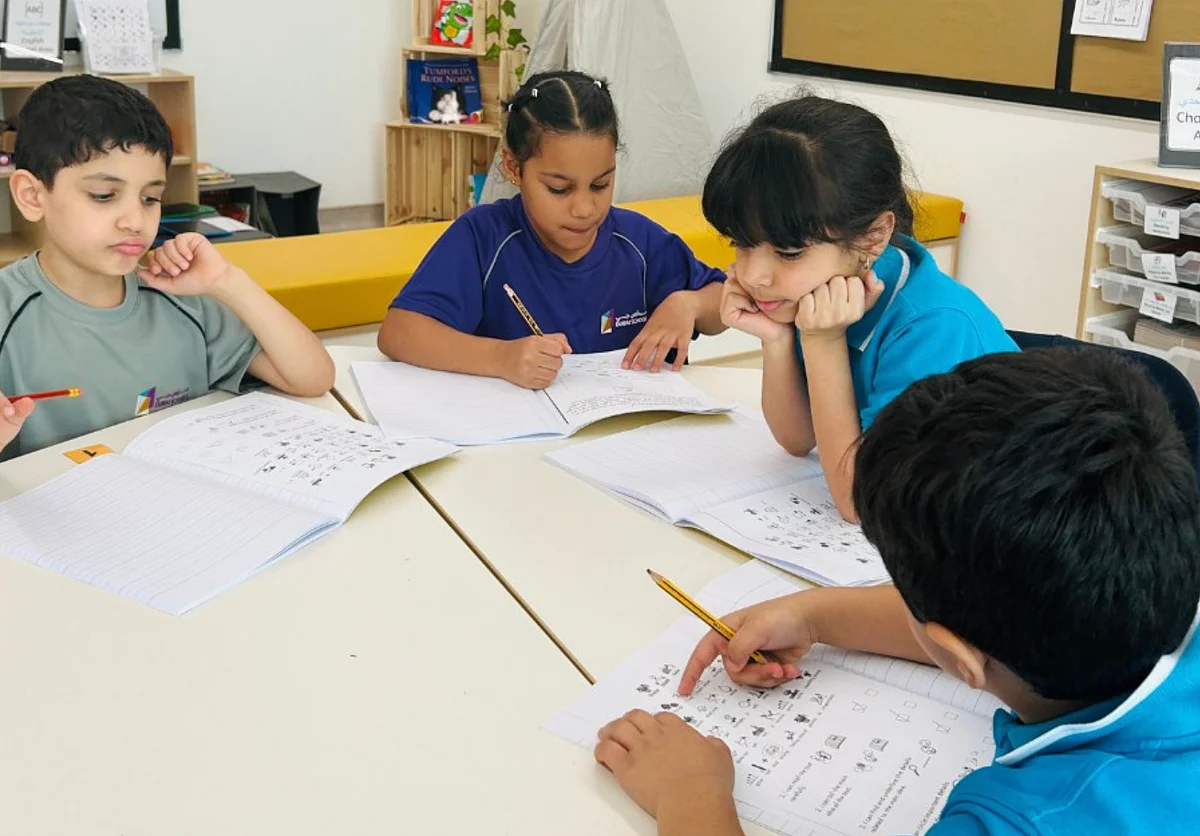
Dubai students returning to schools from April 20 should be prepared to take part in age-appropriate safety awareness drills and sessions organised by their schools in the first week.
Many students across the UAE will resume in-person classes from April 20, marking a cautious but significant shift back to campuses after over one-and-and-a-half months of distance learning, due to the tensions in the region, linked to the US-Israel-Iran conflict.
The move to onsite classes comes as authorities stress a phased, tightly managed reopening, with safety, wellbeing, and operational readiness at the forefront.
Stay up to date with the latest news. Follow KT on WhatsApp Channels.
For many families, the return brings a mix of relief and uncertainty, as schools navigate new protocols and temporary measures such as suspended transport services.
Preparedness remains central to the strategy — not only in terms of facilities, but also in supporting students as they readjust to classroom routines.
Safety drills and wellbeing take centre stage
Schools have been directed to prioritise safety awareness and emotional wellbeing as part of the transition back to campus life.
Highlighting this, Dr Wafi Dawood, CEO of the Strategic Development Sector at KHDA, said in an exclusive interview with Khaleej Times that students should be prepared for structured activities designed to build awareness and confidence.
“In the first week, schools will also deliver age-appropriate safety awareness drills and sessions, and there is a strong focus on student and staff wellbeing. KHDA will continue to issue guidance as the situation evolves, communicated directly to institutions through official channels," he said.
The education regulator emphasized, "All schools, early childhood centres, and higher education institutions must meet a full set of mandatory requirements before receiving approval to reopen — including safe zone designation, emergency plan approval, facility sign-off, and training for all staff to ensure they are familiar with procedures.
"No institution may resume on-site learning without KHDA approval. Some institutions will also be inspected before reopening, and monitoring will continue after schools are back on-site through ongoing field inspections.”
The education regulator also underlined that the resumption of on-site learning is a UAE-wide decision, taken in close coordination with government entities and relevant authorities, “following careful, continuous monitoring of the situation.”
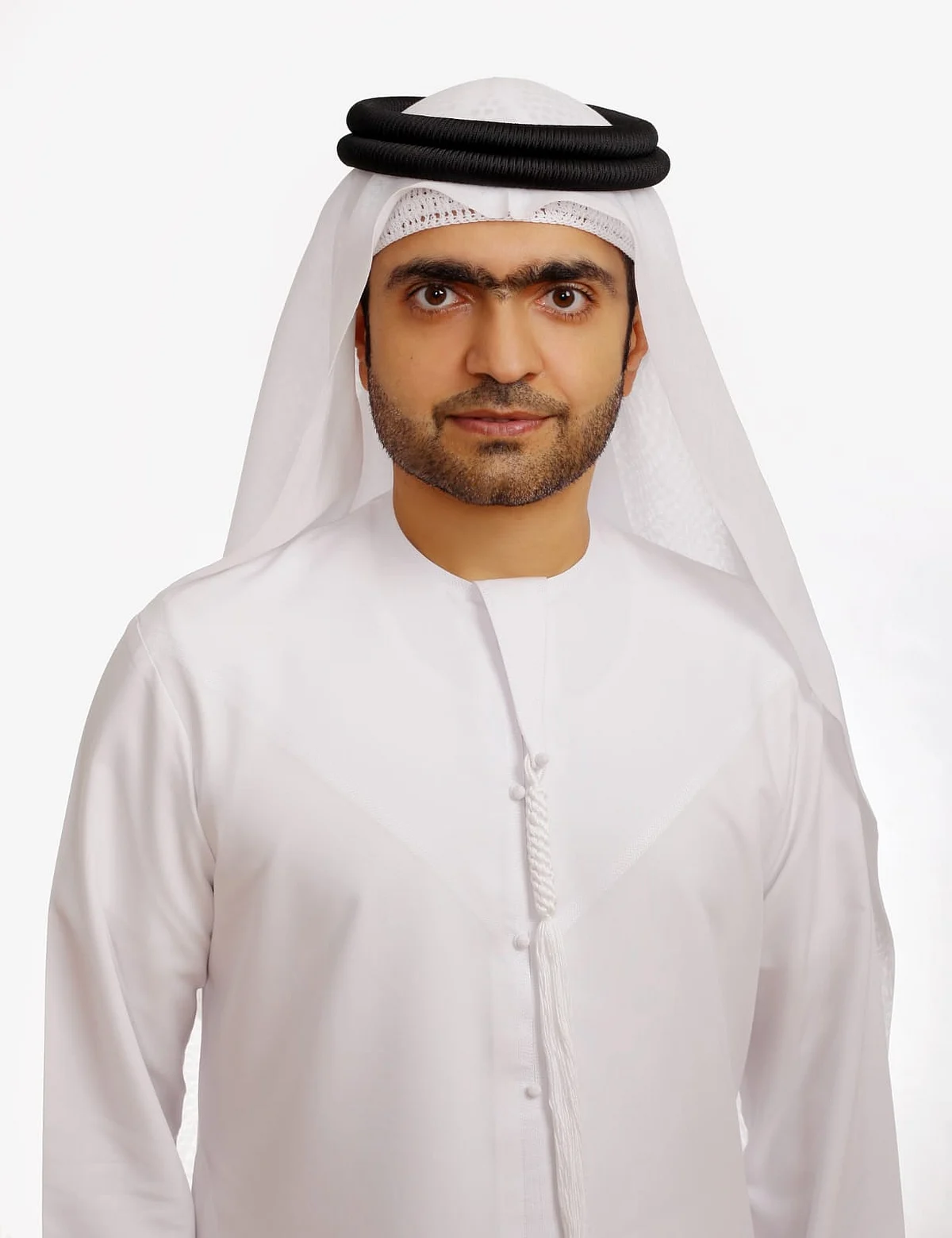
Dr Wafi Dawood, CEO of the Strategic Development Sector at KHDA,
Phased return, flexible learning options
Authorities have made it clear that the return to classrooms will not happen all at once, but in stages, depending on each institution's readiness and approval status.
Dr Dawood pointed out that extensive groundwork has been carried out in recent weeks, giving regulators the confidence to proceed with reopening.
“Over the past weeks, KHDA worked directly with schools, ECCs, and higher education institutions through consultations, surveys, and direct engagement to assess their readiness to resume on-site learning. That thorough preparation process gave us the confidence to proceed with a phased, well-managed return. Most importantly, every decision is guided by one priority — the safety and security of students, staff, and families.
“The return is deliberately phased — institutions reopen as they receive approval after completing all requirements, starting from April 20. Schools have the flexibility to combine on-site and distance learning and must ensure these options are available to all students, based on their needs.”
The education regulator emphasized that institutions must also clearly communicate these arrangements to families.
“To protect the quality of learning in both environments, no teacher will be expected to deliver in-person and online classes simultaneously. This also helps support teachers’ wellbeing and ensures their workload remains manageable,” added Dawood.
Transport on hold, flexibility around arrival and dismissal
While classrooms reopen, some routines will take longer to return. School transport services, for instance, remain temporarily suspended, requiring families to make alternative arrangements.
“School transport has been suspended to allow time to complete all operational arrangements in coordination with the relevant government entities, including transport authorities and municipalities, to ensure service readiness in accordance with the highest safety standards. This is being reviewed weekly, and updates will be communicated through official channels. In the meantime, schools are applying maximum flexibility around arrival and dismissal arrangements and will work closely with families that need additional support," he said.
Despite the challenges, authorities highlighted the resilience shown across the UAE’s education sector. Over recent weeks, schools, families, and students have adapted quickly to changing circumstances — a flexibility that continues to underpin reopening plans.
“All institutions are prepared to adapt as needed. If conditions change, a transition back to distance learning would be coordinated at the UAE level in collaboration with all relevant authorities — ensuring safety and continuity at every step. Our education system has demonstrated remarkable agility, proving that quality learning can continue without interruption, regardless of the mode of delivery,” added Dawood.