Dubai gold prices drop amid war tensions, rising oil costs
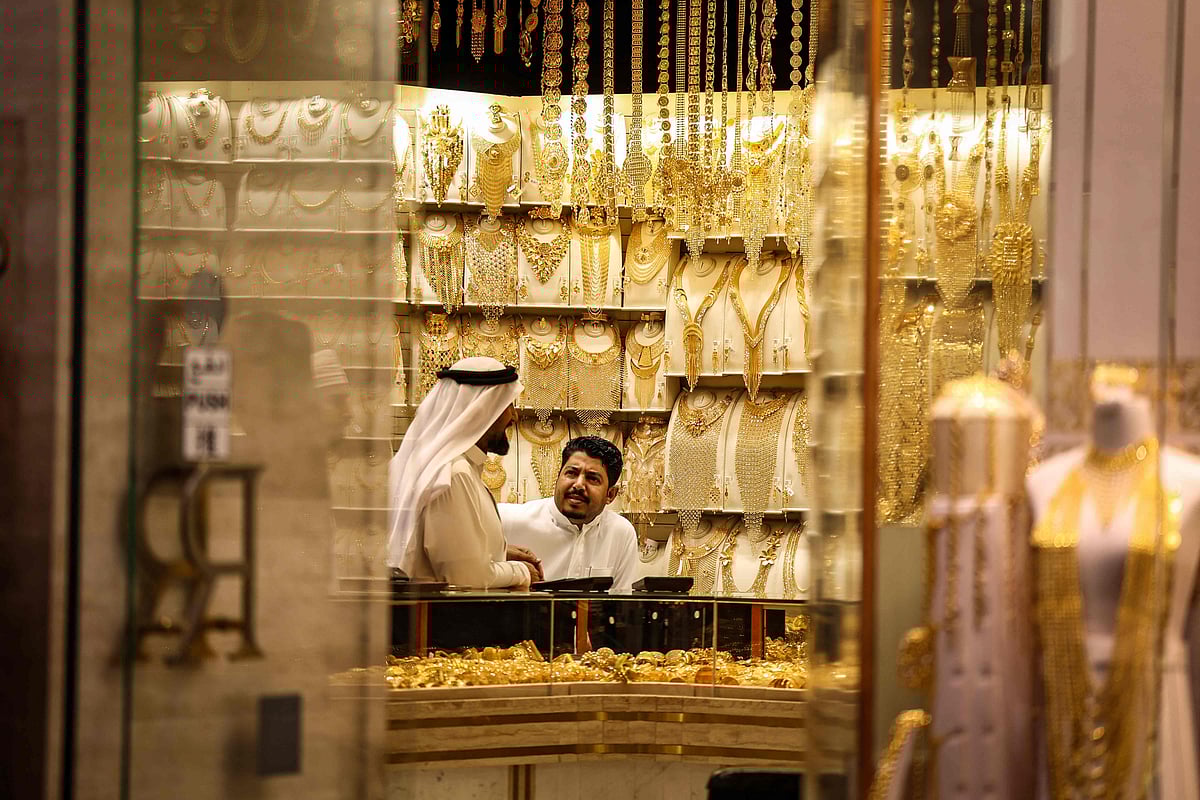
المصدر: Gulf News | Source: Gulf NewsDubai: Gold prices in Dubai fell on Friday, tracking a broader global decline as the ongoing US-Israel war on Iran and a surge in oil prices continued to weigh on investor sentiment.
Sign up for our daily business newsletter, Cheques & Balances.In morning trade, 24-carat gold dropped to Dh563.25 per gram, down from Dh565.75 the previous session — a decline of Dh2.50. The 22-carat variant also eased to Dh521.50 from Dh524.00, reflecting softer demand and cautious market positioning.
Get updated faster and for FREE: Download the Gulf News app now - simply click here.The drop extends losses from Thursday, when Dubai gold prices had already slipped amid weaker global cues. At the time, markets were reacting to stalled US-Iran negotiations and elevated crude prices, which raised fears of persistent inflation and “higher-for-longer” interest rates — a key headwind for non-yielding assets like gold.
(Check latest UAE gold prices , alongside prices in , , , , , and .)
Saudi Arabia, India trends
In Saudi Arabia, gold prices remained flat, suggesting a pause in trading momentum.
24-carat gold held at 598.00 SAR, while 22-carat stayed unchanged at 550.00 SAR.India, however, saw a steeper correction in line with global weakness.
24-carat gold fell to ₹152,950 per 10 grams from ₹154,360, while 22-carat dropped to ₹140,200 from ₹141,500.The sharper fall highlights how international price pressures and currency movements are feeding into retail markets.
Global markets
Internationally, gold prices extended losses for a third straight session, with spot gold at $4,679.41, down $26.76 or 0.57 per cent. The metal is also heading for a weekly decline after a four-week rally.
Samer Hasn, Senior Market Analyst at XS.com, said gold’s weakness comes despite heightened geopolitical tensions. “Gold declines for the third day in a row while still holding just above $4,700 per ounce,” he said, noting that the collapse of ceasefire momentum and renewed disruptions to oil supply are reshaping market dynamics.
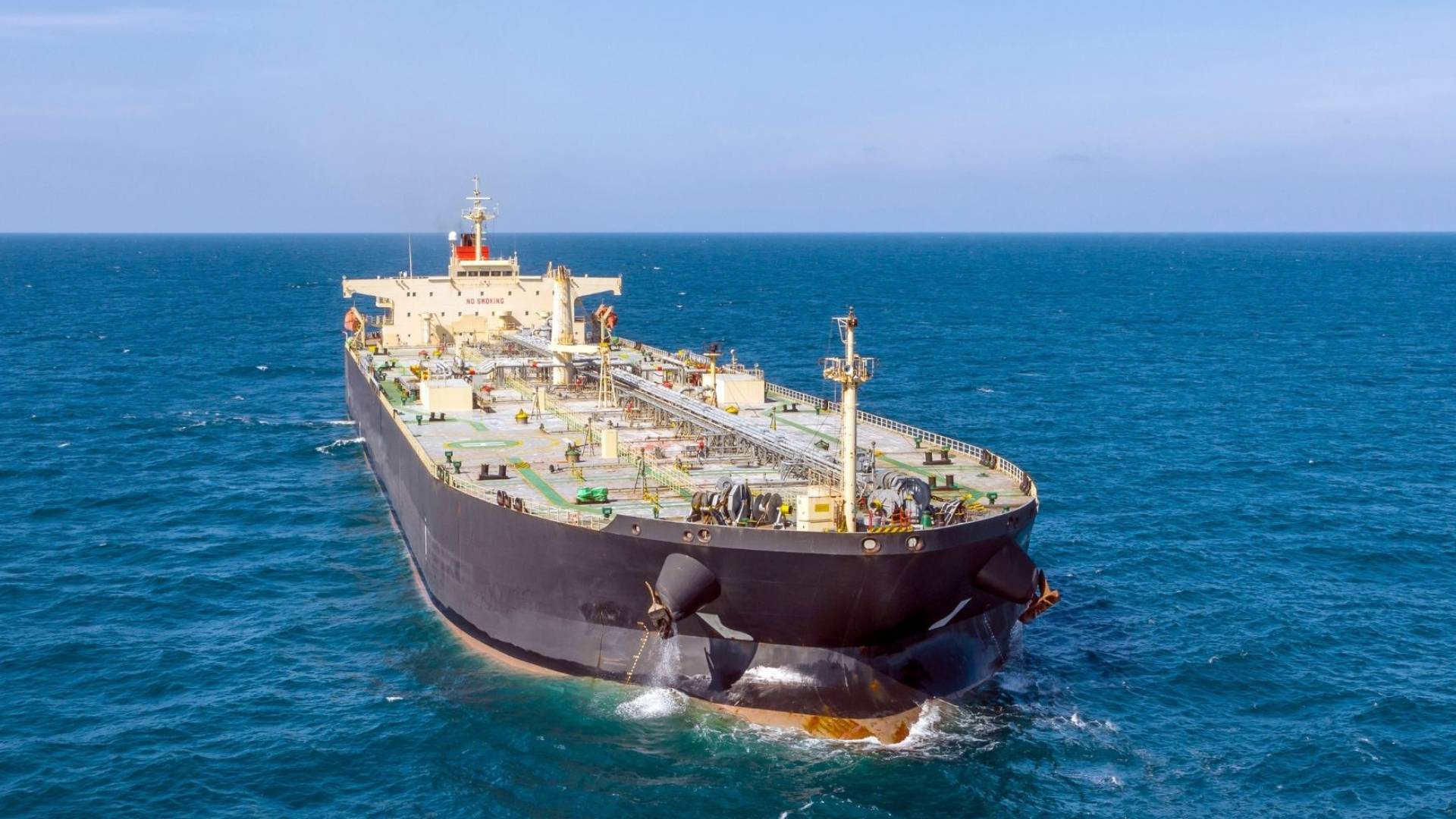
Brent crude prices have surged past $100 per barrel amid continued strain around the Strait of Hormuz, fuelling inflation fears and reinforcing expectations that interest rates could stay elevated for longer. This has reduced gold’s appeal, as higher yields increase the opportunity cost of holding the metal.
At the same time, renewed outflows from major gold exchange-traded funds signal waning institutional demand, even as geopolitical risks persist.
For now, gold remains caught between competing forces — safe-haven demand from geopolitical uncertainty and sustained pressure from high interest rates — leaving prices vulnerable in the near term.
ملاحظة تحريرية | Editorial Note: نُشر هذا المقال في الأصل بواسطة Gulf News. خبر (Khabr) هي منصة إعلامية أردنية مرخّصة تعمل بالذكاء الاصطناعي. نضيف قيمة تحريرية من خلال: تحليل ذكي للأخبار، ملخصات تلقائية، رواية صوتية بالذكاء الاصطناعي، ترجمة متعددة اللغات، وتدقيق الحقائق. هدفنا جعل الأخبار أكثر وضوحاً وسهولةً للقارئ العربي.
This article was originally published by Gulf News. Khabr is a licensed Jordanian AI-powered news platform (Registration #82086). We add editorial value through: AI-powered news analysis, automated summaries, AI audio narration, multi-language translation (Arabic, English, French, Turkish), and AI fact-checking. Our mission is to make news more accessible and understandable for Arabic-speaking audiences worldwide.