Drivers of large vehicles prompt major 'public health crisis' impacting parking choices
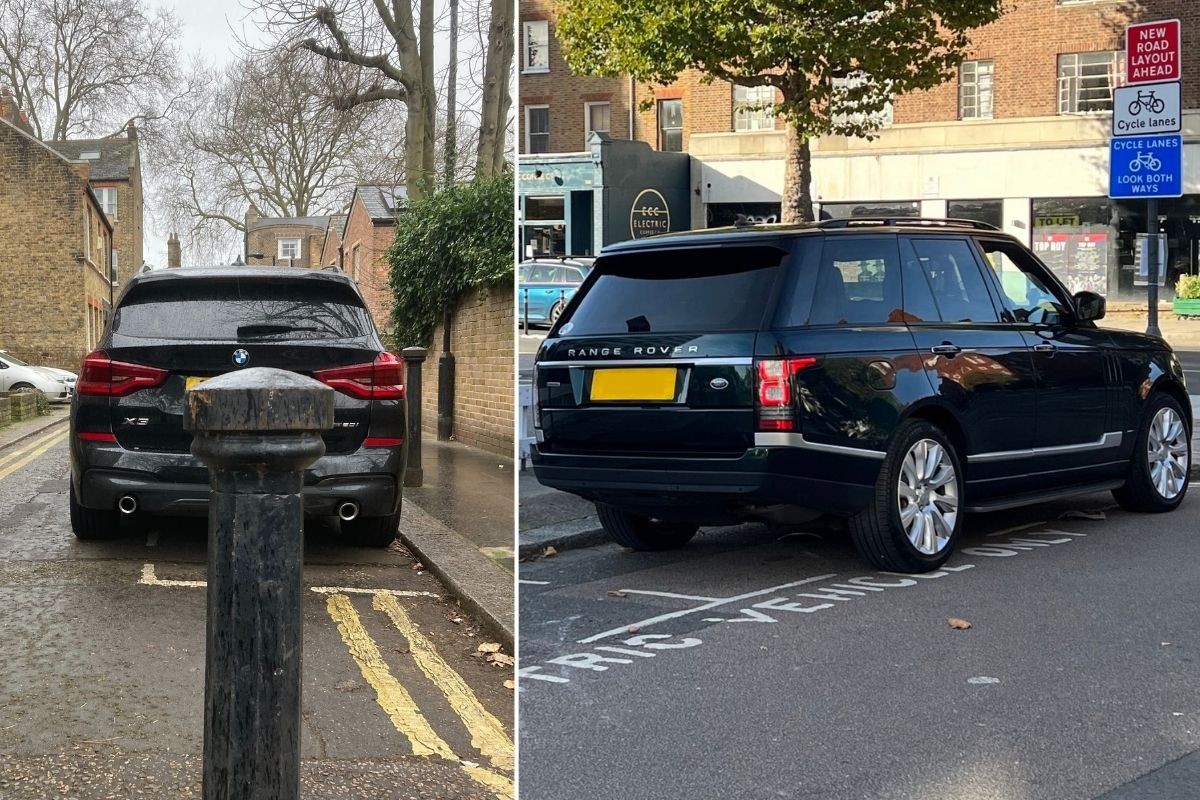
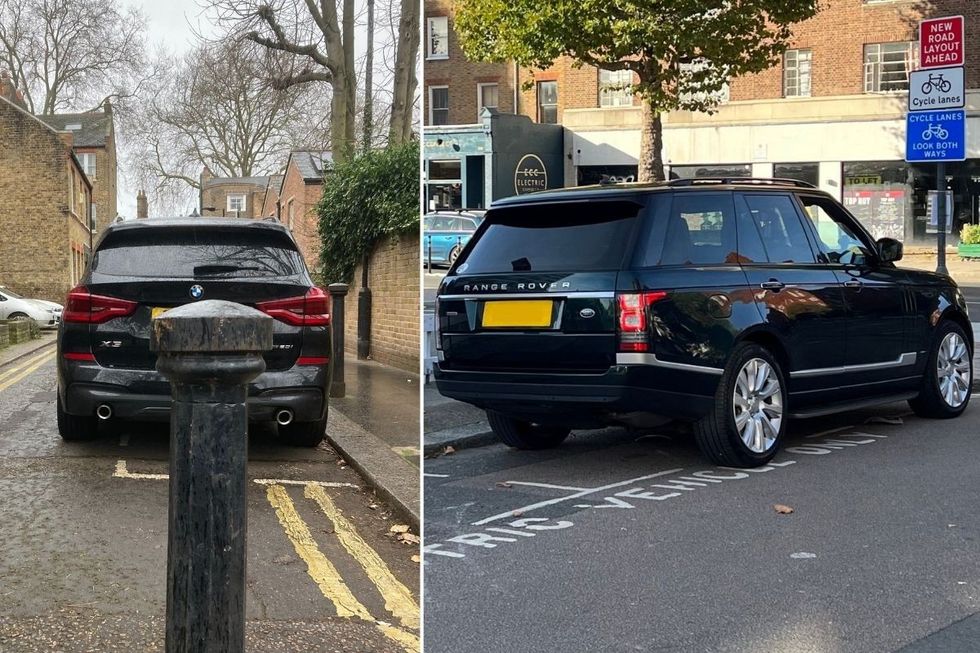
•The growing presence of SUVs on UK roads could wipe out as many as one in seven on-street parking spaces within the next 15 years, according to research published today.
•Analysis conducted by Transport & Environment and Clean Cities revealed that the phenomenon known as 'carspreading' could reduce urban parking capacity by between 8.5 per cent and 14 per cent by 2040...
•London faces particularly severe consequences, with approximately 100,000 parking spaces at risk of being lost, with the study warning that the larger vehicles are putting pressure on councils to rede...
هذا الخبر من GB News. خبر يقدم أدوات ذكاء اصطناعي للتلخيص والترجمة والاستماع.
المصدر: GB News | Source: GB NewsThe growing presence of SUVs on UK roads could wipe out as many as one in seven on-street parking spaces within the next 15 years, according to research published today.
Analysis conducted by Transport & Environment and Clean Cities revealed that the phenomenon known as 'carspreading' could reduce urban parking capacity by between 8.5 per cent and 14 per cent by 2040 if current vehicle size trends persist.
London faces particularly severe consequences, with approximately 100,000 parking spaces at risk of being lost, with the study warning that the larger vehicles are putting pressure on councils to redesign public spaces to accommodate SUVs.
The research traces this trend back to the turn of the millennium, finding that newly sold vehicles have been expanding by 1.2cm in length each year since 2000.
TRENDINGStoriesVideosYour SayWidth, overall height and bonnet height have simultaneously increased by roughly 0.5cm annually over the same period.
This steady growth in vehicle dimensions has occurred despite households becoming smaller and fewer passengers typically travelling in each car.
The report argued that manufacturers have deliberately moved away from producing compact models, instead prioritising larger, more lucrative vehicles that generate higher profit margins.
It intensified competition for limited urban space, with bigger cars now occupying road and parking infrastructure originally designed for more modestly sized vehicles.
The report warned that the trend towards larger SUVs could result in approximately 400 additional fatalities on roads across the UK and European Union each year by 2040, when compared to a scenario where vehicle dimensions gradually returned to 2015 levels.
Children face disproportionate danger from this development, with the study projecting a 40 per cent increase in pedestrian deaths among young people under the current trajectory.
Rising bonnet heights present a particular hazard for smaller pedestrians, with the average expected to reach 86.2cm by 2040.
While adults struck by vehicles are typically hit in the torso or vital organs, children are more likely to sustain impacts to the head or chest due to their shorter stature.
LATEST DEVELOPMENTS
- Sadiq Khan praises London Ulez with 'overwhelming' evidence of scheme's benefits
- Motorists face £1,000 fine and curfews under new driving licence rules coming this October
- Drivers launch lawsuit against fuel stations over 'astronomical' petrol and diesel prices
Anna Krajinska, T&E UK director, said: "Car manufacturers have spent decades pushing large expensive cars at the expense of smaller models.
"After 25 years of relentless growth, our streets are dominated by oversized SUVs that cities simply weren't designed for."
She described the situation as "a lose-lose" in which local authorities must reshape streets around bigger vehicles, "sacrificing parking capacity, public space and safety in the process".
Ms Krajinska characterised the trend as "a market failure", arguing that without regulations to limit vehicle dimensions and promote smaller cars, carspreading would continue unabated.
Oliver Lord, UK director of Clean Cities, said: "How many more reports are needed, or kids killed, until the car industry stops peddling massive and unnecessary SUVs? Carspreading is fast becoming a public health crisis."
He urged city leaders to take immediate action on congestion, parking pressures and road deaths. However, industry representatives pushed back against the findings.
AA president Edmund King said: "Depending on design, some larger cars can be safer for pedestrians, as well as occupants, so it is too simplistic to assume larger cars are more dangerous."
Mike Hawes, chief executive of the Society of Motor Manufacturers and Traders, argued that consumer demand ultimately shapes vehicle design.
Our Standards: The GB News Editorial Charter

ملاحظة تحريرية | Editorial Note: نُشر هذا المقال في الأصل بواسطة GB News. خبر (Khabr) هي منصة إعلامية أردنية مرخّصة تعمل بالذكاء الاصطناعي. نضيف قيمة تحريرية من خلال: تحليل ذكي للأخبار، ملخصات تلقائية، رواية صوتية بالذكاء الاصطناعي، ترجمة متعددة اللغات، وتدقيق الحقائق. هدفنا جعل الأخبار أكثر وضوحاً وسهولةً للقارئ العربي.
This article was originally published by GB News. Khabr is a licensed Jordanian AI-powered news platform (Registration #82086). We add editorial value through: AI-powered news analysis, automated summaries, AI audio narration, multi-language translation (Arabic, English, French, Turkish), and AI fact-checking. Our mission is to make news more accessible and understandable for Arabic-speaking audiences worldwide.