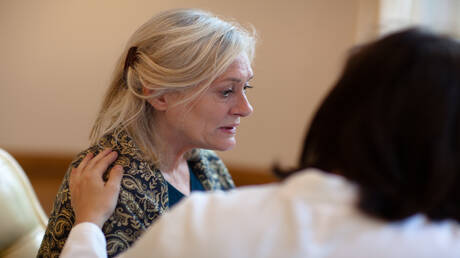
Do you need another Covid-19 vaccine? Top doctor issues warning to Australians with the virus now the leading infectious cause of death
•COVID-19 remains a significant health risk, causing thousands of deaths and hospitalizations annually in Australia.
•Vaccination is crucial for at-risk groups, with recommendations for boosters varying by age and health status.
•Pregnant women and older adults in residential care facilities are particularly urged to stay updated with COVID vaccinations.
By MERU SHEEL FROM UNIVERSITY OF SYDNEY Published: 04:38, 15 July 2026 | Updated: 04:39, 15 July 2026 The COVID pandemic feels like a long time ago. Now, we have widespread immunity from vaccination and natural infection. And getting COVID is less risky than it was five years ago. But COVID can still lead to hospitalisation and deaths in older people, pregnant women and those with underlying chronic diseases, such as asthma or heart disease. Each year in Australia, COVID is estimated to cause 2,000–5,000 deaths and more than 100,000 hospitalisations. COVID was the leading infectious cause of death in Australia between 2020-2025, with 4,613 deaths in 2023, 3,908 in 2024 and 1,722 deaths in 2025. Vaccination continues to be one of the most effective ways to prevent deaths and serious complications from COVID. So who should get a COVID vaccine, and how often? COVID vaccines are recommended for those at risk of getting severe disease: - Adults 75 years and over are recommended to get a COVID booster every six months Meru Sheel (pictured) said COVID can still lead to hospitalisation and deaths in older people, pregnant women and those with chronic diseases such as asthma or heart disease Vaccination continues to be one of the most effective ways to prevent deaths and serious complications from COVID according to Professor Meru Sheel COVID vaccines are recommended for those at risk of getting severe disease - Adults aged 65–74 years without underlying conditions are recommended to get a booster every 12 months - Adults aged 18–64 with underlying conditions are recommended to get a booster every 12 months. A study found that in 2021–22 people living in residential facilities accounted for 21 per cent of 'excess deaths' (beyond what would usually be seen) in Australia, despite making up less than 1 per cent of the population. Aged care residents live in close proximity to each other and rely on care workers and nurses who attend large number of residents, meaning COVID infections can easily spread. People who live in a residential aged care facility are therefore recommended to get a booster every six months. COVID vaccines are also recommended for pregnant women who have never been vaccinated. In a study looking at more than 100,000 mother-baby pairs, vaccinated people were less likely to have pregnancy complications. Otherwise healthy, previously vaccinated pregnant women are no longer recommended to have boosters. An ICU nurse caresfor a COVID-19 positive patient at St Vincent's Hospital in Sydney Unlike during the pandemic, pregnant women who are otherwise healthy are now at low risk of getting severe disease or pregnancy complications from COVID. Why do at-risk groups need to keep getting vaccinated? In Australia, older adults are offered routine immunisations for influenza, pneumococcal disease, shingles and RSV. The World Health Organization recommends COVID vaccines be part of these kinds of routine immunisation programs for adults and high-risk groups. This will prevent them from getting severe disease. There is some evidence that immunity from vaccines might decline over a period of around six months. But there are high levels hybrid immunity in the population, from previous infections and vaccinations at different times, so this declining immunity is less of a concern than in previous years. Younger people and otherwise healthy people are at generally lower risk of getting severe disease. A nurse checks a syringe filled with the Pfizer COVID-19 vaccination between patients at the Belmore Medical GP inSydney What about children? COVID vaccines are available (rather than recommended) every 12 months, for adults 18–64 years. This means it's safe to get additional boosters and you can have one if you decide it's right for you. You can also discuss this with your medical provider. Like all vaccines, COVID boosters come with common, short-term side effects, such as fever, pain at the injection site and tiredness. Severe adverse events, such as heart inflammation are extremely rare, with one to two cases per 100,000 vaccinations. These risks are also weighed as part of the risk and benefits decision when recommending additional boosters. You can also talk to your medical provider about these. For otherwise healthy people who have been previously vaccinated, the risk of getting severe disease from COVID is low. So it's up to the individual to make the choice. Additional boosters are safe and protective, but the added benefits are smaller. This is different to earlier years of the pandemic where there was very little immunity in the population, both from natural infection and vaccination. Adults 75 years and over are recommended to get a COVID booster every six months Now most people in the community have some level of immunity against COVID. Typically, kids with COVID develop mild, cold-like symptoms which resolve in two to seven days. Severe disease is less common. However, children with underlying conditions such as obesity, or chronic heart, lung, or neurological problems are at greater risk of becoming more unwell from COVID. A primary course of COVID vaccine is available for children aged six months and over with conditions that increase their risk of severe COVID. Booster vaccines are available for children aged 5–17 years who are severely immunocompromised every 12 months. The main vaccine available for use in Australia is the Comirnaty vaccine. Two types are available: one against the SARS-CoV-2 Omicron JN.1 and the other against the Omicron LP.8.1 variant. A study from the United States found the JN.1 formulation was more than 40 per cent effective against hospitalisations in immunocompromised adults aged 65 years or over. Meanwhile, a recent European study found vaccination with the LP8.1 formulation was also effective in generating antibodies against the NB.1.8.1 variant – which is currently circulating in Australia – as well as the globally dominant XFG variant. So if you're in one of the recommended groups, it's worth getting either vaccine, as the dominance of these variants can change month to month and in different locations. While these dominant variants all come from the Omicron lineage, health experts globally continue to monitor the evolution of COVID strains so they can keep a watch on its spread, disease severity and performance of vaccines. Written by Meru Sheel Professor of Infectious Diseases and Global Health, University of Sydney. This article was republished with permission from The Conversationالمصدر: Daily Mail | Source: Daily Mail
→COVID-19 remains a significant health risk, causing thousands of deaths and hospitalizations annually in Australia.
→Vaccination is crucial for at-risk groups, with recommendations for boosters varying by age and health status.
ملاحظة تحريرية | Editorial Note: نُشر هذا المقال في الأصل بواسطة Daily Mail. خبر (Khabr) هي منصة إعلامية أردنية مرخّصة تعمل بالذكاء الاصطناعي. نضيف قيمة تحريرية من خلال: تحليل ذكي للأخبار، ملخصات تلقائية، رواية صوتية بالذكاء الاصطناعي، ترجمة متعددة اللغات، وتدقيق الحقائق. هدفنا جعل الأخبار أكثر وضوحاً وسهولةً للقارئ العربي.
This article was originally published by Daily Mail. Khabr is a licensed Jordanian AI-powered news platform (Registration #82086). We add editorial value through: AI-powered news analysis, automated summaries, AI audio narration, multi-language translation (Arabic, English, French, Turkish), and AI fact-checking. Our mission is to make news more accessible and understandable for Arabic-speaking audiences worldwide.