Devastating ordeal as high-risk mum is turned away from hospital hours before her baby boy was born with life-changing complications
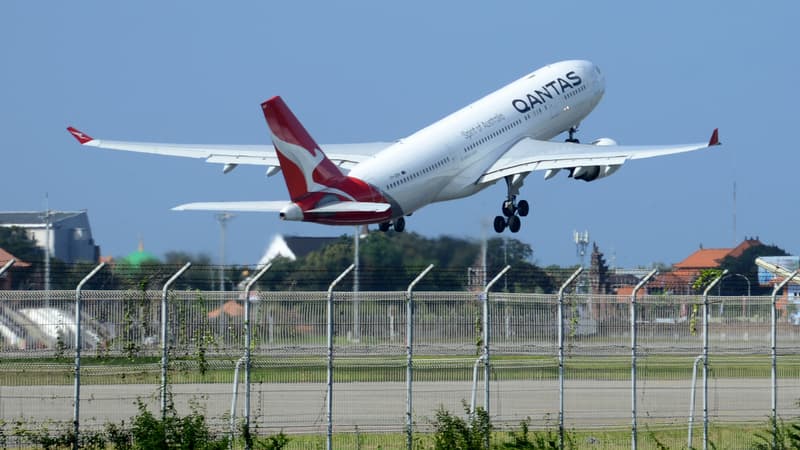
By SARAH BROOKES - SENIOR REPORTER, AUSTRALIA Published: 14:59, 15 June 2026 | Updated: 15:04, 15 June 2026 A hospital sent a high‑risk pregnant woman home and later told her to 'turn around' as her condition spiralled, just hours before her baby boy was born with devastating complications that led to cerebral palsy, the NSW Supreme Court has heard. Despite a cascade of warning signs - worsening symptoms, repeated phone calls and a positive infection test sitting in the system - staff at Gold Coast University Hospital are accused of failing to act as Susan Page's condition deteriorated throughout the day. She was only admitted late that night when both she and her unborn son were already in distress. Medical records show that Ms Page was classified as high‑risk, with a history of pre‑eclampsia, a placental abruption and a uterine perforation – all serious conditions that can complicate pregnancy and delivery. She also had gestational diabetes, further increasing the risk of infection and harm to her baby, named Benjamin. Despite this, Benjamin's expert witness, clinical midwife Dr Catherine Adams, said the pregnancy should have been treated as high‑risk from the outset and failing to do so fell below acceptable medical standards. The NSW Supreme Court heard Ms Page was 39 weeks pregnant when her waters broke at 5.30am on November 16, 2011, prompting her to call the hospital's delivery suite. When she presented in person two hours later, initial observations - including monitoring the baby's heart rate, temperature and blood pressure - were normal. Gold Coast University Hospital (pictured) while admitting it owed a duty of care, denies breaching that duty in the case of Susan Page and her son Benjamin Justice Gregory Sirtes SC (pictured) approved an undisclosed settlement for Ms Page and her son A routine test for Group B Streptococcus (GBS), a bacteria that can be passed to the baby during birth, was taken. Despite her medical history, Ms Page was sent home and told to wait for labour to progress. No antibiotics were prescribed and she was not told to return once her GBS result became available. The hospital denied the decision was negligent, arguing her vital signs were normal at the time. It is also disputed whether the discharge decision was made by a midwife alone or with a doctor's involvement. But just hours after returning home, Ms Page's condition began to deteriorate. At 11am she rang the delivery suite, reporting clamminess, cramping, sudden swelling and flu‑like symptoms. The midwife who took the call did not follow the hospital's own assessment checklist and dismissed the symptoms as weather‑related. Dr Adams said that failure meant staff missed crucial red flags including the opportunity to check her GBS status. Paediatric neurologist Dr Michael Harbord (pictured) gave expert evidence at the hearing ifor Ms Page and her son Benjamin Unbeknown to Ms Page, that test had already returned positive at 11.42am – a critical result that significantly increased the risk of infection for both mother and baby. The hospital did not inform her. Nor was her care escalated or antibiotics administered. As the hours ticked by, her condition worsened. By early afternoon her contractions had begun. By mid-afternoon they were intensifying, accompanied by hot and cold sweats and increasing pain, which are classic signs of a developing infection. At 4.40pm, fearing something was wrong, Ms Page and her husband set off for the hospital. But during a phone call en route, they were allegedly told to turn around and go home because her contractions were not frequent enough. Ms Page says that advice was given without any clinical assessment and without regard to the positive infection result already on file. The hospital admits the call took place but disputes what was said and denies the advice was inappropriate. Gold Coast University Hospital maternity suite (pictured) By 8pm, her condition had visibly deteriorated. Pale and unwell, she was finally allowed to return to hospital after her husband repeated her symptoms multiple times over the phone. When she was re‑admitted at 9pm, staff found meconium‑stained fluid, the baby's first stool and a warning sign of foetal distress, running down Ms Page's legs, while her temperature had spiked to 38C, pointing to infection. Crucially, it was only then she was told her GBS test from that morning was positive. Ms Page argued the combination of factors - infection, foetal distress and her high‑risk status - should have triggered an emergency delivery and urgent antibiotics. The hospital denied this. Although antibiotics were eventually given later that night, the dosage fell well short of recommended guidelines, according to evidence by obstetrician Dr Mike O'Connor. By 11.45pm, a CTG revealed the baby's heart rate had surged to 200 beats per minute – a clear obstetric emergency. Still, no emergency caesarean was performed. Instead, a natural birth proceeded. Judge Greg Sirtes said medical negligence lawyer Philip Beale (pictured) was 'persuasive' in seeking a settlement fee for Ms Page and her son Benjamin was born just after midnight in a critical condition, later diagnosed with GBS sepsis and meconium aspiration syndrome – both serious complications. Since his birth, Ms Page said her son has experienced developmental and neurological difficulties including delayed speech development, hearing loss, asthma, febrile convulsions, ear infections and developmental delay. He was diagnosed with cerebral palsy in 2022 along with executive functioning impairment and severely delayed language and communication skills. He has ongoing orthopaedic issues that require Botox injections to relax his calf muscles, tendo-achilles lengthening surgery and will likely need further orthopaedic surgery for deformities. During the lawsuit, multiple medical experts argued the failures by hospital staff contributed to Benjamin's severe disabilities. However, the hospital, while admitting it owed a duty of care, denies breaching that duty and disputes both causation and the extent of the child's injuries. Key disagreements included who decided to discharge Ms Page, whether her condition initially appeared normal, and whether treatment decisions were appropriate. Despite the strong claim, the case was settled before trial, with the court approving a confidential payout. No comments have so far been submitted. Why not be the first to send us your thoughts, or debate this issue live on our message boards. By posting your comment you agree to our house rules. Do you want to automatically post your MailOnline comments to your Facebook Timeline? Your comment will be posted to MailOnline as usual. Do you want to automatically post your MailOnline comments to your Facebook Timeline? Your comment will be posted to MailOnline as usual We will automatically post your comment and a link to the news story to your Facebook timeline at the same time it is posted on MailOnline. To do this we will link your MailOnline account with your Facebook account. We’ll ask you to confirm this for your first post to Facebook. You can choose on each post whether you would like it to be posted to Facebook. Your details from Facebook will be used to provide you with tailored content, marketing and ads in line with our Privacy Policy.المصدر: Daily Mail | Source: Daily Mail
ملاحظة تحريرية | Editorial Note: نُشر هذا المقال في الأصل بواسطة Daily Mail. خبر (Khabr) هي منصة إعلامية أردنية مرخّصة تعمل بالذكاء الاصطناعي. نضيف قيمة تحريرية من خلال: تحليل ذكي للأخبار، ملخصات تلقائية، رواية صوتية بالذكاء الاصطناعي، ترجمة متعددة اللغات، وتدقيق الحقائق. هدفنا جعل الأخبار أكثر وضوحاً وسهولةً للقارئ العربي.
This article was originally published by Daily Mail. Khabr is a licensed Jordanian AI-powered news platform (Registration #82086). We add editorial value through: AI-powered news analysis, automated summaries, AI audio narration, multi-language translation (Arabic, English, French, Turkish), and AI fact-checking. Our mission is to make news more accessible and understandable for Arabic-speaking audiences worldwide.