⚡ عاجل: كريستيانو رونالدو يُتوّج كأفضل لاعب كرة قدم في العالم●⚡ أخبار عاجلة تتابعونها لحظة بلحظة على خبر●⚡ تابعوا آخر المستجدات والأحداث من حول العالم●
AI اقتراحات ذكية
AI مباشر|--مشاهد مباشر
1,040,039مقال401مصدر نشط228قناة مباشرة3,363خبر اليوم
آخر تحديث:منذ 3 ثواني
Depressed mice successfully treated with smart contact lenses that zap their brains – new study
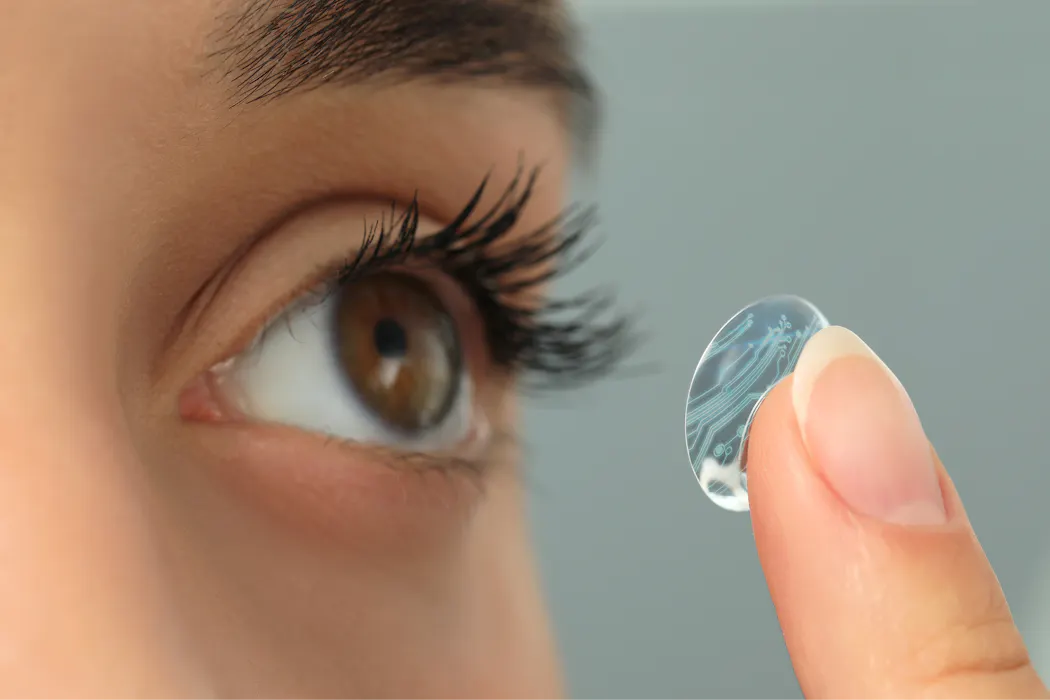
•New Africa/Shutterstock.comScientists in South Korea have developed experimental contact lenses designed to send electrical signals through the retina and into brain regions linked to mood.
•In mice, the technology appeared to improve depression-like behaviour.
•The idea sounds futuristic: a contact lens that could one day help treat depression by stimulating the brain through the eye.
هذا الخبر من ذا كونفرسيشن. خبر يقدم أدوات ذكاء اصطناعي للتلخيص والترجمة والاستماع.
Scientists in South Korea have developed experimental contact lenses designed to send electrical signals through the retina and into brain regions linked to mood. In mice, the technology appeared to improve depression-like behaviour.
The idea sounds futuristic: a contact lens that could one day help treat depression by stimulating the brain through the eye. The work is still at a very early stage, with findings so far limited to a single mouse study.
The eye is already one of the body’s most useful access points for medical technology. Light passes through the cornea and lens before reaching the retina, which converts it into electrical signals carried to the brain through the optic nerve. Because of this close connection, researchers have spent years developing technologies that use the eye to monitor disease.
Smart contact lenses have already been designed to monitor some eye conditions, such as glaucoma. Other smart contact lenses can track pupil size as an indicator of nervous system activity, since the iris reacts to light, emotion and some drugs. And scientists have also developed experimental lenses to monitor glucose levels in people with diabetes.
The latest research attempts something different: using the eye as a route into the brain itself.
The contact lenses contain tiny electrodes that send mild electrical signals through the retina, the layer of light-sensitive tissue at the back of the eye. The researchers used a technique known as temporal interference, in which two slightly different electrical frequencies are delivered at the same time. The signals are designed so that they only become fully active where they overlap, allowing researchers to target specific brain regions linked to mood regulation.
The researchers compared the process to two weak torch beams crossing to create a brighter point where they meet. In theory, the approach could stimulate brain circuits known to be linked to depression.
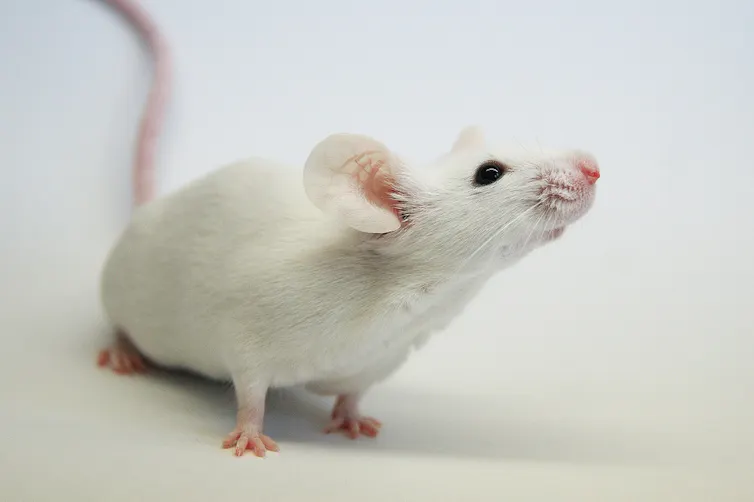
The experiments were carried out in mice that had been injected with a stress hormone to create depression-like behaviour. The researchers acknowledge that this does not fully reflect human depression. Scientists also continue to debate the relationship between stress hormones and depression, with studies producing mixed results and questions remain about cause and effect.
For the study, the researchers fitted miniature contact lenses to mice with damaged photoreceptors, meaning their vision was already impaired. This was necessary because normal visual activity would interfere with the electrical signals passing through the eye. The technique, as tested, would therefore not work in animals, or people, with healthy retinas.
There are other reasons to be cautious. Human eyes constantly adjust focus by changing the shape of the lens, something mouse eyes do not do in the same way. That movement could disrupt signals delivered through a contact lens placed on the cornea.
The technology also faces practical challenges. Smart lenses need careful fitting to avoid damaging the cornea and must be kept clean to reduce the risk of infection. Any medical data they collect would also require strong safeguards.
Making the lenses is very expensive and the researchers note that the technology is not yet commercially viable on a large scale. A recent review highlighted the manufacturing difficulties involved in making smart contact lenses.
Depression itself is also difficult to model in laboratory animals. Symptoms, causes and severity vary widely between patients, making it hard to draw direct comparisons from experiments involving stressed mice raised in carefully controlled laboratory conditions.
Non-invasive brain stimulation is already an established area of medical research, and the work may help with future studies. But results from a small mouse experiment involving animals with impaired vision are still a long way from a treatment that could be used in humans.
Nonetheless, the idea of treating depression using smart contact lenses is intriguing, and this early work adds a creative new thread to the broader search for novel treatments for depression.
Barbara Pierscionek does not work for, consult, own shares in or receive funding from any company or organisation that would benefit from this article, and has disclosed no relevant affiliations beyond their academic appointment.
ملاحظة تحريرية | Editorial Note:
نُشر هذا المقال في الأصل بواسطة ذا كونفرسيشن.
خبر (Khabr) هي منصة إعلامية أردنية مرخّصة تعمل بالذكاء الاصطناعي.
نضيف قيمة تحريرية من خلال: تحليل ذكي للأخبار، ملخصات تلقائية، رواية صوتية بالذكاء الاصطناعي، ترجمة متعددة اللغات، وتدقيق الحقائق.
هدفنا جعل الأخبار أكثر وضوحاً وسهولةً للقارئ العربي.
This article was originally published by ذا كونفرسيشن.
Khabr is a licensed Jordanian AI-powered news platform (Registration #82086).
We add editorial value through: AI-powered news analysis, automated summaries, AI audio narration, multi-language translation (Arabic, English, French, Turkish), and AI fact-checking.
Our mission is to make news more accessible and understandable for Arabic-speaking audiences worldwide.
هذا الخبر ضمن تغطية خبر لقسم علوم.
نقدّم لك تحليلات ذكية وملخصات يومية لأهم الأخبار من مصادر موثوقة متعددة.
المصدر: ذا كونفرسيشن.
يوجد 6 مقالات مرتبطة بهذا الموضوع.
This article is part of Khabr's coverage of Science.
We provide AI-powered analysis, summaries, and multi-source aggregation to keep you informed.
Source: ذا كونفرسيشن.
Tags: depression, mice, smart contact lenses.
🍪 نستخدم ملفات تعريف الارتباط لتحسين تجربتك وعرض الإعلانات المخصصة. باستخدامك للموقع، فإنك توافق على سياسة ملفات تعريف الارتباط وسياسة الخصوصية.
We use cookies to enhance your experience and show personalized ads. By using this site, you agree to our Cookie Policy and Privacy Policy.
🔍
FREEFree 1GB Internet + Free International Calls
$1 trial — eSIM in 190+ countries — No roaming charges