Deadly drug-resistant fungal infections rising in the U.S.
•Health newsDeadly drug-resistant fungal infections rising in the U.S.Candida auris can “colonize” the skin and spread easily to surfaces.
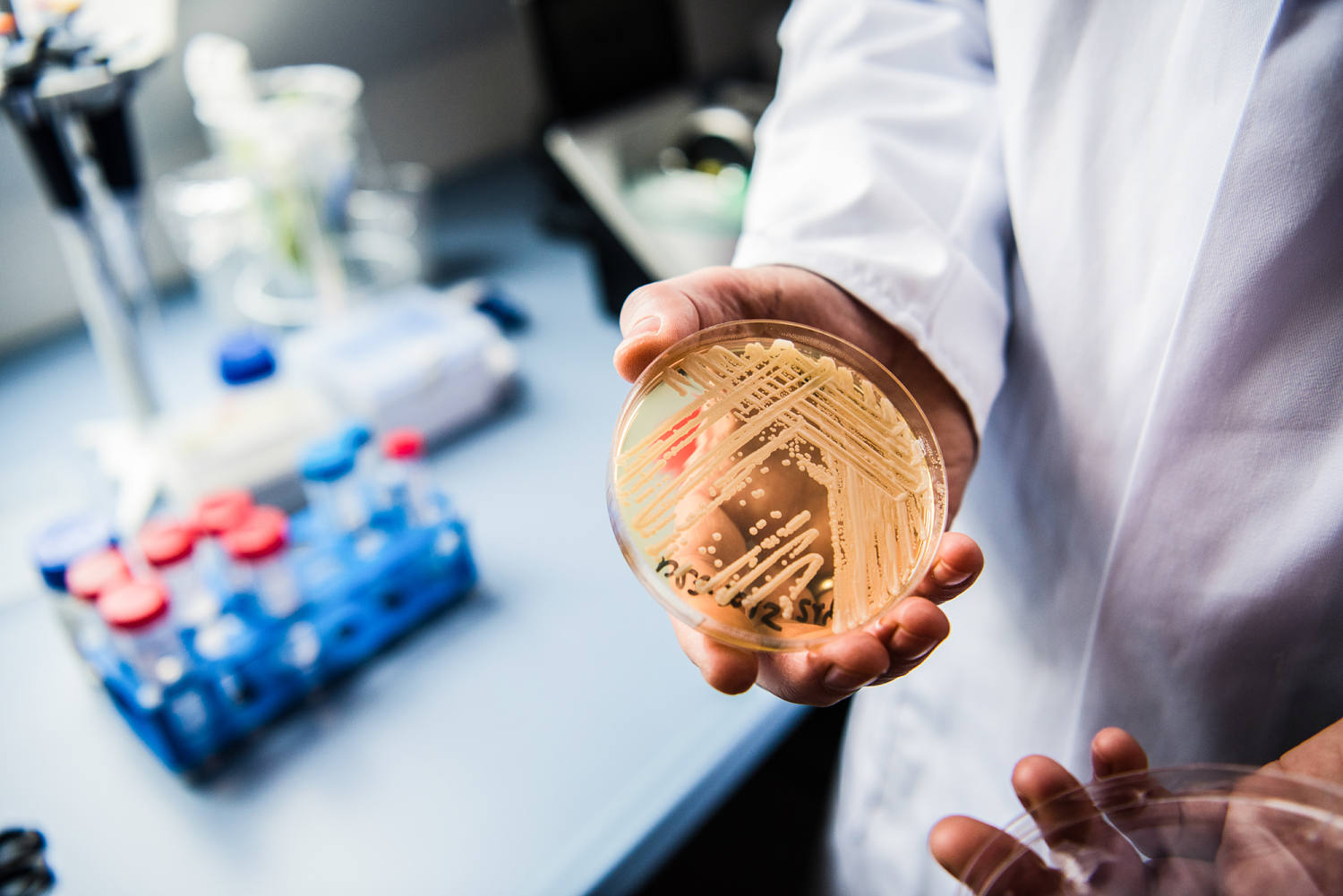
•Listen to this article with a free profile00:0000:00Oliver Kurzai, director of the National Reference Center for Invasive Fungus Infections, holds a petri dish containing the yeast Candida auris in a...
•Limited time: Save 25% on NBC News subscriptionGet exclusive reporting, live Q&As and ad-free reading.Candida auris, or C.
هذا الخبر من NBC News. خبر يقدم أدوات ذكاء اصطناعي للتلخيص والترجمة والاستماع.
Health newsDeadly drug-resistant fungal infections rising in the U.S.Candida auris can “colonize” the skin and spread easily to surfaces. Listen to this article with a free profile00:0000:00Oliver Kurzai, director of the National Reference Center for Invasive Fungus Infections, holds a petri dish containing the yeast Candida auris in a laboratory at Würzburg University in Würzburg, Germany, in 2018.Nicolas Armer / dpa / picture alliance via Getty Images fileShareAdd NBC News to GoogleJuly 3, 2026, 6:30 AM EDTBy Lily AlvinoA potentially deadly type of fungus that is almost untreatable continues to pose severe threats to healthcare facilities across the U.S., a new government study found. Limited time: Save 25% on NBC News subscriptionGet exclusive reporting, live Q&As and ad-free reading.Candida auris, or C. auris, is a yeast that can cause serious illness in people with weakened immune systems. Since the fungus was first identified in the U.S. in 2016, more than half of states have reported cases. From 2022 to 2024, 13,507 C. auris cases were reported to the Centers for Disease Control and Prevention, with steady and significant increases each year. Most of the cases were in men over 45, in hospitals and in healthcare facilities, according to the report released Tuesday. The CDC collected the data, which state and jurisdictional health departments submitted voluntarily. The CDC didn’t include deaths from C. auris. An earlier study found that about 30% of people infected with the fungus die. C. auris can accumulate on the skin, which scientists call “colonization.” Getting rid of it isn’t easy.“Sometimes the fungi sits on our skin and becomes a part of our ecosystem,” said Dr. Waleed Javaid, chief quality officer of West Virginia University Hospitals and professor of medicine in the infectious diseases division. Healthy people typically are asymptomatic, but those with compromised immune systems or coping with other illnesses are at high risk of infection. The fu...المصدر: NBC News | Source: NBC News
ملاحظة تحريرية | Editorial Note: نُشر هذا المقال في الأصل بواسطة NBC News. خبر (Khabr) هي منصة إعلامية أردنية مرخّصة تعمل بالذكاء الاصطناعي. نضيف قيمة تحريرية من خلال: تحليل ذكي للأخبار، ملخصات تلقائية، رواية صوتية بالذكاء الاصطناعي، ترجمة متعددة اللغات، وتدقيق الحقائق. هدفنا جعل الأخبار أكثر وضوحاً وسهولةً للقارئ العربي.
This article was originally published by NBC News. Khabr is a licensed Jordanian AI-powered news platform (Registration #82086). We add editorial value through: AI-powered news analysis, automated summaries, AI audio narration, multi-language translation (Arabic, English, French, Turkish), and AI fact-checking. Our mission is to make news more accessible and understandable for Arabic-speaking audiences worldwide.