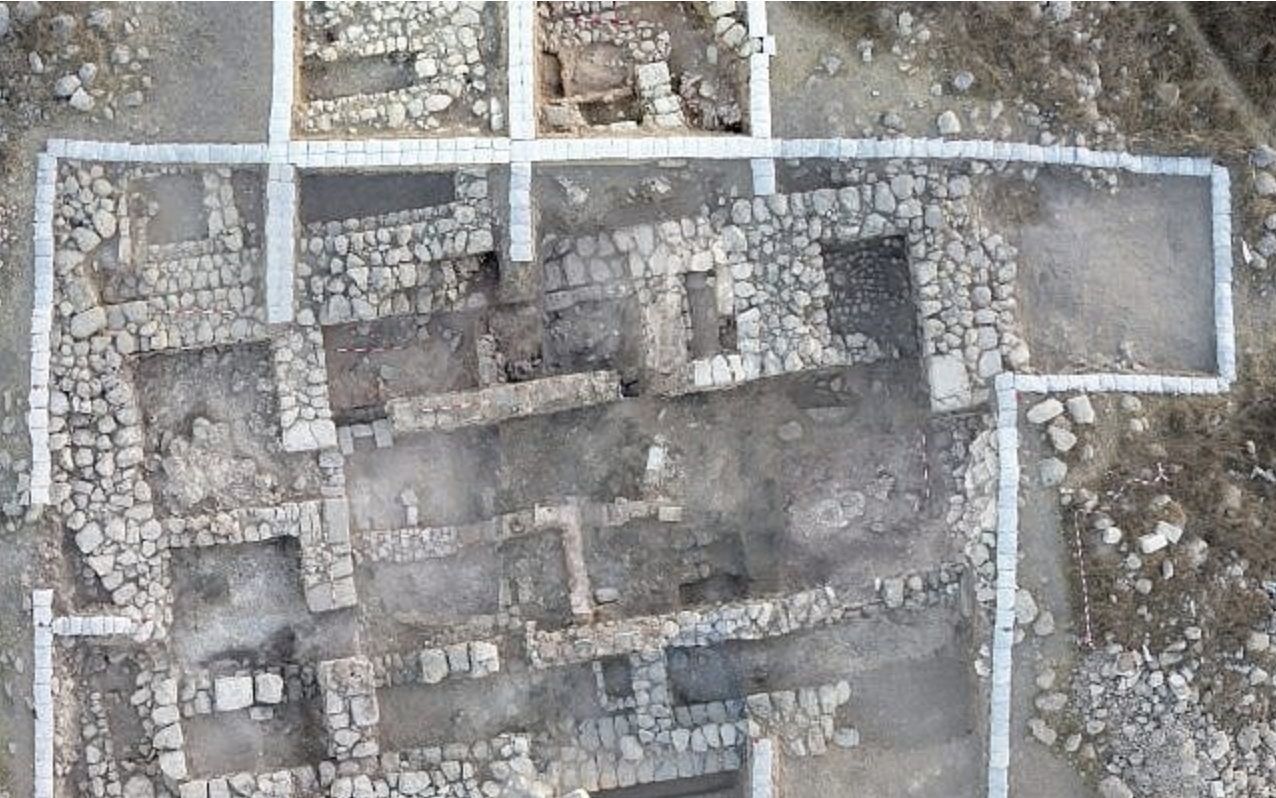
A massive cultic stone unearthed at an ancient Israelite mansion in southern Israel could provide fresh archaeological support for the biblical account of King Hezekiah's religious reforms, according to research published in the Jerusalem Journal of Archaeology.
Bar-Ilan University's Professor Avraham Faust argues in the 2026 study the imposing stone monument, known as a massebah, was deliberately dismantled and repurposed during the 8th century BCE.
The timing aligns with the period when King Hezekiah is said to have suppressed local worship practices to centralise Jewish religious observance at the Temple in Jerusalem.
"Standing stones were a common religious feature in the ancient Middle East and beyond from prehistory to a much later period and are attested in both archaeological finds and written sources, including in the Bible," Professor Faust said.
The artifact measures roughly 1.4 metres in height and weighs approximately 750 kilograms.
Archaeologists uncovered the stone at Tel 'Eton, situated in the Judean lowlands, 20 miles southeast of Ashkelon, during excavation work conducted in 2014 and 2015.
"We did not immediately understand what we had found," Mr Faust recalled. "At the beginning, we thought the stone layer was part of the collapse of a wall, and that the large stone was part of it."
The team initially contemplated breaking the stone apart for easier removal but ultimately abandoned that approach.

MORE FOLLOWS....
Our Standards: The GB News Editorial Charter