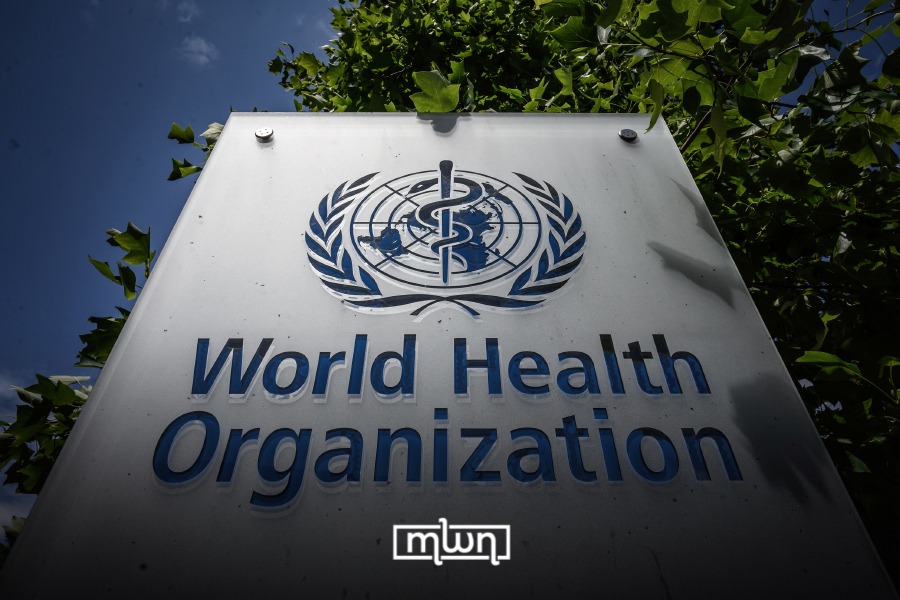
Fez– A decisive round of negotiations opened this week at the World Health Organization (WHO), as countries attempt to resolve key disputes over vaccine access and the sharing of pathogens under a global pandemic treaty.
According to France24, the talks, held at the organization’s headquarters, come after more than three years of discussions launched in the aftermath of the COVID-19 crisis.
While a pandemic treaty was adopted in May 2025, a central element, how to ensure fair and rapid sharing of pathogens and health tools, remains unresolved.
At the center of the negotiations is a proposed system known as PABS, designed to regulate the exchange of biological samples, genetic data, and the vaccines and treatments developed from them.
The goal is to avoid the inequalities seen during past health crises, where access to life-saving tools was uneven and often delayed in poorer regions.
However, deep divisions persist. Developing countries continue to express strong concerns about sharing virus samples without clear guarantees that they will receive fair access to vaccines and treatments during future outbreaks.
Many point to past experiences, including outbreaks like Ebola, where medical advances were made using samples from affected regions, but benefits were not equally shared.
On the other side, wealthier nations and pharmaceutical stakeholders question whether the industry will support such a system without clear financial incentives.
They also remain cautious about binding commitments that could affect innovation and investment.
The debate has grown more complex as science evolves. Beyond physical samples, genetic data has become essential in developing vaccines, diagnostics, and treatments.
This raises new questions about how such data should be shared, tracked, and protected.
Under the proposed framework, companies participating in the system would be required, in the event of a pandemic, to allocate a portion of their production, around 20% to the WHO.
At least half of that share would be donated, while the rest would be offered at affordable prices.
Yet the exact terms, including financial contributions and rules on data access, are still under negotiation.
Another major point of tension concerns transparency.
Developing countries are pushing for a system that tracks who uses pathogen data, while several developed countries favor anonymous access, arguing it supports open scientific research.
Critics warn that anonymity could allow genetic resources from poorer nations to be used commercially without accountability.
The stakes are high, particularly for Africa, where concerns are growing over reduced global health funding.
The withdrawal of the US from the WHO is expected to significantly cut resources, as it previously accounted for a substantial share of the organization’s budget.
Despite the challenges, negotiators say progress is being made.
Some countries have shown greater flexibility in recent days, raising cautious optimism that a compromise could be reached before the upcoming World Health Assembly in May.
The decisions taken this week could shape how the world responds to the next global health emergency, and whether access to vaccines and treatments will be more equitable than in the past.
The post Crucial Week of Talks at WHO as Vaccine Access, Data Sharing Divide Nations appeared first on Morocco World News.