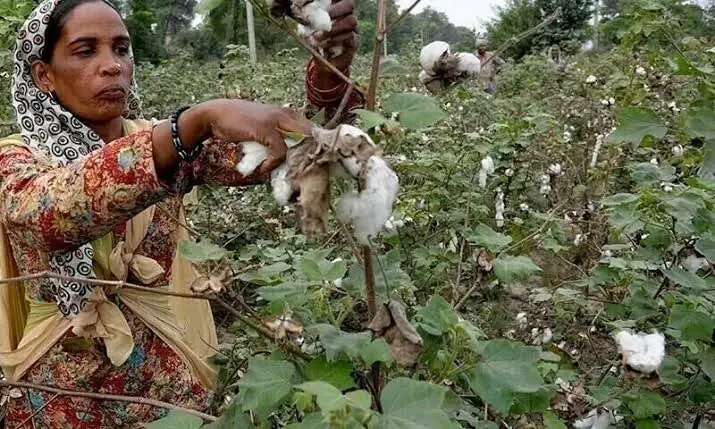
PAKISTAN’S declining cotton economy is rapidly turning into a case study in policy contradiction.
Amid endless official rhetoric of an agricultural revival for export-led growth, the country is witnessing a surge in cotton imports even before the start of the new harvest. It is not simply the result of temporary domestic supply shortages; it is also the failure of cotton policy over many years.
The import order of 206,000 bales from the US — nearly the entire quantity of US cotton sold during the week — highlights the severity of the domestic supply crisis. Imports from Brazil are also rising sharply. Such large-scale imports before the arrival of the local crop are extraordinary and signal that our cotton supply chain is now structurally dependent on foreign supplies.
The consequences go beyond the farm sector or the downstream textile industry. Cotton imports could cost Pakistan billions of dollars.
For an economy struggling with chronic dollar shortages, weak reserves and recurring balance-of-payments crises, this is alarming.
That Pakistan is increasingly importing what it once produced competitively in quantities sufficient to feed its textile industry, sustain rural incomes and reduce pressure on foreign exchange reserves speaks volumes about the extent of the policy rot. We now have a cycle of shrinking output leading to increased imports.
Higher imports drain foreign exchange, and the ensuing external pressures either lead back to demand compression and reduction in textile exports or to another balance-of-payments crisis. The demand for tax relief, lower energy tariffs and reduced levies underline the financial stress across the value chain.
However, such incentives alone will not reverse the decline. We need a coherent long-term cotton strategy focused on research, seed development, water conservation, crop incentives and protection of agricultural institutions from political and commercial encroachment — or else, Pakistan might lose a key pillar of its export economy.
Published in Dawn, May 27th, 2026