Clock ticking as Iran talks clouded by doubt
•Dubai: The clock is ticking on a fragile Iran-US ceasefire, with talks clouded by confusion and US President Donald Trump warning it is “highly unlikely” the truce will be extended — raising the risk...
•Tehran has framed the action, along with the blockade itself, as a violation of the ceasefire, complicating any return to the negotiating table.Inside US–Iran talks: Why gaps persist and what comes ne...
•But officials have stopped short of confirming any dates, reflecting the uncertainty surrounding whether delegations will actually meet.Analysts say the scale of preparations suggests contingency plan...
هذا الخبر من Gulf News. خبر يقدم أدوات ذكاء اصطناعي للتلخيص والترجمة والاستماع.
المصدر: Gulf News | Source: Gulf NewsDubai: The clock is ticking on a fragile Iran-US ceasefire, with talks clouded by confusion and US President Donald Trump warning it is “highly unlikely” the truce will be extended — raising the risk of a return to fighting within hours.
Uncertainty over a second round of talks has deepened after Iran’s chief negotiator Mohammad Bagher Ghalibaf said Tehran would not negotiate “under the shadow of threats,” signalling a hardening stance even as Washington pushes for dialogue.
Iranian officials have also accused the US of undermining diplomacy, saying Trump’s rhetoric risks turning negotiations into a “table of surrender,” further widening the gap between the two sides.
Despite US claims that a delegation led by Vice President JD Vance is expected to head to Islamabad, there has been no confirmation from Tehran, with state media reporting that no Iranian delegation has yet travelled — leaving the fate of the talks uncertain.
Diplomacy under strain
At the heart of the impasse is a widening trust deficit.
The US Navy’s seizure of an Iranian-flagged cargo ship near the Strait of Hormuz over the weekend — the first such move since Washington imposed a naval blockade on Iranian ports — has emerged as a major sticking point. Tehran has framed the action, along with the blockade itself, as a violation of the ceasefire, complicating any return to the negotiating table.
The result is a diplomatic paradox: Both sides continue to speak of talks, yet their actions are reinforcing the conditions that make those talks harder to achieve.
A narrowing window
With the ceasefire nearing expiry, time is rapidly running out to convert tentative diplomatic signals into a concrete process.
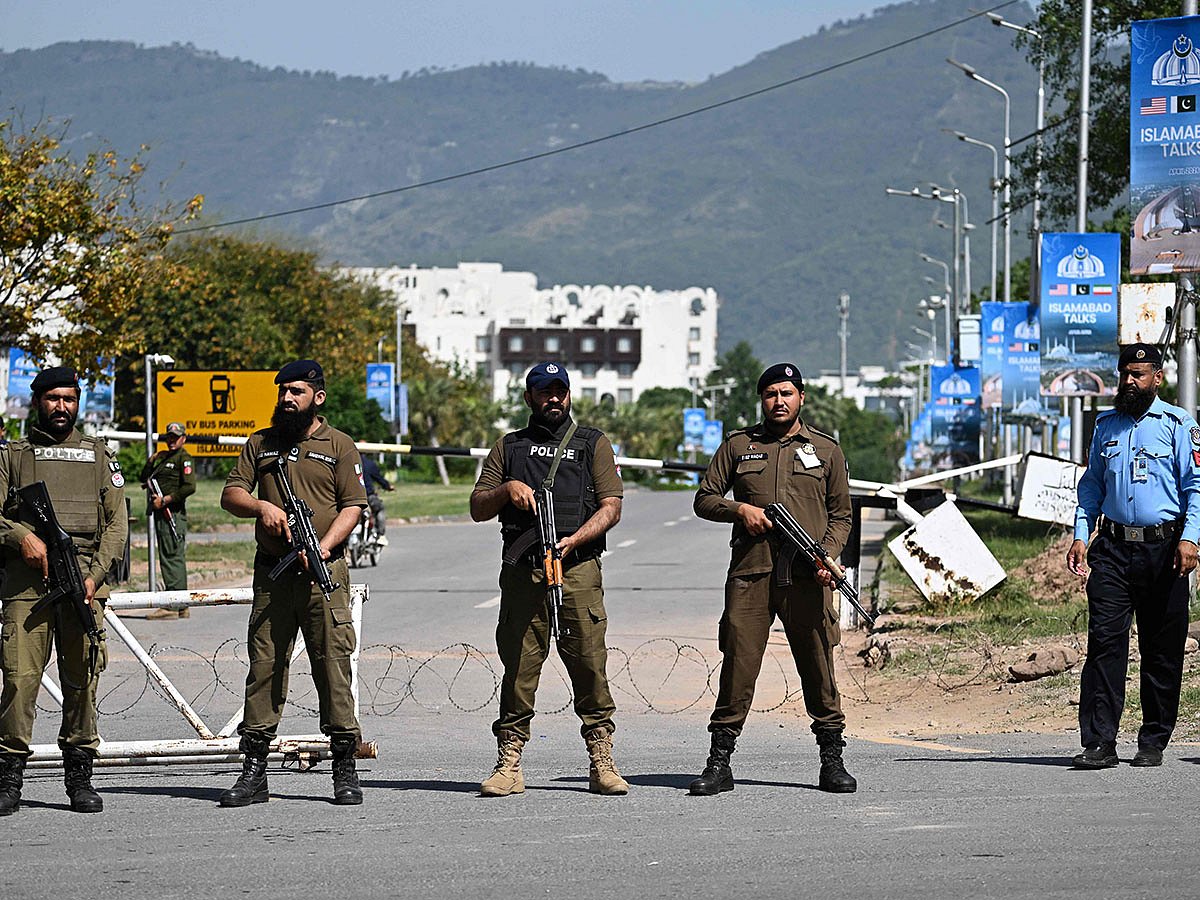
Pakistan, which is hosting the proposed talks, has stepped up security across Islamabad, deploying thousands of personnel and tightening patrols in anticipation of high-level arrivals. But officials have stopped short of confirming any dates, reflecting the uncertainty surrounding whether delegations will actually meet.
Analysts say the scale of preparations suggests contingency planning for a breakthrough — but also highlights how fragile the situation remains.
Global stakes rise
The uncertainty is rippling beyond the immediate conflict zone.
China has described the moment as a “critical stage of transition” between war and peace, urging all parties to maintain momentum toward dialogue. Beijing has also called for the reopening of the Strait of Hormuz, where shipping remains severely disrupted despite the ceasefire.
European officials, meanwhile, are grappling with the economic fallout. Energy concerns are mounting, with warnings that supply disruptions could begin to affect fuel availability if instability persists.
Markets have already reacted nervously, with oil prices staying elevated and financial volatility reflecting the unpredictable trajectory of the crisis.
Pause, not progress
Even if the ceasefire holds through its final hours, there is little indication that it has delivered meaningful progress toward a resolution.
With Iran resisting talks under pressure, the United States maintaining its blockade, and no confirmed meeting in sight, the diplomatic track appears increasingly uncertain.
As the deadline approaches, the truce risks fading into a pause defined more by confusion than by any clear path to peace.
ملاحظة تحريرية | Editorial Note: نُشر هذا المقال في الأصل بواسطة Gulf News. خبر (Khabr) هي منصة إعلامية أردنية مرخّصة تعمل بالذكاء الاصطناعي. نضيف قيمة تحريرية من خلال: تحليل ذكي للأخبار، ملخصات تلقائية، رواية صوتية بالذكاء الاصطناعي، ترجمة متعددة اللغات، وتدقيق الحقائق. هدفنا جعل الأخبار أكثر وضوحاً وسهولةً للقارئ العربي.
This article was originally published by Gulf News. Khabr is a licensed Jordanian AI-powered news platform (Registration #82086). We add editorial value through: AI-powered news analysis, automated summaries, AI audio narration, multi-language translation (Arabic, English, French, Turkish), and AI fact-checking. Our mission is to make news more accessible and understandable for Arabic-speaking audiences worldwide.