Chinese manufacturers recalibrate overseas expansion plans in wake of Iran war
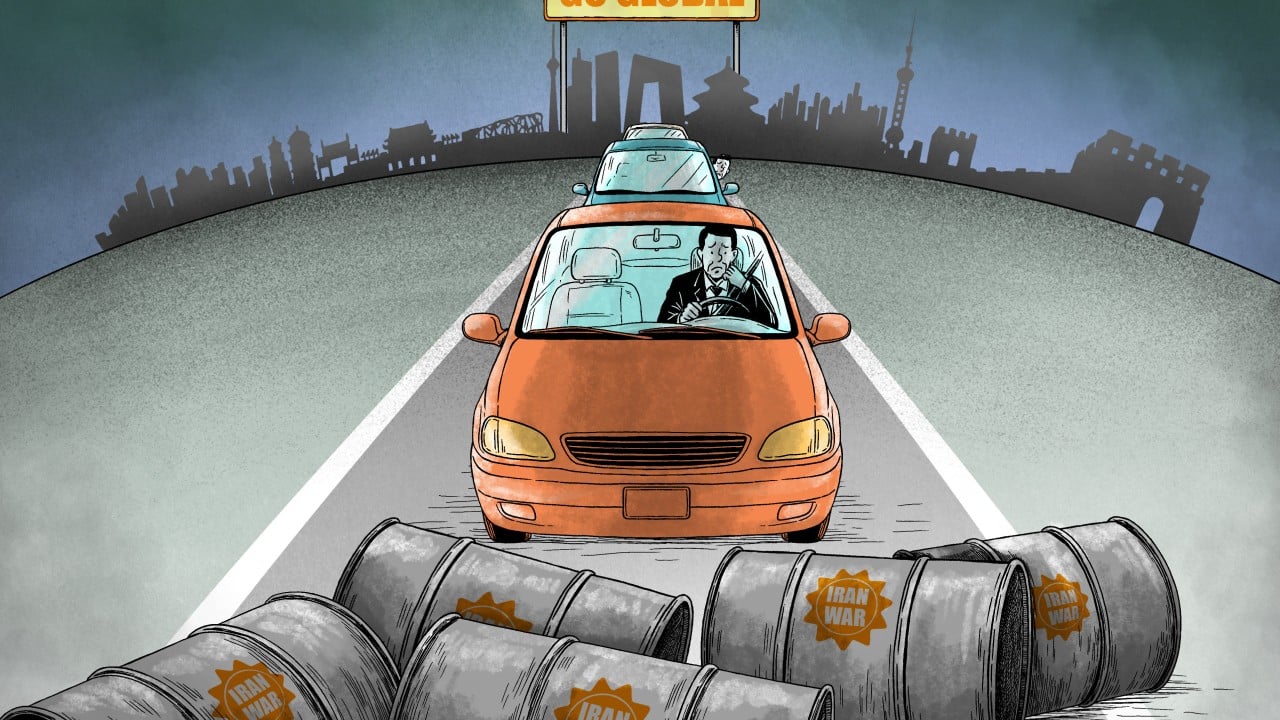
AdvertisementChina manufacturingEconomyChina EconomyChinese manufacturers recalibrate overseas expansion plans in wake of Iran warBusinesses are rethinking short-term strategies as they adapt to rising costs and slowing growth across major economies 4-MIN READ4-MIN ListenXiaofei Xuin ParisandHe Huifengin GuangdongPublished: 6:00am, 18 Apr 2026Updated: 6:08am, 18 Apr 2026With domestic profits narrowing and production capacity expanding, China’s firms are continuing to widen their overseas footprints in search of new, more lucrative markets. In this series, we examine China Inc.’s next phase of “going global” and the complex, challenging international environment its companies have chosen to enter.When Lawrence Wong decided to set up a toy factory in Vietnam last year, he had a clear plan: 600 square metres (6,458 sq ft) of floor space at the start of 2026, with ambitions to double that by the end of the year. Then came the war in Iran, with the ensuing energy shocks battering Vietnam and sending production costs surging. “A single toy costs significantly more to produce in Vietnam than in Guangdong [province in southern China] – 6 yuan (88 US cents) in Guangdong, but 9 yuan in Vietnam right now,” he said. AdvertisementWong has decided to hang on to his factory near Ho Chi Minh City because of the long-term implications of the rivalry between Beijing and Washington, but the expansion plan has been shelved for now. He warned that newly opened Chinese factories in Vietnam that lacked a large order base should be prepared to lose money. AdvertisementWong is far from alone in recalibrating. The increasingly turbulent international environment – most recently marked by the war in Iran and a subsequent oil market shock – is forcing many Chinese firms to rethink their short-term strategies and adapt to mounting pressures stemming from rising costs and slowing growth across major economies. AdvertisementSelect VoiceSelect Speed0.8x0.9x1.0x1.1x1.2x1.5x1.75x00:0000:001.00xالمصدر: South China Morning Post | Source: South China Morning Post
ملاحظة تحريرية | Editorial Note: نُشر هذا المقال في الأصل بواسطة South China Morning Post. خبر (Khabr) هي منصة إعلامية أردنية مرخّصة تعمل بالذكاء الاصطناعي. نضيف قيمة تحريرية من خلال: تحليل ذكي للأخبار، ملخصات تلقائية، رواية صوتية بالذكاء الاصطناعي، ترجمة متعددة اللغات، وتدقيق الحقائق. هدفنا جعل الأخبار أكثر وضوحاً وسهولةً للقارئ العربي.
This article was originally published by South China Morning Post. Khabr is a licensed Jordanian AI-powered news platform (Registration #82086). We add editorial value through: AI-powered news analysis, automated summaries, AI audio narration, multi-language translation (Arabic, English, French, Turkish), and AI fact-checking. Our mission is to make news more accessible and understandable for Arabic-speaking audiences worldwide.