تحليل ذكي | AI Editorial Analysis
•play Live Sign upShow navigation menuNavigation menuNewsShow more news sectionsAfricaAsiaUS & CanadaLatin AmericaEuropeAsia PacificMiddle EastExplainedSportOpinionVideoMoreShow more sectionsFeaturesEc...
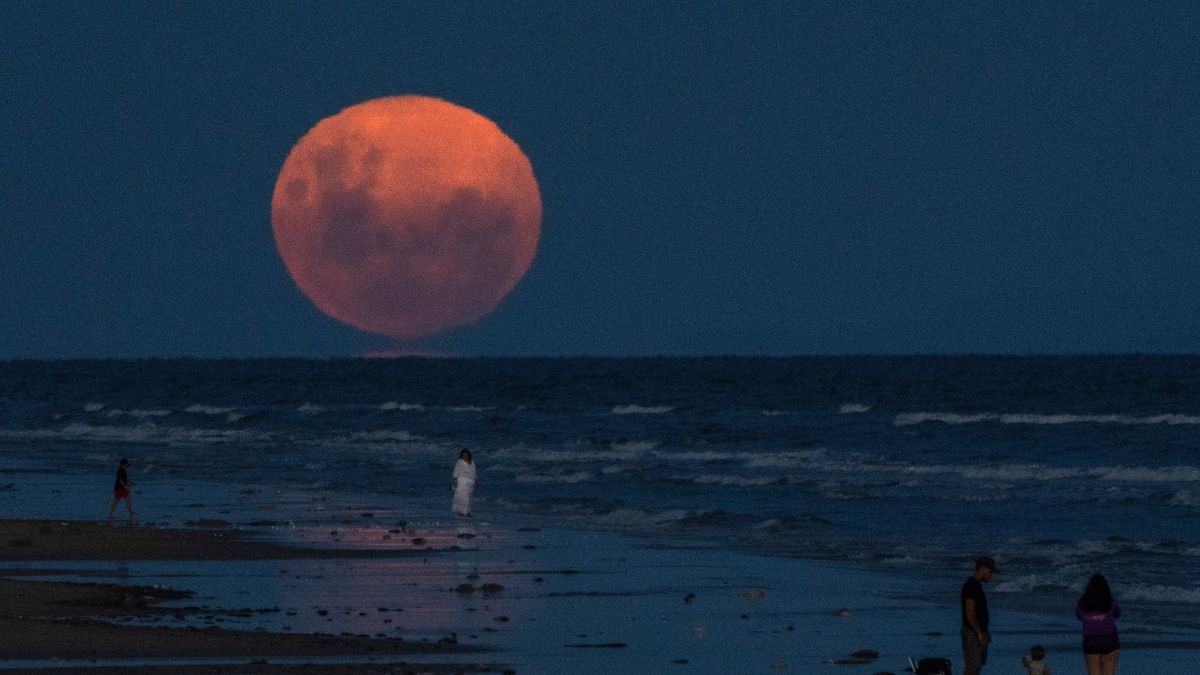
•xwhatsapp-strokecopylinkgoogleAdd Al Jazeera on GoogleinfoIf the water on the moon is in enough quantity and realistically accessible, it can serve as drinking water on crewed lunar missions.
•[File: (Representative photo)/Esteban Felix/AP]By Sarah ShamimPublished On 22 Aug 202622 Aug 2026China is set to launch its Chang’e-7 unmanned, robotic space mission, possibly as early as Monday morni...
هذا الخبر من Al Jazeera English. خبر يقدم أدوات ذكاء اصطناعي للتلخيص والترجمة والاستماع.
play Live Sign upShow navigation menuNavigation menuNewsShow more news sectionsAfricaAsiaUS & CanadaLatin AmericaEuropeAsia PacificMiddle EastExplainedSportOpinionVideoMoreShow more sectionsFeaturesEconomyHuman RightsClimate CrisisInvestigationsInteractivesIn PicturesScience & TechnologyPodcastsTravelSponsored Contentplay Live Click here to searchsearchSign upEXPLAINERNews|SpaceChina’s new moon mission could unlock secret of lunar ice: Why that mattersThe Chang’e-7 seeks to find out more about the water trapped within the moon’s shadowed craters. xwhatsapp-strokecopylinkgoogleAdd Al Jazeera on GoogleinfoIf the water on the moon is in enough quantity and realistically accessible, it can serve as drinking water on crewed lunar missions. [File: (Representative photo)/Esteban Felix/AP]By Sarah ShamimPublished On 22 Aug 202622 Aug 2026China is set to launch its Chang’e-7 unmanned, robotic space mission, possibly as early as Monday morning, to look for ice water in the permanently shadowed craters of the moon’s south pole. This marks China’s seventh and most ambitious moon mission so far. Here is what we know about it. The Chang’e‑7 launch window runs from Monday, August 24 to Monday, August 31, according to launch observers. That means the mission could lift off on any day in that period. The Chang’e-7 comprises an orbiter, a lander, a rover and a hopper. Over the past two decades, several space missions have established that there is water on the moon. Since the 1960s, even before the first Apollo landing in 1969, scientists speculated that water could exist on the moon. However, when Apollo crews returned samples for testing in the late 1960s and early 1970s, they appeared to be dry. Finally, in 2009, NASA deliberately crashed a rocket segment and its probe into a shadowed lunar crater to analyse the dust plume it kicked up. This provided one of the clearest direct confirmations that significant ice water does exist on the moon, building on earlier detections of water and hydrogen by probes. In October 2020, NASA scientists announced that water on the moon is more widespread than previously known. They said water molecules had been found to be encapsulated within mineral grains on the lunar surface and speculated that more water is hidden in ice patches which are in permanent shadows. NASA describes these permanent shadows as dark areas inside deep craters near the north and south poles of the moon where sunlight has not reached for millions or even billions of years. In 2018, prior to confirming it in 2020, NASA had detected water ice in shadowed parts of the moon through mapping. Expanding knowledge about water on the moon is vital because ancient polar ice may have preserved a record of lunar volcanic activity and of water delivered by comets and asteroids to the Earth-moon system, offering clues to how our own oceans originally formed. Additionally, if there is enough water on the moon that is realistically accessible, it could serve as a source of drinking water for crewed lunar missions, and could also help to keep equipment cool. Hydrogen could also be extracted from moon water to provide fuel, while oxygen could be extracted to breathe, supporting onward missions to Mars or lunar mining. The 1967 United Nations Outer Space Treaty bans any nation from claiming sovereignty over the moon or owning it as territory. It does not explicitly prohibit commercial operations, but it requires private activities in space to be authorised and supervised by states and leaves key questions about resource ownership unresolved. In 2023, Russia’s lunar spacecraft, Luna-25, was launched to look for frozen water in the moon’s south pole. However, the Luna-25 spun out of control and crashed. The crash prevented any scientific data collection or water discovery. Racing against the Luna-25 mission was India’s Chandrayaan-3, which also aimed to expand knowledge of lunar water ice. Chandrayaan-3 successfully landed in August 2023 and found critical new evidence of water on the surface of the moon’s south pole through soil temperature readings. Attempted landings at the moon’s south pole have failed before because of its challenging terrain, which is full of craters and deep trenches. The south pole is far from the equatorial region targeted by previous missions, including the crewed Apollo landings. The upcoming Chang’e-7 is aiming to expand knowledge about where, exactly, water is located in the craters of the moon, how deep it is, what form it is in and whether it is indeed possible to access it. The Chang’e-7’s six-legged hopper has been designed to jump into and out of the deep, shadowed craters near the south pole that are hard for traditional rovers to reach, to look for water ice and other resources. No previous space mission has used a dedicated hopper to jump in and out of lunar craters in this way. Advertisement AboutAboutShow moreAbout UsCode of EthicsTerms and ConditionsEU/EEA Regulatory NoticePrivacy PolicyCookie PolicyCookie PreferencesAccessibility StatementSitemapWork for usConnectConnectShow moreContact UsUser Accounts HelpAdvertise with usStay ConnectedNewslettersChannel FinderTV SchedulePodcastsSubmit a TipPaid Partner ContentOur ChannelsOur ChannelsShow moreAl Jazeera ArabicAl Jazeera EnglishAl Jazeera Investigative UnitAl Jazeera MubasherAl Jazeera DocumentaryAl Jazeera BalkansAJ+Our NetworkOur NetworkShow moreAl Jazeera Centre for StudiesAl Jazeera Media InstituteLearn ArabicAl Jazeera Centre for Public Liberties & Human RightsAl Jazeera ForumAl Jazeera Hotel PartnersFollow Al Jazeera English:
المصدر: Al Jazeera English
| Source: Al Jazeera English
ملاحظة تحريرية | Editorial Note:
نُشر هذا المقال في الأصل بواسطة Al Jazeera English.
خبر (Khabr) هي منصة إعلامية أردنية مرخّصة تعمل بالذكاء الاصطناعي.
نضيف قيمة تحريرية من خلال: تحليل ذكي للأخبار، ملخصات تلقائية، رواية صوتية بالذكاء الاصطناعي، ترجمة متعددة اللغات، وتدقيق الحقائق.
هدفنا جعل الأخبار أكثر وضوحاً وسهولةً للقارئ العربي.
This article was originally published by Al Jazeera English.
Khabr is a licensed Jordanian AI-powered news platform (Registration #82086).
We add editorial value through: AI-powered news analysis, automated summaries, AI audio narration, multi-language translation (Arabic, English, French, Turkish), and AI fact-checking.
Our mission is to make news more accessible and understandable for Arabic-speaking audiences worldwide.