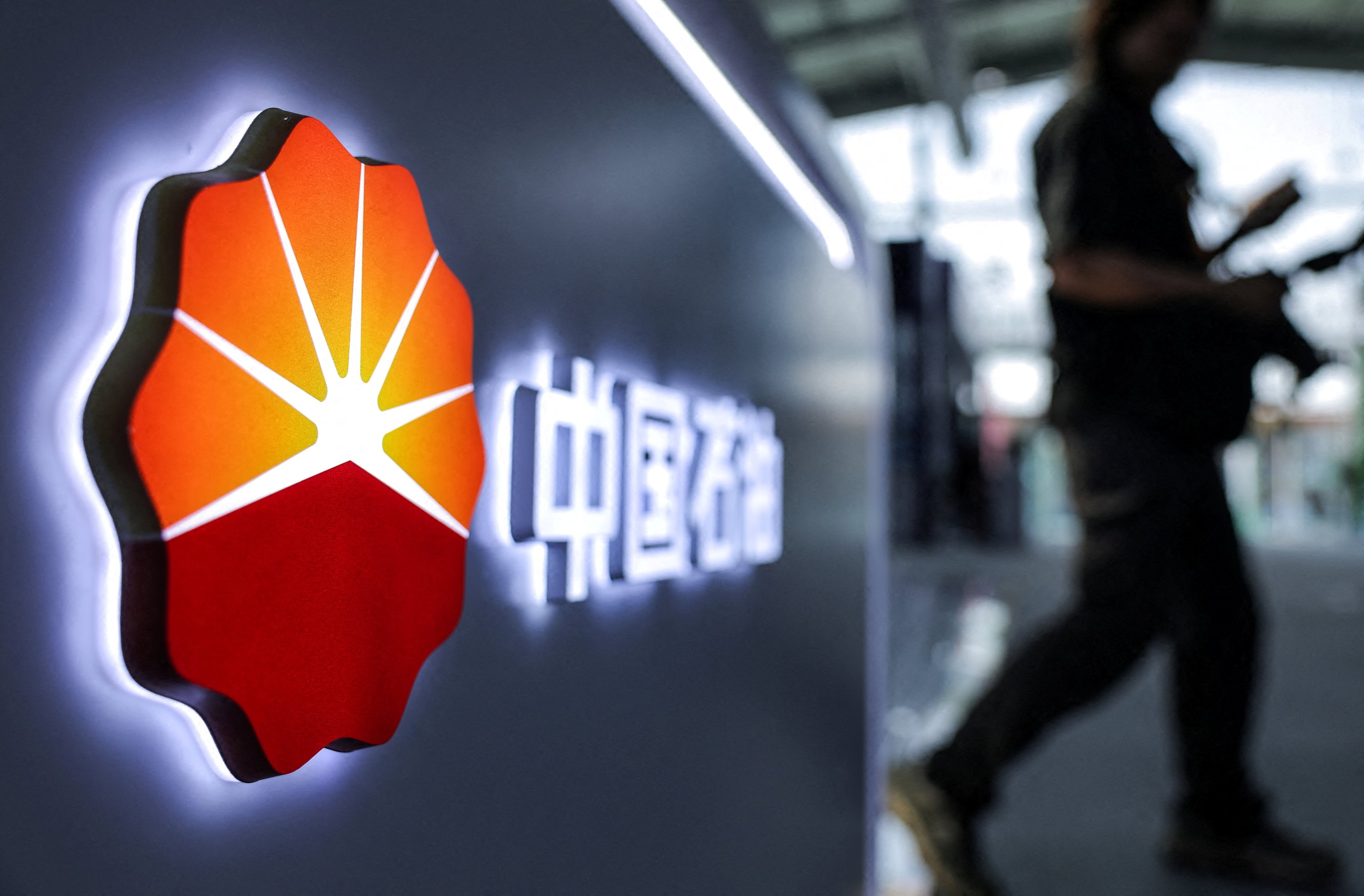
China’s energy strategy: Portfolio and power in gas market
•China’s natural gas market is transitioning from a domestically driven supply structure toward an import-based rebalancing phase.
•The country’s natural gas import structure does not rely on a single supplier; rather, it is based on a diversified and multi-layered portfolio strategy across both pipeline gas and liquefied natural...
•While the country meets approximately 40% of its gas demand through imports, a substantial portion of these imports is delivered as LNG via maritime routes, with the remainder supplied through pipelin...
هذا الخبر من Daily Sabah EN. خبر يقدم أدوات ذكاء اصطناعي للتلخيص والترجمة والاستماع.
ملاحظة تحريرية | Editorial Note: نُشر هذا المقال في الأصل بواسطة Daily Sabah EN. خبر (Khabr) هي منصة إعلامية أردنية مرخّصة تعمل بالذكاء الاصطناعي. نضيف قيمة تحريرية من خلال: تحليل ذكي للأخبار، ملخصات تلقائية، رواية صوتية بالذكاء الاصطناعي، ترجمة متعددة اللغات، وتدقيق الحقائق. هدفنا جعل الأخبار أكثر وضوحاً وسهولةً للقارئ العربي.
This article was originally published by Daily Sabah EN. Khabr is a licensed Jordanian AI-powered news platform (Registration #82086). We add editorial value through: AI-powered news analysis, automated summaries, AI audio narration, multi-language translation (Arabic, English, French, Turkish), and AI fact-checking. Our mission is to make news more accessible and understandable for Arabic-speaking audiences worldwide.