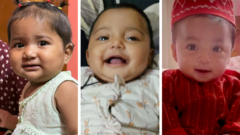
Children keep dying in a country that made huge progress on measles
•Children keep dying in a country that made huge progress on measlesImage caption, Nearly 750 people, including baby Arafat pictured here, have died from measles in Bangladesh in the past four monthsBy...
•But Unicef says the true numbers are likely to be higher, given the sudden surge, an overwhelmed health system and difficulties in gathering data.Those numbers are made real by the dozens of families...
•The ward at Medical College Hospital is at more than double its capacity, with nearly 130 patients in just 32 rooms.Image caption, Only the most severe cases receive a hospital bed in overcrowded ward...
هذا الخبر من BBC Health. خبر يقدم أدوات ذكاء اصطناعي للتلخيص والترجمة والاستماع.
Children keep dying in a country that made huge progress on measlesImage caption, Nearly 750 people, including baby Arafat pictured here, have died from measles in Bangladesh in the past four monthsByAzadeh MoshiriSouth Asia correspondent, Reporting fromMymensinghPublishedJust now"I have never seen an outbreak this huge," says paediatrician Dr Mohammed Golam Mawla, as we look around a measles ward in the Bangladeshi city of Mymensingh.Until March this year, Bangladesh had made "substantial progress" towards eliminating measles, according to the World Health Organisation.Vaccination rates had been higher than 90% until recently.But that progress has quickly and suddenly come undone.Since March, government figures show nearly 750 people, mostly children, have died from the highly contagious disease, which spreads easily through breathing, coughing or sneezing.The death toll includes confirmed and suspected cases of measles. But Unicef says the true numbers are likely to be higher, given the sudden surge, an overwhelmed health system and difficulties in gathering data.Those numbers are made real by the dozens of families around us who have no choice but to lie on blankets on the floor, in the hallway. The ward at Medical College Hospital is at more than double its capacity, with nearly 130 patients in just 32 rooms.Image caption, Only the most severe cases receive a hospital bed in overcrowded wards like this one in MymensinghFour-month-old Arafat is one of them.His nose is too small for oxygen tubes to sit comfortably so doctors have bandaged and taped them into place."We have been in the hospital for about 15 days now, but my baby isn't getting any better," his father, Mohammad Alam Mia, tells us. His baby is writhing in the heat and struggling to breathe.Arafat's parents travelled nearly 10 hours to the hospital. His father vomited and fainted in the ambulance, as his first child became unresponsive.Doctors diagnosed Arafat wi...المصدر: BBC Health | Source: BBC Health
ملاحظة تحريرية | Editorial Note: نُشر هذا المقال في الأصل بواسطة BBC Health. خبر (Khabr) هي منصة إعلامية أردنية مرخّصة تعمل بالذكاء الاصطناعي. نضيف قيمة تحريرية من خلال: تحليل ذكي للأخبار، ملخصات تلقائية، رواية صوتية بالذكاء الاصطناعي، ترجمة متعددة اللغات، وتدقيق الحقائق. هدفنا جعل الأخبار أكثر وضوحاً وسهولةً للقارئ العربي.
This article was originally published by BBC Health. Khabr is a licensed Jordanian AI-powered news platform (Registration #82086). We add editorial value through: AI-powered news analysis, automated summaries, AI audio narration, multi-language translation (Arabic, English, French, Turkish), and AI fact-checking. Our mission is to make news more accessible and understandable for Arabic-speaking audiences worldwide.