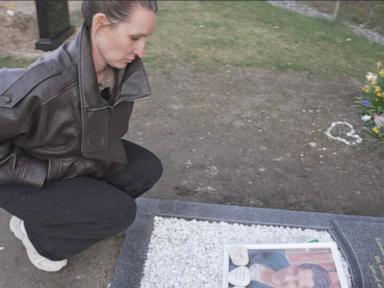
34||h=1&&(this.target=t[0]),t.length>=2&&(this.opts=t[1]);var n,r=this.opts||{},i=this.target;if("string"==typeof i?n=i:"object"==typeof i&&i instanceof y?n=i.url:window.URL&&"object"==typeof i&&i instanceof URL&&(n=i.href),o(this,n),"data"!==this.params.protocol){var s=(""+(i&&i instanceof y&&i.method||r.method||"GET")).toUpperCase();this.params.method=s,this.txSize=m(r.body)||0}}),u.on("fetch-done",function(t,e){if(this.endTime=a.now(),this.params||(this.params={}),"data"===this.params.protocol)return void g("Ajax/DataUrl/Excluded");this.params.status=e?e.status:0;var n;"string"==typeof this.rxSize&&this.rxSize.length>0&&(n=+this.rxSize);var r={txSize:this.txSize,rxSize:n,duration:a.now()-this.startTime};s("xhr",[this.params,r,this.startTime,this.endTime,"fetch"],this)})}},{}],18:[function(t,e,n){var r={};e.exports=function(t){if(t in r)return r[t];if(0===(t||"").indexOf("data:"))return{protocol:"data"};var e=document.createElement("a"),n=window.location,o={};e.href=t,o.port=e.port;var i=e.href.split("://");!o.port&&i[1]&&(o.port=i[1].split("/")[0].split("@").pop().split(":")[1]),o.port&&"0"!==o.port||(o.port="https"===i[0]?"443":"80"),o.hostname=e.hostname||n.hostname,o.pathname=e.pathname,o.protocol=i[0],"/"!==o.pathname.charAt(0)&&(o.pathname="/"+o.pathname);var a=!e.protocol||":"===e.protocol||e.protocol===n.protocol,s=e.hostname===document.domain&&e.port===n.port;return o.sameOrigin=a&&(!e.hostname||s),"/"===o.pathname&&(r[t]=o),o}},{}],19:[function(t,e,n){function r(t,e){var n=t.responseType;return"json"===n&&null!==e?e:"arraybuffer"===n||"blob"===n||"json"===n?o(t.response):"text"===n||""===n||void 0===n?o(t.responseText):void 0}var o=t(22);e.exports=r},{}],20:[function(t,e,n){function r(){}function o(t,e,n,r){return function(){return u.recordSupportability("API/"+e+"/called"),i(t+e,[f.now()].concat(s(arguments)),n?null:this,r),n?void 0:this}}var i=t("handle"),a=t(31),s=t(32),c=t("ee").get("tracer"),f=t("loader"),u=t(25),d=NREUM;"undefined"==typeof window.newrelic&&(newrelic=d);var p=["setPageViewName","setCustomAttribute","setErrorHandler","finished","addToTrace","inlineHit","addRelease"],l="api-",h=l+"ixn-";a(p,function(t,e){d[e]=o(l,e,!0,"api")}),d.addPageAction=o(l,"addPageAction",!0),d.setCurrentRouteName=o(l,"routeName",!0),e.exports=newrelic,d.interaction=function(){return(new r).get()};var m=r.prototype={createTracer:function(t,e){var n={},r=this,o="function"==typeof e;return i(h+"tracer",[f.now(),t,n],r),function(){if(c.emit((o?"":"no-")+"fn-start",[f.now(),r,o],n),o)try{return e.apply(this,arguments)}catch(t){throw c.emit("fn-err",[arguments,this,t],n),t}finally{c.emit("fn-end",[f.now()],n)}}}};a("actionText,setName,setAttribute,save,ignore,onEnd,getContext,end,get".split(","),function(t,e){m[e]=o(h,e)}),newrelic.noticeError=function(t,e){"string"==typeof t&&(t=new Error(t)),u.recordSupportability("API/noticeError/called"),i("err",[t,f.now(),!1,e])}},{}],21:[function(t,e,n){function r(t){if(NREUM.init){for(var e=NREUM.init,n=t.split("."),r=0;r0){var r=n[n.length-1];if(f&&f 13:11Anneli Berg's 16-year-old son Rio was killed in what top law enforcement officials in Western Europe say is part of a growing and terrifying trend. ABC NewsEarly on a Sunday evening last year, Anneli Berg said "see you later!" to her 16-year-old son Rio as he headed out to the gym with his friends. She expected him to arrive back at their home in Stockholm, Sweden in just a couple of hours. But Berg would never speak to her son again. Just after 9 o’clock that night in March 2025, a hooded stranger emerged from the dark, came up behind the group that had just left the gym, pulled a gun and opened fire. One teen was shot in the thigh. Rio was killed. “It’s still hard to believe. Sometimes I feel like I’m dreaming, like a nightmare,” Berg said in an interview with ABC News. “Why him? Why his friends? Is there something that I don't know?” Anneli Berg's 16-year-old son Rio was killed in what top law enforcement officials in Western Europe say is part of a growing and terrifying trend.ABC NewsThere was nothing more to know, the detectives told Berg. Rio "was just at the wrong place at the wrong time," she said. Swedish investigators said the shooter was no professional assassin – but another teenage boy who had been recruited to kill. Top law enforcement officials in Western Europe said Rio’s death is part of a growing and terrifying trend of kids being recruited and groomed online by criminal gangs to commit heinous acts. “It's like a cheap build-your-own contract killer scheme,” Catherine De Bolle, who until last month was executive director of Europol, the European Union’s police agency, told ABC News. And the problem of violence as a service, she said, is occurring on an "industrial scale." “Now, with the usage of artificial intelligence, with the new technology, and with the fact that so many youngsters are on digital platforms, it's heaven for criminal networks,” De Bolle said. “This is really worrying us.” 'Violence as a service' Catherine De Bolle, who until May 2026 was executive director of Europol, the European Union’s police agency, told ABC News criminal networks have no borders — and the digital environment is borderless as well.ABC NewsFor six months, ABC News has been investigating the rise of what officials call "violence as a service." Police are now investigating cases like this across Western Europe and, officials in the U.S. said, they know the problem is moving across the ocean. “Criminal gangs across the board have fully embraced the power of the internet” to commit their crimes, said John Cohen, former head of intelligence for the Department of Homeland Security. “It is happening here,” said Cohen, an ABC News contributor and an expert on online radicalization and crime. “This is the reality of today.” Officials say it is simply a computer-age twist on how criminal organizations find unsuspecting teens to do their dirty work: they lurk on gaming sites and messaging apps, seeking to recruit kids as young as 13. The result is child foot soldiers hired as hitmen, becoming both the perpetrators of crime and the victims of criminals. The trend so concerned European law enforcement that Europol formed a working group last year to combat the problem. Called the Grimm Task Force — named for the Brothers Grimm's dark and dangerous, cautionary fairytales — it specifically targets violence as a service and the recruitment of young perpetrators into serious, organized crime. They have already made nearly 300 arrests for such crimes across Belgium, Denmark, Finland, France, Germany, Iceland, the Netherlands, Norway, Spain, Sweden, and Britain. Their investigations have identified more than 15,000 online accounts on popular online platforms, and more than 1,500 people linked to violence as a service crimes — the overwhelming bulk of which are suspects and their various associates. “This is spreading like wildfire,” said Andy Kraag, the task force’s lead investigator and the head of Europol‘s Serious and Organised Crime Centre. “And I will bet you it will not stop at the borders of Europe.” Andy Kraag, the Europol task force’s lead investigator and the head of Europol‘s Serious and Organised Crime Centre, warns the the recruitment of young perpetrators for violence as a service is "spreading like wildfire."ABC NewsEuropol investigators have found that violence is now being sold as part of the gig economy and being enabled by a world that’s always online. Geography is irrelevant. “Criminal networks have no borders. Criminal networks have no standards. They have no laws to obey,” De Bolle said. “And when we look at the environment they are operating in, also the digital environment is borderless.” Since Europol's task force was launched in April 2025, their investigators have determined that at least 10 contract killings in Western Europe have been carried out by minors. Predominantly hired by narcotics gangs, more than 100 other crimes that involved children include bombings, kidnappings, torture, shootings, stabbings and setting other kids on fire. The process follows a pattern, according to Europol: Someone commissions the crime and funds it. Someone then scours encrypted messaging apps and gaming platforms seeking new recruits. And then someone arranges logistics and provides the weapon. In the end, an inexperienced minor – who has no idea who hired them – pulls the trigger. The going rate for the contracts can range from just a few thousand dollars to several times that, a Europol spokesperson said. The latest figures they've seen in Sweden, as few as 3,000€ and up to 40,000€ might be offered for a job, without specifying the exact type of contract. Investigators are seeing similar price tags in France. But while a cash prize might be dangled, it's often never paid — particularly if the kid carrying out the crime gets busted. And a promised payout isn't the only incentive, the spokesperson said: for young teens seeking acceptance, respect and recognition, the sense of belonging to a famous organized crime gang can offer powerful bait. “These kids, they are the perfect foot soldiers. Why? They do not have any criminal records, so they're hard to detect. These kids are vulnerable. They can be manipulated,” Kraag said. “They have been told that this is nothing different than the gaming that they were doing, and they get lured in. And, most of these kids get caught, because they had no idea what they're doing.” Police arrested the suspected shooter in Rio’s killing less than an hour after the shooting, according to court documents. Officers found the suspect a few hundred feet away from the scene, waiting for a getaway taxi that had been ordered for him. The assailant still had the gun in his jacket, according to court records, and was 16 years old -- the same age as Rio. Videos shared exclusively with ABC News from Europol show what authorities say are actual assassinations carried out by teenagers — and part of the growing problem of violence as a service.EuropolThe shooter told investigators he had taken the mission because he had a debt to pay off, according to court records. Another teen he knew offered to loop him in on encrypted chat groups where he could get various criminal assignments for money — which he did. But Rio was not the intended target and it was a case of mistaken identity, according to court documents. The shooter was convicted of murder, though he insisted he didn’t remember pulling the trigger. He was sentenced to 9 1/2 years in prison. “The only thing he admitted was that it was the wrong people and that he did it for money because he was in debt,” said Berg. “I would ask him, was it worth it to take another boy's life? If you were so scared, why didn't you ask for help? Because I think in the end, he didn't only destroy our lives, he destroyed his own as well, for money.” The new frontier of crime-fighting in the digital age means homing in on both the criminals – and working with the platforms used to lure kids in. American officials said they know all too well how insidious criminal schemes are becoming, and are warning of the rising threat posed to kids online by violence as a service offerings. The FBI told ABC News it is investigating more than 450 subjects who are tied to violent online networks, including criminal gangs. Every single FBI field office across is working on such investigations. “We are determined to identify and stop those who target the most vulnerable members of our society – our children and other at-risk individuals,” the FBI said in a statement, adding law enforcement needs help from the community. Anneli Berg still yearns for the goodbye to her son she will never get. But she hopes that sharing the story of what happened to Rio will encourage more parents to talk to their kids about the dangers seeking them out on their computer and phones. “We have to be present in our kids' lives,” Berg said. “We have to protect them, it's our job.” 24/7 coverage of breaking news and live events Early on a Sunday evening last year, Anneli Berg said \"see you later!\" to her 16-year-old son Rio as he headed out to the gym with his friends. She expected him to arrive back at their home in Stockholm, Sweden in just a couple of hours. But Berg would never speak to her son again. Just after 9 o’clock that night in March 2025, a hooded stranger emerged from the dark, came up behind the group that had just left the gym, pulled a gun and opened fire. One teen was shot in the thigh. Rio was killed. “It’s still hard to believe. Sometimes I feel like I’m dreaming, like a nightmare,” Berg said in an interview with ABC News. “Why him? Why his friends? Is there something that I don't know?” There was nothing more to know, the detectives told Berg. Rio \"was just at the wrong place at the wrong time,\" she said. Swedish investigators said the shooter was no professional assassin – but another teenage boy who had been recruited to kill. Top law enforcement officials in Western Europe said Rio’s death is part of a growing and terrifying trend of kids being recruited and groomed online by criminal gangs to commit heinous acts. “It's like a cheap build-your-own contract killer scheme,” Catherine De Bolle, who until last month was executive director of Europol, the European Union’s police agency, told ABC News. And the problem of violence as a service, she said, is occurring on an \"industrial scale.\" “Now, with the usage of artificial intelligence, with the new technology, and with the fact that so many youngsters are on digital platforms, it's heaven for criminal networks,” De Bolle said. “This is really worrying us.” For six months, ABC News has been investigating the rise of what officials call \"violence as a service.\" Police are now investigating cases like this across Western Europe and, officials in the U.S. said, they know the problem is moving across the ocean. “Criminal gangs across the board have fully embraced the power of the internet” to commit their crimes, said John Cohen, former head of intelligence for the Department of Homeland Security. “It is happening here,” said Cohen, an ABC News contributor and an expert on online radicalization and crime. “This is the reality of today.” Officials say it is simply a computer-age twist on how criminal organizations find unsuspecting teens to do their dirty work: they lurk on gaming sites and messaging apps, seeking to recruit kids as young as 13. The result is child foot soldiers hired as hitmen, becoming both the perpetrators of crime and the victims of criminals. The trend so concerned European law enforcement that Europol formed a working group last year to combat the problem. Called the Grimm Task Force — named for the Brothers Grimm's dark and dangerous, cautionary fairytales — it specifically targets violence as a service and the recruitment of young perpetrators into serious, organized crime. They have already made nearly 300 arrests for such crimes across Belgium, Denmark, Finland, France, Germany, Iceland, the Netherlands, Norway, Spain, Sweden, and Britain. Their investigations have identified more than 15,000 online accounts on popular online platforms, and more than 1,500 people linked to violence as a service crimes — the overwhelming bulk of which are suspects and their various associates. “This is spreading like wildfire,” said Andy Kraag, the task force’s lead investigator and the head of Europol‘s Serious and Organised Crime Centre. “And I will bet you it will not stop at the borders of Europe.” Europol investigators have found that violence is now being sold as part of the gig economy and being enabled by a world that’s always online. Geography is irrelevant. “Criminal networks have no borders. Criminal networks have no standards. They have no laws to obey,” De Bolle said. “And when we look at the environment they are operating in, also the digital environment is borderless.” Since Europol's task force was launched in April 2025, their investigators have determined that at least 10 contract killings in Western Europe have been carried out by minors. Predominantly hired by narcotics gangs, more than 100 other crimes that involved children include bombings, kidnappings, torture, shootings, stabbings and setting other kids on fire. The process follows a pattern, according to Europol: Someone commissions the crime and funds it. Someone then scours encrypted messaging apps and gaming platforms seeking new recruits. And then someone arranges logistics and provides the weapon. In the end, an inexperienced minor – who has no idea who hired them – pulls the trigger. The going rate for the contracts can range from just a few thousand dollars to several times that, a Europol spokesperson said. The latest figures they've seen in Sweden, as few as 3,000€ and up to 40,000€ might be offered for a job, without specifying the exact type of contract. Investigators are seeing similar price tags in France. But while a cash prize might be dangled, it's often never paid — particularly if the kid carrying out the crime gets busted. And a promised payout isn't the only incentive, the spokesperson said: for young teens seeking acceptance, respect and recognition, the sense of belonging to a famous organized crime gang can offer powerful bait. “These kids, they are the perfect foot soldiers. Why? They do not have any criminal records, so they're hard to detect. These kids are vulnerable. They can be manipulated,” Kraag said. “They have been told that this is nothing different than the gaming that they were doing, and they get lured in. And, most of these kids get caught, because they had no idea what they're doing.” Police arrested the suspected shooter in Rio’s killing less than an hour after the shooting, according to court documents. Officers found the suspect a few hundred feet away from the scene, waiting for a getaway taxi that had been ordered for him. The assailant still had the gun in his jacket, according to court records, and was 16 years old -- the same age as Rio. The shooter told investigators he had taken the mission because he had a debt to pay off, according to court records. Another teen he knew offered to loop him in on encrypted chat groups where he could get various criminal assignments for money — which he did. But Rio was not the intended target and it was a case of mistaken identity, according to court documents. The shooter was convicted of murder, though he insisted he didn’t remember pulling the trigger. He was sentenced to 9 1/2 years in prison. “The only thing he admitted was that it was the wrong people and that he did it for money because he was in debt,” said Berg. “I would ask him, was it worth it to take another boy's life? If you were so scared, why didn't you ask for help? Because I think in the end, he didn't only destroy our lives, he destroyed his own as well, for money.” The new frontier of crime-fighting in the digital age means homing in on both the criminals – and working with the platforms used to lure kids in. American officials said they know all too well how insidious criminal schemes are becoming, and are warning of the rising threat posed to kids online by violence as a service offerings. The FBI told ABC News it is investigating more than 450 subjects who are tied to violent online networks, including criminal gangs. Every single FBI field office across is working on such investigations. “We are determined to identify and stop those who target the most vulnerable members of our society – our children and other at-risk individuals,” the FBI said in a statement, adding law enforcement needs help from the community. Anneli Berg still yearns for the goodbye to her son she will never get. But she hopes that sharing the story of what happened to Rio will encourage more parents to talk to their kids about the dangers seeking them out on their computer and phones. “We have to be present in our kids' lives,” Berg said. “We have to protect them, it's our job.”
المصدر: ABC News
| Source: ABC News