Cheaper rents, connectivity: How Dubai Metro Gold Line will change tenants' choices
المصدر: Khaleej Times | Source: Khaleej TimesFor years, many Dubai residents chose to live closer to central areas to avoid long and unpredictable commutes. But as the Metro network expands, that could start to change.
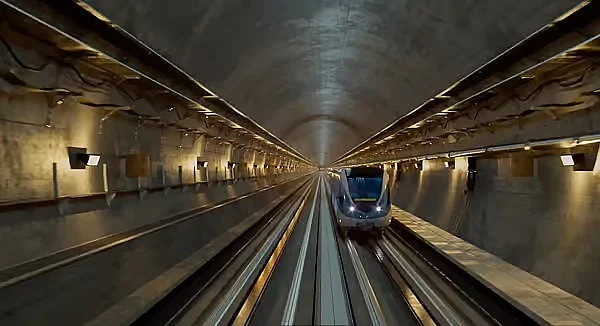
The shift comes as the emirate announces major transport expansion, including the upcoming Dubai Metro Gold Line, which is expected to serve 15 areas and benefit around 1.5 million residents.
Better public transport is making it easier to travel longer distances, bringing areas that once felt too far within reach. “Ensuring an emerging area is well connected will help sway those decisions in favour of more ‘out of the way’ places,” said Mustafa Aldah, an urban planning expert. He added that residents may benefit from lower housing costs or a different lifestyle.
Stay up to date with the latest news. Follow KT on WhatsApp Channels.
From location to connectivity
Real estate experts said that people are now looking beyond just the location and focusing more on how well an area is connected. “It’s no longer just about location in terms of prestige, but about how well-connected a community is to the rest of the city,” said Abdullah Al Shaibani of Alphabeta Properties.
He added that properties near Metro stations often see stronger demand, especially from professionals and young families.
More areas coming into focus
Areas that were once seen as less attractive are now getting more attention as transport links improve. According to experts, a similar trend was seen after the launch of the Red and Green lines, when places like JLT, Dubai Marina and parts of Al Barsha saw increased demand as commuting became easier.
“Improved connectivity tends to unlock value in surrounding districts,” said Al Shaibani, adding that such areas often become more established over time.
Residents balancing cost and commute
For some residents, the decision comes down to balancing rent with travel time. Experts said that with more reliable public transport, some may consider moving farther from central areas if it means getting a bigger home or paying less rent without adding too much to their daily commute.
“Many are now actively prioritising properties within walking distance or a short commute to a metro station, as it directly impacts their daily lifestyle and cost of living,” said Al Shaibani.
Lesser dependability on car
Better connectivity could also reduce the need to rely on cars, allowing some residents to plan their work and home trips around public transport.
Aldah said expanding Metro access could help some residents move towards a more car-free lifestyle, depending on where they live and work. “It could enable residents who want to live a car-free life to plan their residence and work life around this new ideal,” said Aldah.
Gold Line could speed up the shift
With the upcoming Gold Line, scheduled to start operating in 2032, the shift towards newer and more affordable communities could pick up pace.
Based on past trends, Al Shaibani said that these areas are likely to see growing demand as connectivity improves.
ملاحظة تحريرية | Editorial Note: نُشر هذا المقال في الأصل بواسطة Khaleej Times. خبر (Khabr) هي منصة إعلامية أردنية مرخّصة تعمل بالذكاء الاصطناعي. نضيف قيمة تحريرية من خلال: تحليل ذكي للأخبار، ملخصات تلقائية، رواية صوتية بالذكاء الاصطناعي، ترجمة متعددة اللغات، وتدقيق الحقائق. هدفنا جعل الأخبار أكثر وضوحاً وسهولةً للقارئ العربي.
This article was originally published by Khaleej Times. Khabr is a licensed Jordanian AI-powered news platform (Registration #82086). We add editorial value through: AI-powered news analysis, automated summaries, AI audio narration, multi-language translation (Arabic, English, French, Turkish), and AI fact-checking. Our mission is to make news more accessible and understandable for Arabic-speaking audiences worldwide.