ChatGPT 'uncovered woman's rare condition' after years of misdiagnosis
•ChatGPT 'uncovered woman's rare condition' after years of misdiagnosis1 day agoShareSaveAdd as preferred on GoogleDanielle HerbertBBC Wales Phoebe TesorierePhoebe Tesoriere was misdiagn...
•Genetic testing confirmed the diagnosis.Cardiff and Vale University Health Board said: "We are sorry to hear about Phoebe's experience while in our care."GP Dr Rebeccah Tomlinson said i...
•When Phoebe was 19, she collapsed and suffered a seizure at work.But she says doctors told her it was anxiety, which was then added to her medical...
هذا الخبر من BBC Health. خبر يقدم أدوات ذكاء اصطناعي للتلخيص والترجمة والاستماع.
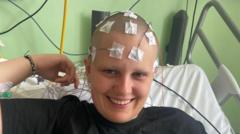
ChatGPT 'uncovered woman's rare condition' after years of misdiagnosis1 day agoShareSaveAdd as preferred on GoogleDanielle HerbertBBC Wales Phoebe TesorierePhoebe Tesoriere was misdiagnosed for four years with a range of health conditions, including anxiety ChatGPT has helped to uncover a woman's rare condition after years of being misdiagnosed by doctors.Phoebe Tesoriere, 23, claims she was told she was anxious, depressed, had epilepsy and warned she'd be treated as a mental health patient if she kept returning to A&E.Following three days in a coma after a seizure, Phoebe, from Cardiff, put her symptoms into the AI chatbot.She said it suggested a number of conditions, including hereditary spastic paraplegia, which Phoebe presented to her GP. Genetic testing confirmed the diagnosis.Cardiff and Vale University Health Board said: "We are sorry to hear about Phoebe's experience while in our care."GP Dr Rebeccah Tomlinson said if people use tools such as AI chatbots to research health concerns, these should then be discussed with a medical professional.A recent University of Oxford study found that people using AI for healthcare advice were given a mix of good and bad responses, making it hard to identify what advice they should trust.Phoebe TesoriereIn June 2025, Phoebe lost all her hair Phoebe understands the challenges the hospital faced diagnosing her, but said she turned to AI after finding the experience "really lonely"."I had to fight to be listened to," she added."All my childhood I had a limp."I was born without a hip socket and had operations as a baby, so thought it was to do with that."She also struggled with her balance as a child and was tested for dyspraxia - a condition which affects physical co-ordination.But she did not have this. When Phoebe was 19, she collapsed and suffered a seizure at work.But she says doctors told her it was anxiety, which was then added to her medical...المصدر: BBC Health | Source: BBC Health
ملاحظة تحريرية | Editorial Note: نُشر هذا المقال في الأصل بواسطة BBC Health. خبر (Khabr) هي منصة إعلامية أردنية مرخّصة تعمل بالذكاء الاصطناعي. نضيف قيمة تحريرية من خلال: تحليل ذكي للأخبار، ملخصات تلقائية، رواية صوتية بالذكاء الاصطناعي، ترجمة متعددة اللغات، وتدقيق الحقائق. هدفنا جعل الأخبار أكثر وضوحاً وسهولةً للقارئ العربي.
This article was originally published by BBC Health. Khabr is a licensed Jordanian AI-powered news platform (Registration #82086). We add editorial value through: AI-powered news analysis, automated summaries, AI audio narration, multi-language translation (Arabic, English, French, Turkish), and AI fact-checking. Our mission is to make news more accessible and understandable for Arabic-speaking audiences worldwide.