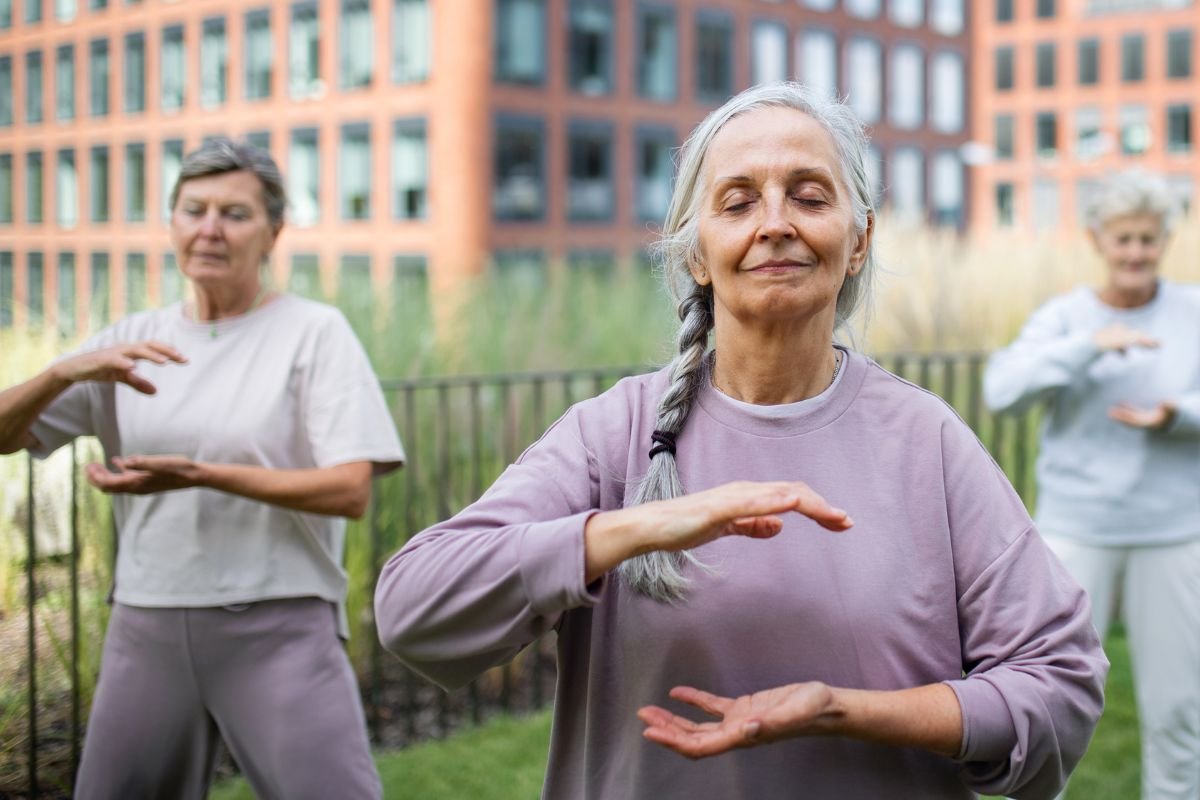
Tai Chi and other traditional Chinese exercises deliver "multidimensional benefits" for individuals suffering from conditions affecting the joints, bones and muscles, a landmark study has concluded.
The research, newly published in the British Journal of Sports Medicine, shows that regular participation in such practices can ease pain, strengthen bone density, and enhance both mental wellbeing and sleep quality.
Roughly 20 million people across the United Kingdom — approximately one in every three — live with musculoskeletal conditions.
These encompass a broad spectrum of ailments, from various forms of arthritis and back or neck pain to osteoporosis and fibromyalgia.

The review was conducted by a team of experts based in China, who examined an extensive body of evidence spanning 92 academic papers that collectively encompassed 1,744 clinical trials.
Beyond Tai Chi, the researchers assessed several other traditional exercise forms, including Baduanjin, Yijinjing, Qigong, Wuqinxi and Daoyin.
Each of these disciplines centres on the interplay between posture, controlled breathing and deliberate movement.
The sheer breadth of the analysis lends considerable weight to its conclusions, offering what amounts to one of the most comprehensive assessments yet undertaken of how these ancient practices affect musculoskeletal health.
The study revealed that these exercises enhanced physical function for those with knee osteoarthritis specifically.
Mental health improvements were observed among patients dealing with both knee osteoarthritis and neck pain, whilst those living with fibromyalgia experienced notably better sleep.
LATEST DEVELOPMENTS:
- Britain first in Europe to launch daily weight-loss pill
- Prostate cancer warning as one diagnosis made every eight minutes
- World-first cancer treatment saves 15ft python with tumour in jaw
Tai Chi stood out as especially effective, having "significantly alleviated" chronic pain and stiffness in participants.
It also bolstered bone density among individuals with osteoporosis and osteopenia — conditions characterised by progressive loss of bone strength.
For optimal results, the research indicated that practitioners should engage in these exercises a minimum of three times weekly, totalling 150 minutes, sustained over a period exceeding six months.
The researchers described their findings as "definitive, high-level evidence" supporting traditional Chinese exercises "as effective interventions" for a range of musculoskeletal conditions.
They characterised Tai Chi as offering "multidimensional benefits" through "improving function, pain, mental health, sleep and bone density with sustained practice".
Please write at least 4 paragraphs

"Traditional Chinese exercises represent a safe, accessible and cost-effective strategy that can complement conventional therapies, reduce pharmacological reliance and empower patients in self-management," the team stated.
Looking ahead, the researchers urged health systems and policymakers to consider embedding these practices in community and primary care settings, arguing that they could be a "strategic component of public health initiatives aimed at healthy ageing and chronic disease prevention".
Our Standards: The GB News Editorial Charter