⚡ عاجل: كريستيانو رونالدو يُتوّج كأفضل لاعب كرة قدم في العالم●⚡ أخبار عاجلة تتابعونها لحظة بلحظة على خبر●⚡ تابعوا آخر المستجدات والأحداث من حول العالم●
AI اقتراحات ذكية
AI مباشر|--مشاهد مباشر
849,133مقال404مصدر نشط224قناة مباشرة4,838خبر اليوم
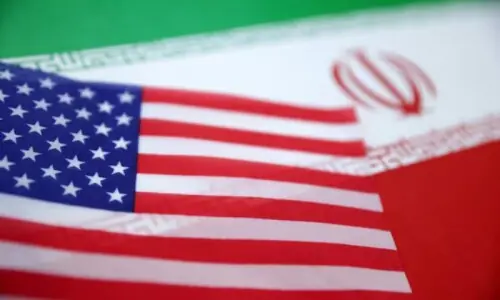
THOUGH the US has extended the Iran ceasefire — thanks largely to effective Pakistani diplomacy to prevent sliding back towards war — the situation in the Gulf remains extremely volatile. Amongst the biggest sticking points are the respective blockades of the Gulf: Iran’s closure of the Strait of Hormuz, and the US blockade of Iranian ports.
Each side is expecting the other to blink first and lift the blockade, and until there is a satisfactory resolution to this issue, it is difficult to see peace talks scheduled in Islamabad going ahead. While Prime Minister Shehbaz Sharif did meet the Iranian ambassador in the capital on Wednesday, at the time of writing there was no indication that Iran had decided on attending talks in Pakistan. Meanwhile, there were reports that the IRGC had seized at least two unauthorised vessels.
Although it would have been preferable if the US had lifted its blockade — and the Iranians had responded by ending their own closure — as a confidence-building measure along with the ceasefire extension, both sides, particularly Iran, should not let this chance at a diplomatic solution lapse. The Hormuz closure is a consequence of the war, not its main cause. The Iranians should consider returning to the table, especially when Pakistan is doing all it can to facilitate successful parleys.
Many of Tehran’s objections are justified; after all it was attacked by the US-Israeli combo, and not the other way around. But negotiations are the only way out of this quagmire, with the other choice being a ruinous return to war, which would be a disaster for the entire region. Iranian negotiators should bring all their points of contention to the table.
There needs to be substantive progress at the talks; they should not be a mere photo opportunity. And while the US is not helping matters by issuing threats to Iran, with President Donald Trump leading the pack with his provocative social media posts, the parties involved should not lose sight of the bigger picture. That remains addressing the core issues that have fuelled this war, and bridging the mistrust between Washington and Tehran as much as possible.
The nuclear issue is not impossible to resolve. But for any resolution, both sides must engage in good faith, and show up at the talks. If the US wants progress on the nuclear file, it must also offer a substantive non-aggression pact, promising not to attack Iran, while restraining its ally Israel.
Presently, much of the world opinion is with Iran, as the international community sees that it was the victim in this conflict. Yet if economic pain due to the blockades in the Gulf intensifies, then that sentiment may shift in the opposite direction, especially if Iran is seen as shunning negotiations.
ملاحظة تحريرية | Editorial Note:
نُشر هذا المقال في الأصل بواسطة Dawn.
خبر (Khabr) هي منصة إعلامية أردنية مرخّصة تعمل بالذكاء الاصطناعي.
نضيف قيمة تحريرية من خلال: تحليل ذكي للأخبار، ملخصات تلقائية، رواية صوتية بالذكاء الاصطناعي، ترجمة متعددة اللغات، وتدقيق الحقائق.
هدفنا جعل الأخبار أكثر وضوحاً وسهولةً للقارئ العربي.
This article was originally published by Dawn.
Khabr is a licensed Jordanian AI-powered news platform (Registration #82086).
We add editorial value through: AI-powered news analysis, automated summaries, AI audio narration, multi-language translation (Arabic, English, French, Turkish), and AI fact-checking.
Our mission is to make news more accessible and understandable for Arabic-speaking audiences worldwide.
هذا الخبر ضمن تغطية خبر لقسم سياسة.
نقدّم لك تحليلات ذكية وملخصات يومية لأهم الأخبار من مصادر موثوقة متعددة.
المصدر: Dawn.
يوجد 6 مقالات مرتبطة بهذا الموضوع.
This article is part of Khabr's coverage of Politics.
We provide AI-powered analysis, summaries, and multi-source aggregation to keep you informed.
Source: Dawn.
Tags: ceasefire, extension.
🍪 نستخدم ملفات تعريف الارتباط لتحسين تجربتك وعرض الإعلانات المخصصة. باستخدامك للموقع، فإنك توافق على سياسة ملفات تعريف الارتباط وسياسة الخصوصية.
We use cookies to enhance your experience and show personalized ads. By using this site, you agree to our Cookie Policy and Privacy Policy.
FREEFree 1GB Internet + Free International Calls
$1 trial — eSIM in 190+ countries — No roaming charges