⚡ عاجل: كريستيانو رونالدو يُتوّج كأفضل لاعب كرة قدم في العالم●⚡ أخبار عاجلة تتابعونها لحظة بلحظة على خبر●⚡ تابعوا آخر المستجدات والأحداث من حول العالم●
AI اقتراحات ذكية
AI مباشر|--مشاهد مباشر
851,404مقال404مصدر نشط224قناة مباشرة4,977خبر اليوم
آخر تحديث:منذ 3 ثواني
Cargo delays, rising costs: How UAE is managing shipping disruption
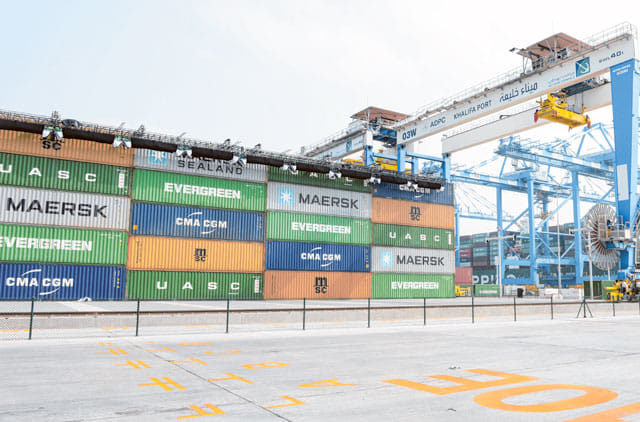
Industry officials said freight costs have surged sharply — in some cases rising four to six times — as shipping lines divert away from traditional routes. This has triggered congestion at alternative ports and increased reliance on road transport.
Sign up for our daily business newsletter, Cheques & Balances.
According to maritime and IMO-linked data, up to ~2,000 ships were affected at peak and about 20,000 sailors are stranded at sea as the US-Israel- Iran war enters its 67th day.
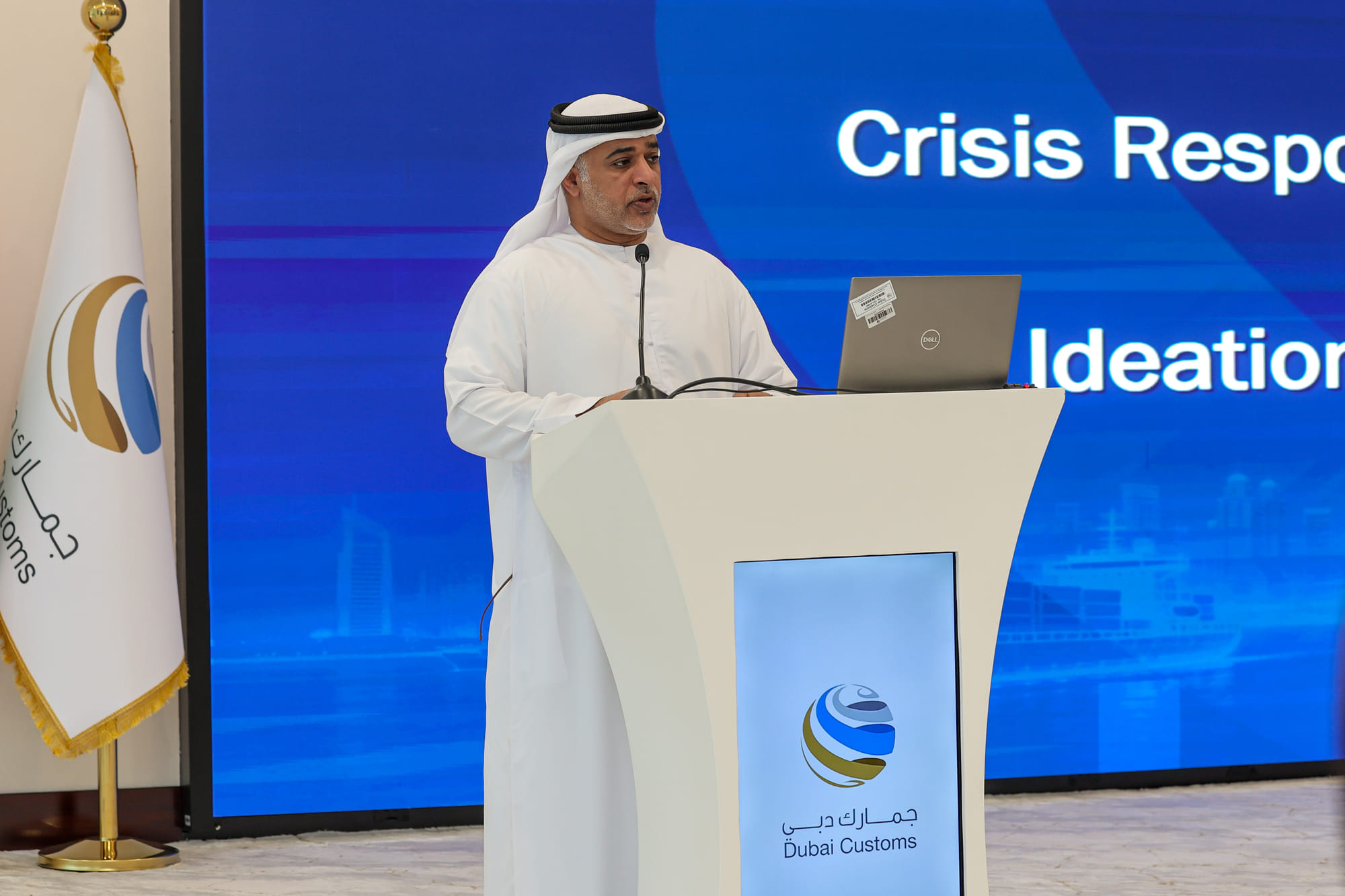
Rashid Darwish Almuhairi, Senior Consultant at Dubai Customs, said the challenges span global, regional and local levels, with rising fuel costs, insurance premiums and operational risks adding to pressure on the sector.
Shipping line disruptions have also led to capacity mismatches, as vessels shift to ports that are not equipped to handle the volumes handled by major hubs like Jebel Ali.
“Because of this disruption, the shipping lines are following other ports… the mismatch of capacity is the biggest challenge,” Almuhairi said.
Rashid Darwish Almuhairi, Senior Consultant Customer Service Development - Dubai Customs addressing dellegates duirng a workshop bringing together freight forwarders in Dubai, as part of its ongoing efforts to strengthen collaboration across the logistics ecosystem and respond to the evolving dynamics of global trade and supply chains .
Cargo diversions, congestion, tracking gaps
With cargo increasingly diverted to ports across the region — including Fujairah, Khor Fakkan and Sohar — the cargo clearance is facing bottlenecks.
Ports are experiencing congestion and delays, while traders are grappling with limited visibility on shipments due to multiple stakeholders are involved in handling of cargo across different locations.
“There is a visibility gap, and traders sometimes are not able to track where the container is at the moment,” Almuhairi added.
The shift has also increased cross-border trucking, leading to higher land transport costs and a shortage of available trucks. Regulatory hurdles across borders and the need to coordinate among multiple customs authorities have added further complexity.
Dubai Customs steps in with emergency measures
In response, Dubai Customs has rolled out a series of measures to maintain the flow of goods.
These measures include:
Opening a green corridor between the UAE and Oman for cargo movement
Extending transit timelines from 30 days to 90 days
Allowing cargo diversion through multiple ports with revised clearance processes
Setting up a one-stop shop for traders to resolve issues with stakeholders
Conducting over 25 workshops with more than 300 industry participants
Dubai Customs has also coordinated with customs bodies in Oman and other GCC countries to streamline cross-border movement.
“We engaged Sharjah customs, Oman customs… and facilitated the flow of the cargo,” Almuhairi said.
As per the government policy, initially focus was to ensure smooth import flow of the essential commodities such as food and medicine, especially during the peak of disruption.
Almuhairi added, “The prioritisation of the essential goods is to ensure the availability of the required stock in the market.”
He added that these steps helped prevent shortages and ensured shelves remained stocked despite delays.
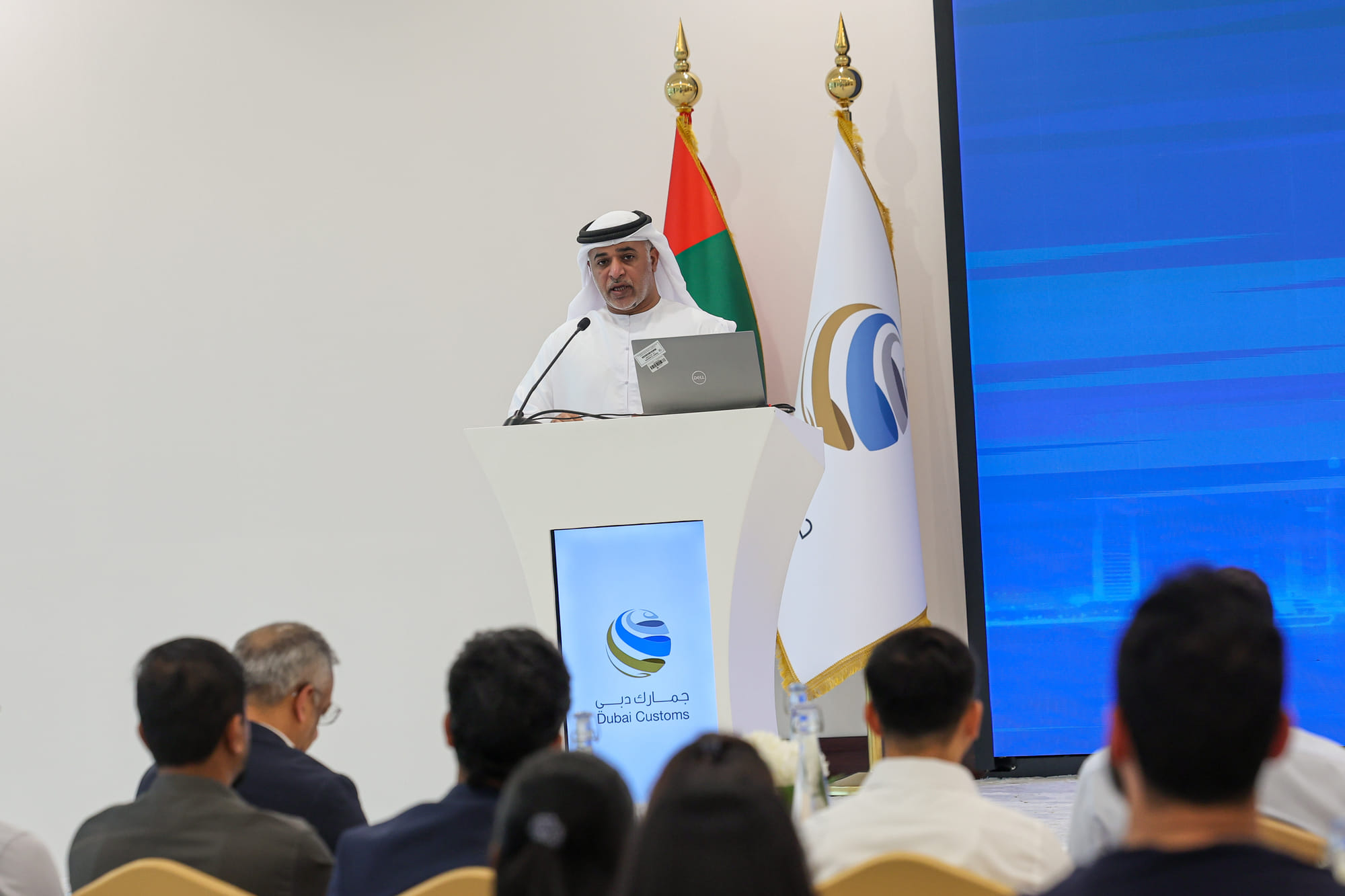
Rashid Darwish Almuhairi, Senior Consultant Customer Service Development - Dubai Customs addressing dellegates duirng a workshop bringing together freight forwarders in Dubai, as part of its ongoing efforts to strengthen collaboration across the logistics ecosystem and respond to the evolving dynamics of global trade and supply chains .
Industry seeks clarity on processes
Shipping agents say while measures have helped, operational challenges remain — particularly around documentation, container movement and inter-port coordination.
The Dubai Shipping Agents Association said members are seeking clearer procedures for transit shipments, bonded cargo movement and customs documentation.
“Members are looking for more clarity and flexibility around bill of entry amendments and cancellations,” Ghaya AlMansoori, general manager of the association.
Limited tracking visibility, container-handling delays, and inconsistent procedures across ports have also been flagged as key concerns.
Costs rise as delays persist
The disruption is also having a direct financial impact on the sector.
Shipping agents highlighted additional costs, including storage, demurrage and storage charges, particularly when delays are outside their control.
At the same time, congestion at smaller regional ports — which lack the capacity of Jebel Ali — has led to longer waiting times for vessels.
“Just to be allowed to enter into a terminal… will take approximately 10 days,” Almuhairi said, referring to delays caused by congestion.
Air freight and road transport step in
With disruptions affecting sea and air routes, alternative logistics solutions have been deployed.
Cargo has been rerouted via neighbouring countries, with road transport linking to airports in Oman to maintain air freight connectivity during flight disruptions.
“The other option was to move it by road to… an airport in Oman, where it will leave from there,” Almuhairi said.
Systems remain stable
Despite the operational challenges, Dubai Customs said its core systems remain unaffected.
Clearance processes continue to operate digitally, with the majority of declarations processed within seconds.
“98 per cent are auto-approved within seven seconds,” Almuhairi said.
He added that once disruptions ease, operations are expected to normalise quickly, with the main challenge being the backlog at ports and among shipping operators.
Shipping agents say the sector is gradually adapting to the new reality, even as uncertainty persists.
While challenges remain, both authorities and industry players say ongoing coordination and policy adjustments will be key to ensuring supply chain continuity in the months ahead.
ملاحظة تحريرية | Editorial Note:
نُشر هذا المقال في الأصل بواسطة Gulf News.
خبر (Khabr) هي منصة إعلامية أردنية مرخّصة تعمل بالذكاء الاصطناعي.
نضيف قيمة تحريرية من خلال: تحليل ذكي للأخبار، ملخصات تلقائية، رواية صوتية بالذكاء الاصطناعي، ترجمة متعددة اللغات، وتدقيق الحقائق.
هدفنا جعل الأخبار أكثر وضوحاً وسهولةً للقارئ العربي.
This article was originally published by Gulf News.
Khabr is a licensed Jordanian AI-powered news platform (Registration #82086).
We add editorial value through: AI-powered news analysis, automated summaries, AI audio narration, multi-language translation (Arabic, English, French, Turkish), and AI fact-checking.
Our mission is to make news more accessible and understandable for Arabic-speaking audiences worldwide.
هذا الخبر ضمن تغطية خبر لقسم اقتصاد.
نقدّم لك تحليلات ذكية وملخصات يومية لأهم الأخبار من مصادر موثوقة متعددة.
المصدر: Gulf News.
يوجد 6 مقالات مرتبطة بهذا الموضوع.
This article is part of Khabr's coverage of Economy.
We provide AI-powered analysis, summaries, and multi-source aggregation to keep you informed.
Source: Gulf News.
Tags: shipping, disruption, UAE.
🍪 نستخدم ملفات تعريف الارتباط لتحسين تجربتك وعرض الإعلانات المخصصة. باستخدامك للموقع، فإنك توافق على سياسة ملفات تعريف الارتباط وسياسة الخصوصية.
We use cookies to enhance your experience and show personalized ads. By using this site, you agree to our Cookie Policy and Privacy Policy.
FREEFree 1GB Internet + Free International Calls
$1 trial — eSIM in 190+ countries — No roaming charges