Dubai: As more students in the UAE look for faster routes into the workforce, fast-track degrees and accelerated learning programmes have been gaining renewed attention. From compressed undergraduate courses to intensive professional certifications, shorter academic pathways are being positioned as an alternative to traditional multi-year university education.
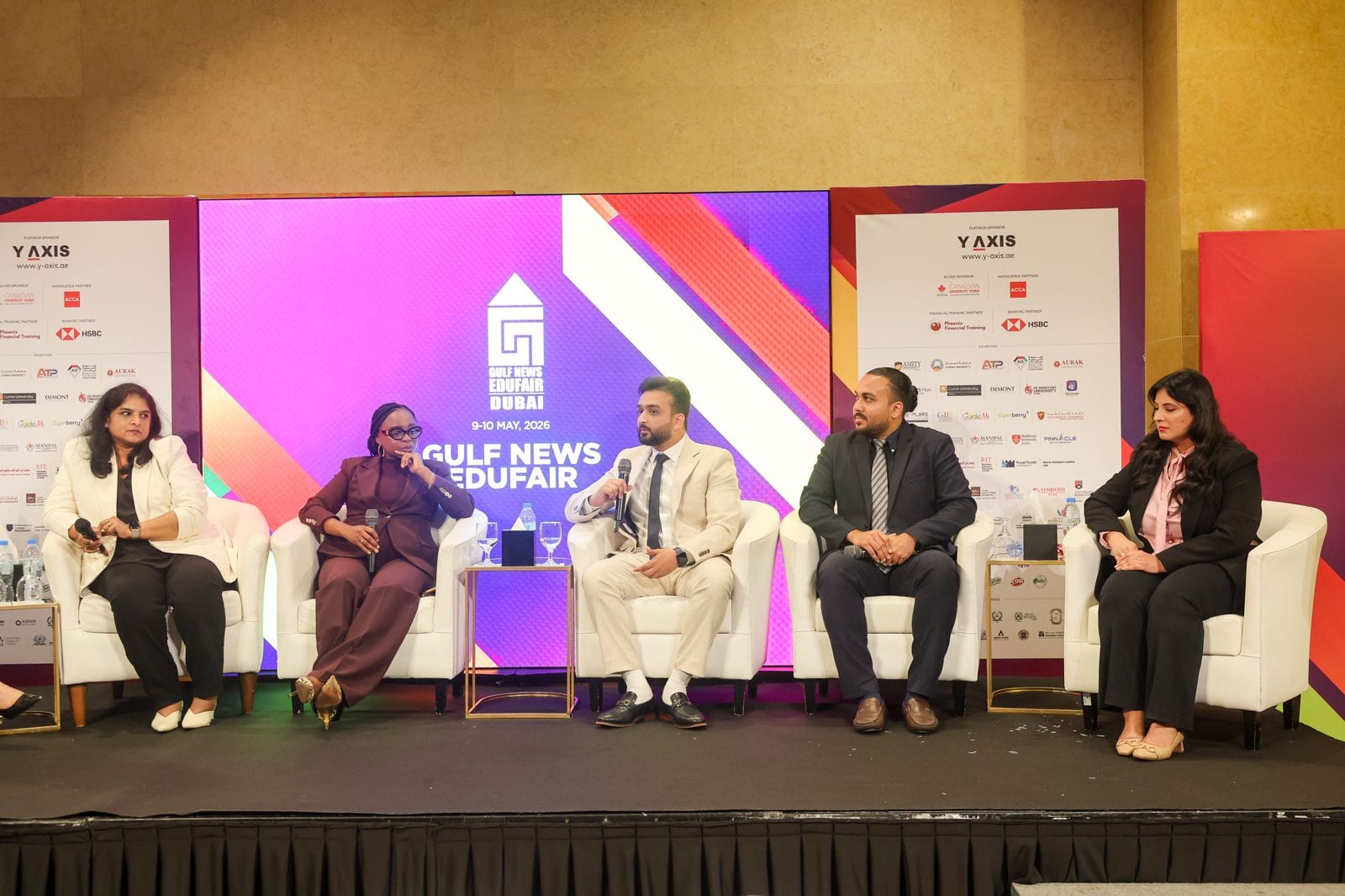
At the 10th edition of Gulf News Edufair, education leaders and industry professionals came together to discuss whether these accelerated routes can truly deliver the same value as conventional degrees during a panel titled “Fast-track degrees: Cutting time, not corners.”
The discussion has focused on how such programmes are structured and whether students risk sacrificing depth of learning in exchange for speed.
Get updated faster and for FREE: Download the Gulf News app now - simply click here.
Fast-track education reshaping student choices
Experts have noted that shifting job market demands and the growing need for practical skills are pushing more students towards shorter, more focused qualifications.
Fast-track programmes have been designed to “condense” learning into shorter timeframes while maintaining core academic and professional standards. These include accelerated degrees, vocational training, and industry-aligned certifications aimed at improving employability.
Focus on core subjects
Dr. Bindu Nair, assistant dean at Demont Institute of Technology and Management, has explained how accelerated programmes are designed to maintain academic rigour despite shorter durations.
“The uniqueness is the focus on core subjects. We are focusing on key modules that gives them an edge,” said Nair, noting its difference from traditional programmes where there are a lot of general courses.
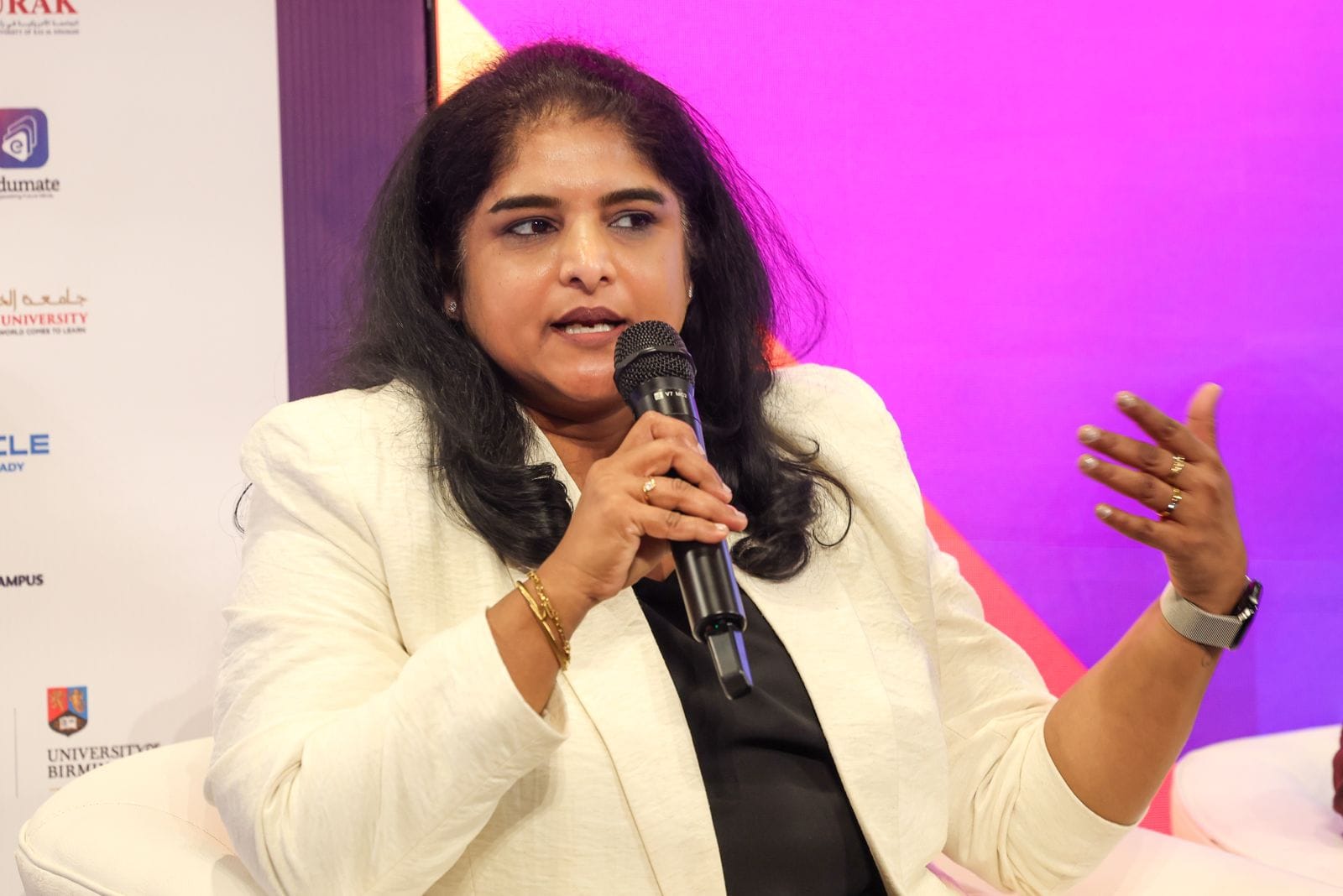
She has highlighted that while fast-track pathways can be effective, they require high levels of discipline and commitment from students to keep pace with intensive study schedules.
“These programmes involve a lot of work because you try to condense years of learning. You have to ask yourself, do I want to get academic knowledge or do I want to be workplace ready?”
Recognising prior learning
Tariro Masukume, education relationships lead at Association of Chartered Certified Accountants (ACCA), has discussed how professional qualifications are becoming more aligned with workplace demands, helping students build targeted skills that improve career readiness.
“I don’t think there is a short cut, these are accelerated routes. They recognise prior learning, it is highly flexible, and supported by an end to end process. Hopefully, it meets people’s needs while making sure prior learning is taken into account,” shared Masukume.
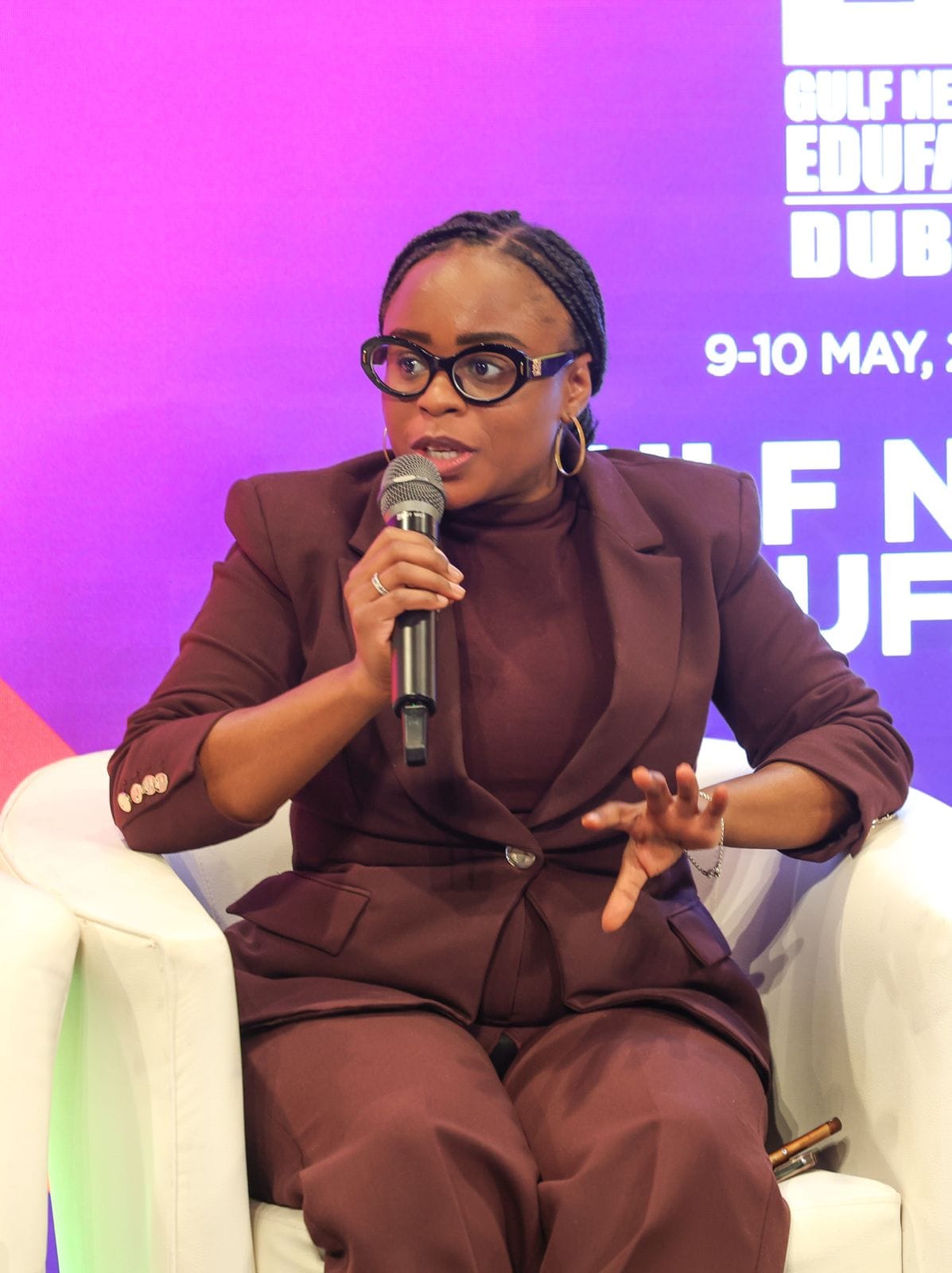
She has also mentioned that things change at a rapid phase and there has to be an element of “forging your own direction.”
“We need to prepare people on the workplace and recognise the need for the fundamentals to apply that. We want to make sure that we have the applied knowledge and skills, and that we are able to validate the workplace competencies and have the ethical standards for the way of work.”
Acceleration doesn’t mean compromise
Huzefa Hydrie, ACCA lead and senior manager at PwC Academy Middle East, has bared that employer expectations are shifting, with greater emphasis on practical experience, adaptability, and job-ready skills rather than the length of academic study.
“It is not about how quickly you will finish the qualification but about how quickly you can get employed. We train them to have the right sets of skills to equip them when they enter the market,” explained Hydrie.
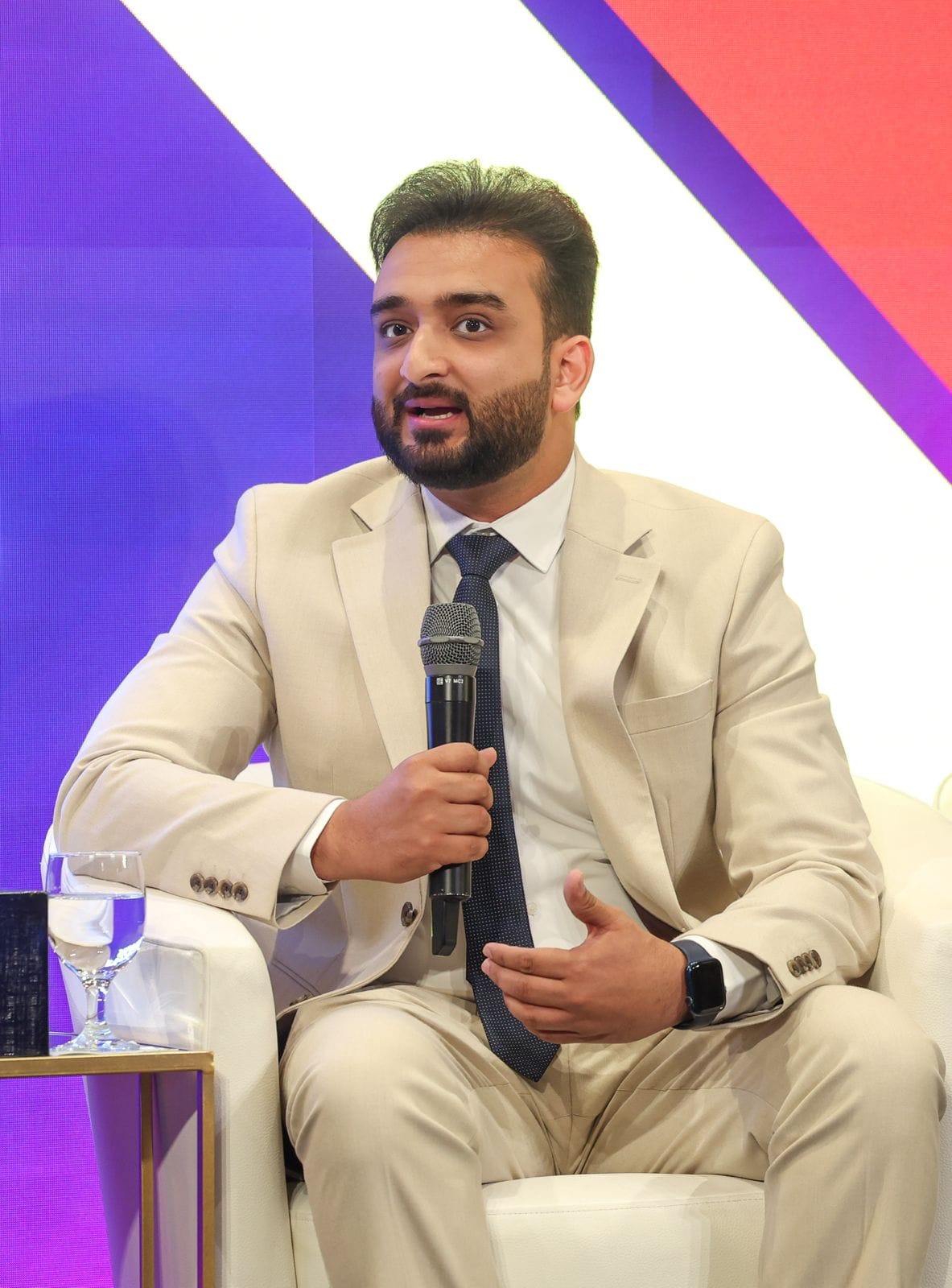
Moreover, he has stressed that acceleration does not mean compromising on the technical knowledge but rather making students more “employable and job ready.”
“It doesn't mean that when you have two years of learning, compared to those with four years, is you have lesser education. No one will come asking about your diploma, they want to get the work done.”
One size does not fit all in education pathways
Sanjay Sagar, senior lecturer at Phoenix Financial Training, has emphasised that accelerated learning is best suited for self-driven students who are clear about their career direction and comfortable with fast-paced academic environments.
“Professional courses give your more flexibility on going in your own phase and then you can pick your specialisation,” said Sagar.
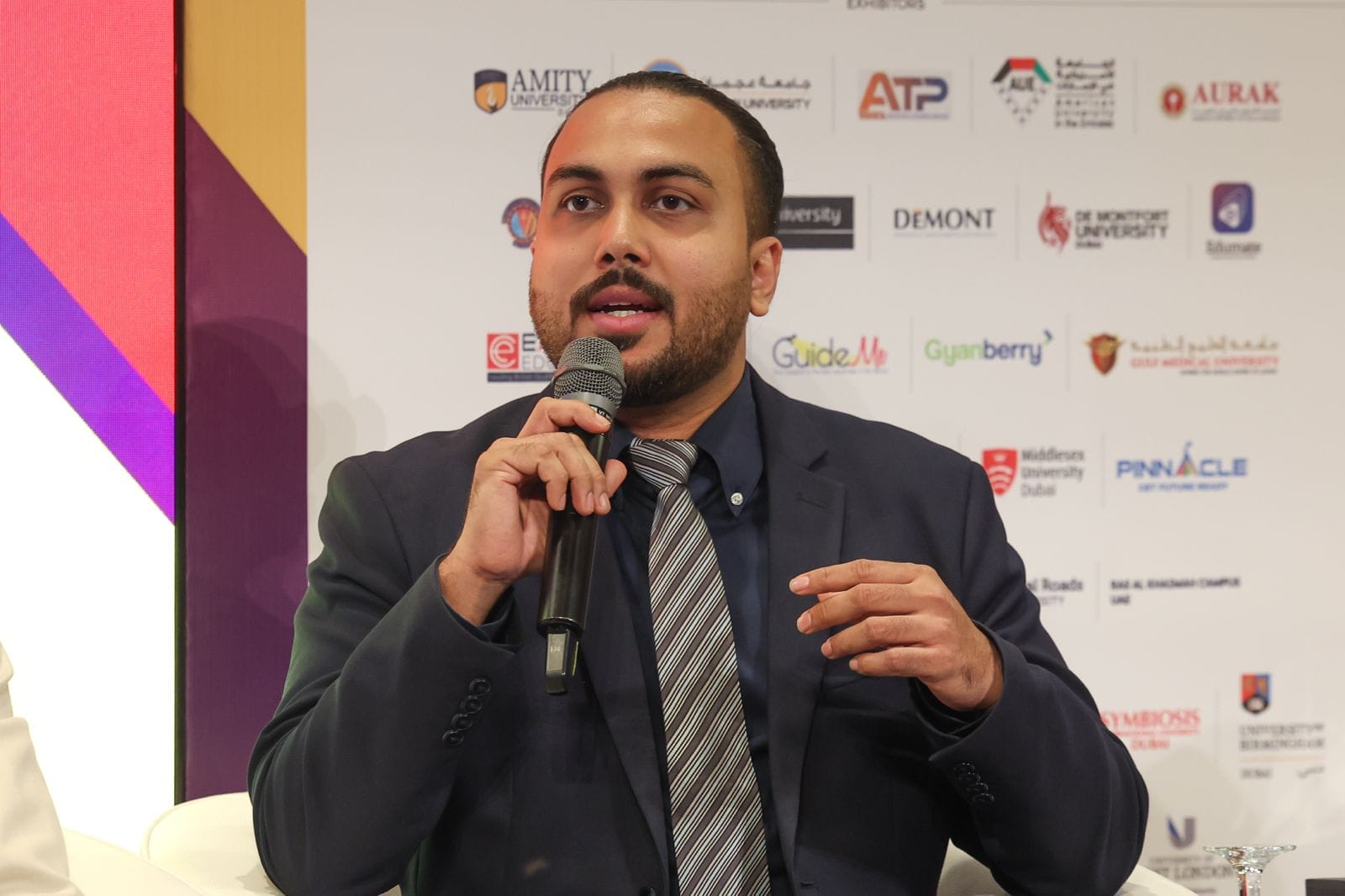
He has cautioned that students should carefully assess whether such programmes align with their learning style, academic readiness, and long-term ambitions.
“There's no one size fits all. Everybody has a different phase of learning and you have to be ready to put on the work. It is a journey that involves a lot of sacrifices but is gratifying at the same time.”
Practical application of theories
Puja Kewalramani, business programme leader at Explore Education Dubai, has pointed out that fast-track programmes do not compromise the quality of education and skills set.
“It is not just being theory heavy but about skills development. We focus on showing the connection between these theories and how to apply them with scenario based assessments,” stated Kewalramani.
Additionally, she has described vocational training as the “absolute holistic skills development” that can be applied in any workplace.
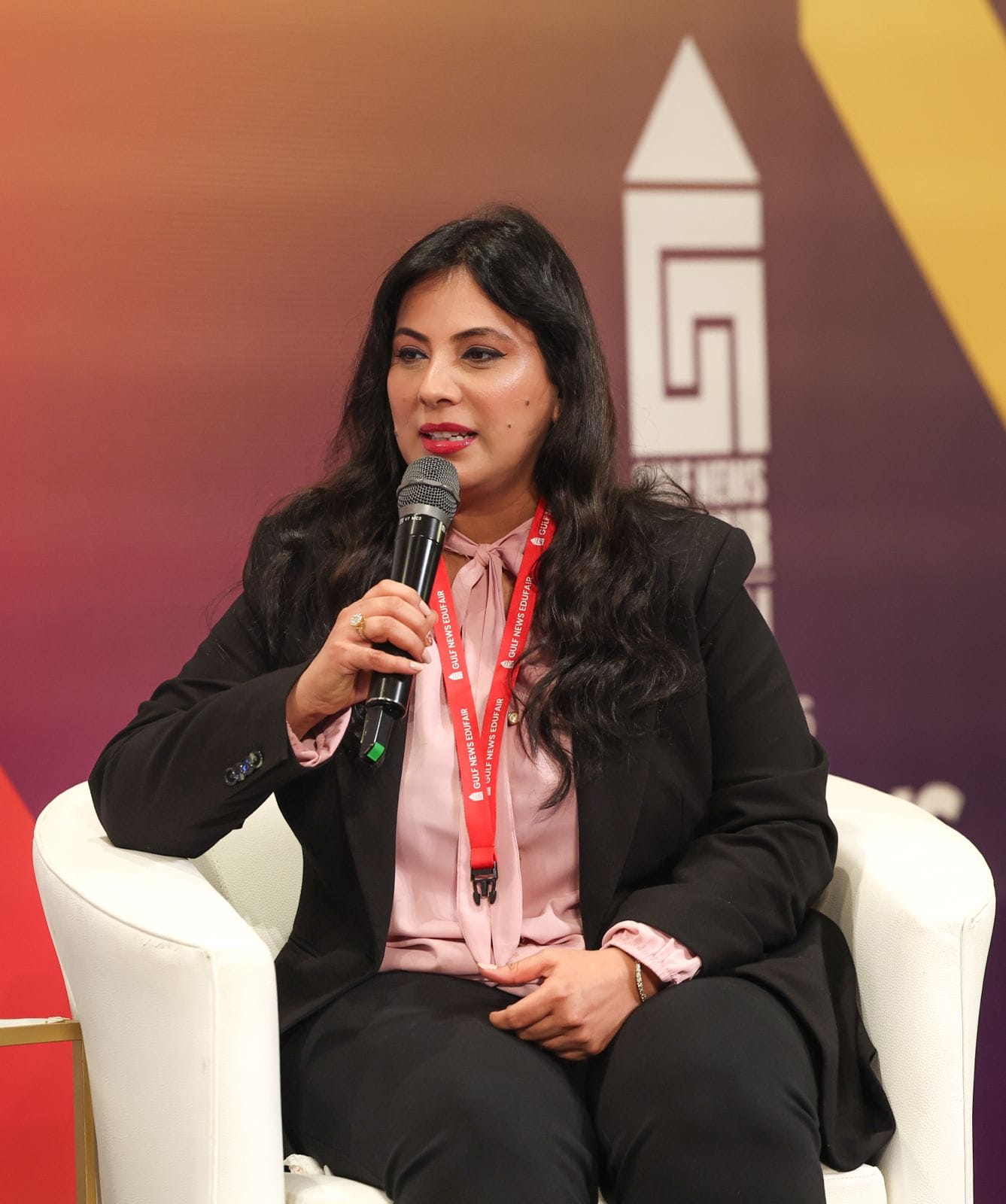
“We are making sure that the depth is not lost. Every mind is like a sponge, so it's more about how each individual takes it positively.”
Whether accelerated programmes can deliver the same value as traditional university degrees depends on individual goals, programme quality, and how well students are able to adapt to intensive learning environments.