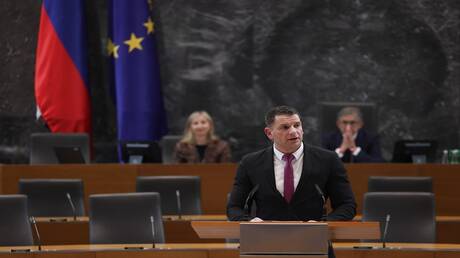
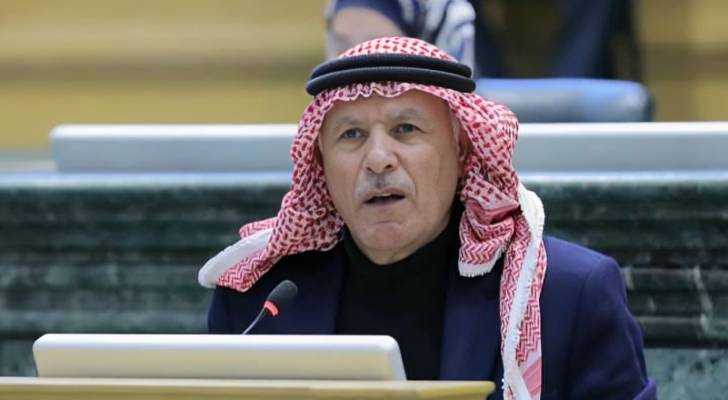
Andy Burnham had to use his prime-time TV moment to achieve two things: show the country he can be a statesman on a par with Sir Keir Starmer, but maintain his doorstep, everyman appeal for the voters of Makerfield and the Labour party membership.
His refusal to wear a shirt collar may lose him points on the former, but his words on BBC’s Question Time will have boosted the latter.
It is not exactly a secret that Burnham wants to challenge Starmer for leader, but he has finally confirmed that, if or when there is a contest, he will stand alongside Wes Streeting and potentially the Prime Minister himself.
But there was also a proper retail offer of a policy floated for voters both in Makerfield and across the country: the mayor revealed he is looking at increasing the income tax personal allowance – a sure-fire winner on the doorstep.
Starmer and Rachel Reeves have been under fire for freezing income tax and National Insurance thresholds, which have dragged many more people into paying higher bands.
In the debate, Burnham said: “I’ve heard on so many doorsteps and I’ve said to my team, let’s have a proper look at this and let’s develop a policy.”
If Burnham wins Makerfield, and indeed the Labour contest, he will find it is not so easy to pledge vote-winning policies without a fully costed plan to pay for them.
But with his four fellow by-election candidates on the panel only vying to be the next MP for the Greater Manchester seat, the mayor had to strike out and appeal to the country at large.
There was a statesmanlike moment, when – referring to the violent protests that have been triggered by the murder of Henry Nowak, and that followed Nigel Farage’s call for “pure cold rage” – Burnham appealed for calm.
He said: “And this is a moment for the country to step back from that and start finding common ground again.”
The problem for Burnham was that Reform’s candidate Rob Kenyon adopted a similar tone. In contrast to his leader, who declined during PMQs this week to condemn the violent protests in Southampton, Kenyon was happy to “100 per cent condemn the violence, violence is not the answer to this”.
In fact, both Burnham and Kenyon steered clear of a major confrontation with each other.
It was left to the Green candidate, Sarah Wakefield, to call out Kenyon’s past comments on being a self-confessed sexist and that abortion was a “cowardly act of murdering a defenceless baby”.
Clearly it was Burnham’s strategy not to get engaged in any figurative political street-fighting, if he is auditioning for No10.
Kenyon, a plumber who lives locally in Makerfield, made his pitch to have more “normal people” in politics – in a clear swipe at Burnham’s previous ministerial jobs in the governments of Tony Blair and Gordon Brown and was an adviser in Downing Street.
Burnham tried to play up his past nine years outside of Westminster as mayor, claiming that during that time “my connection with people has improved” and adding: “And what I would say is that approach, a more collaborative politics, a more, if you like, long term approach to solving the country’s problems needs to be taken from here, Greater Manchester and taken down there, a fundamental change in Westminster to restore the public’s trust.”
It was a powerful pitch at a time when politics is full of anger and backbiting. But by floating a possible tax cut to voters, has he made a promise he might struggle to keep?