June 8 marks the 18th World Oceans Day and China's 19th National Ocean Awareness Day. The theme for World Oceans Day 2026, "Reimagine," calls for a new relationship with the ocean.
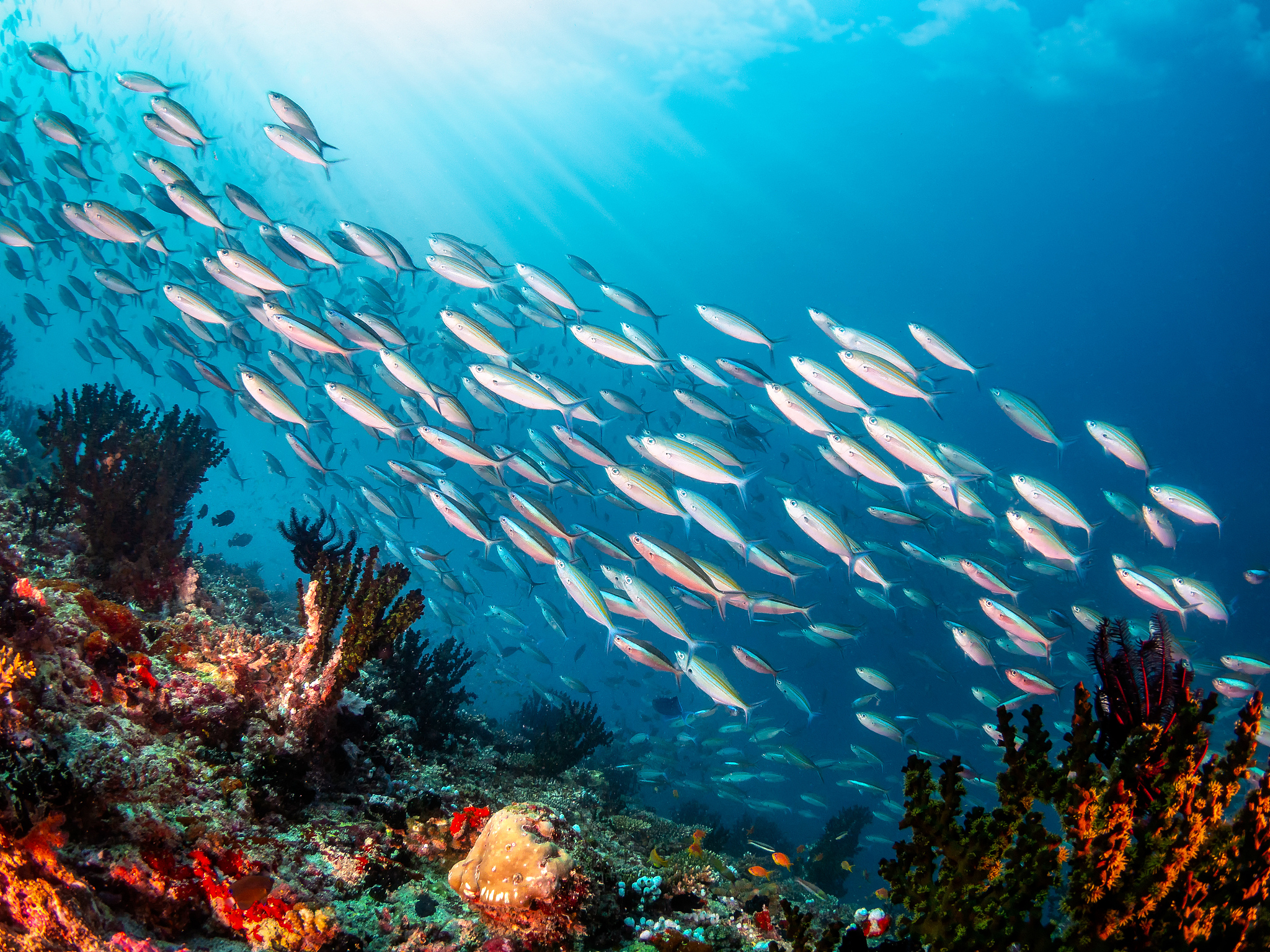
According to the United Nations, the ocean covers more than 70% of the planet, produces at least half of the Earth's oxygen, provides a primary source of protein for more than 1 billion people, and absorbs around 30% of human-generated carbon dioxide.
As countries seek more sustainable ways to use marine resources, technological innovation is increasingly linking ocean conservation with economic development.
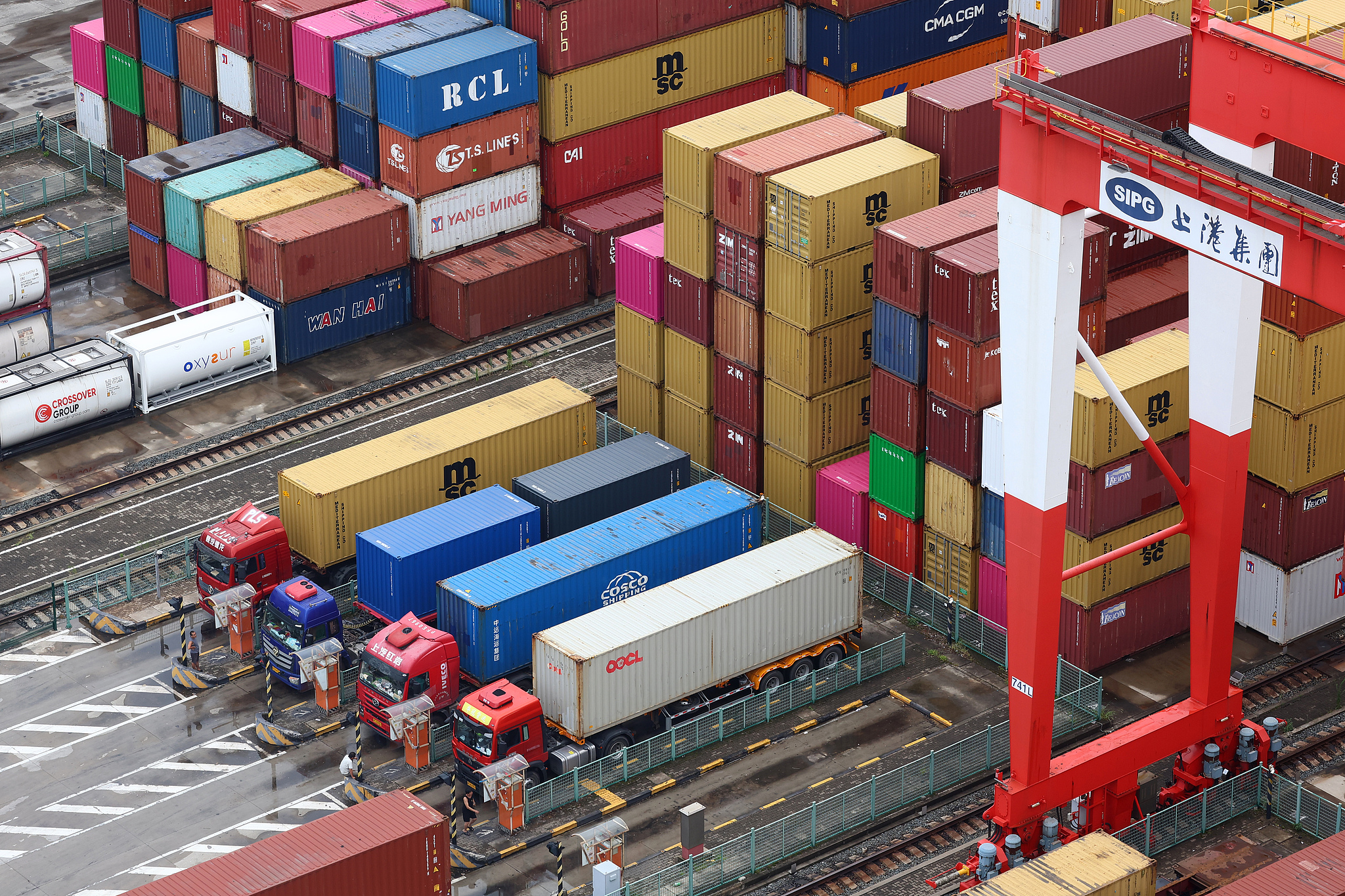
In March, Qiushi Journal published an article by Chinese President Xi Jinping on promoting the high-quality development of the marine economy. The article stressed the need to efficiently utilize marine resources, advance marine science and technology, and "forge a Chinese path of leveraging marine resources to achieve strength" while balancing development and environmental protection.
China's gross ocean product reached 11.02 trillion yuan (about $1.6 trillion) in 2025, accounting for 7.9% of the country's GDP, according to data by the Ministry of Natural Resources.
Green marine industries have also continued to expand.
China's newly connected offshore wind power capacity grew by more than 60% year on year in 2025, highlighting the role of clean energy in the country's marine economic transformation.
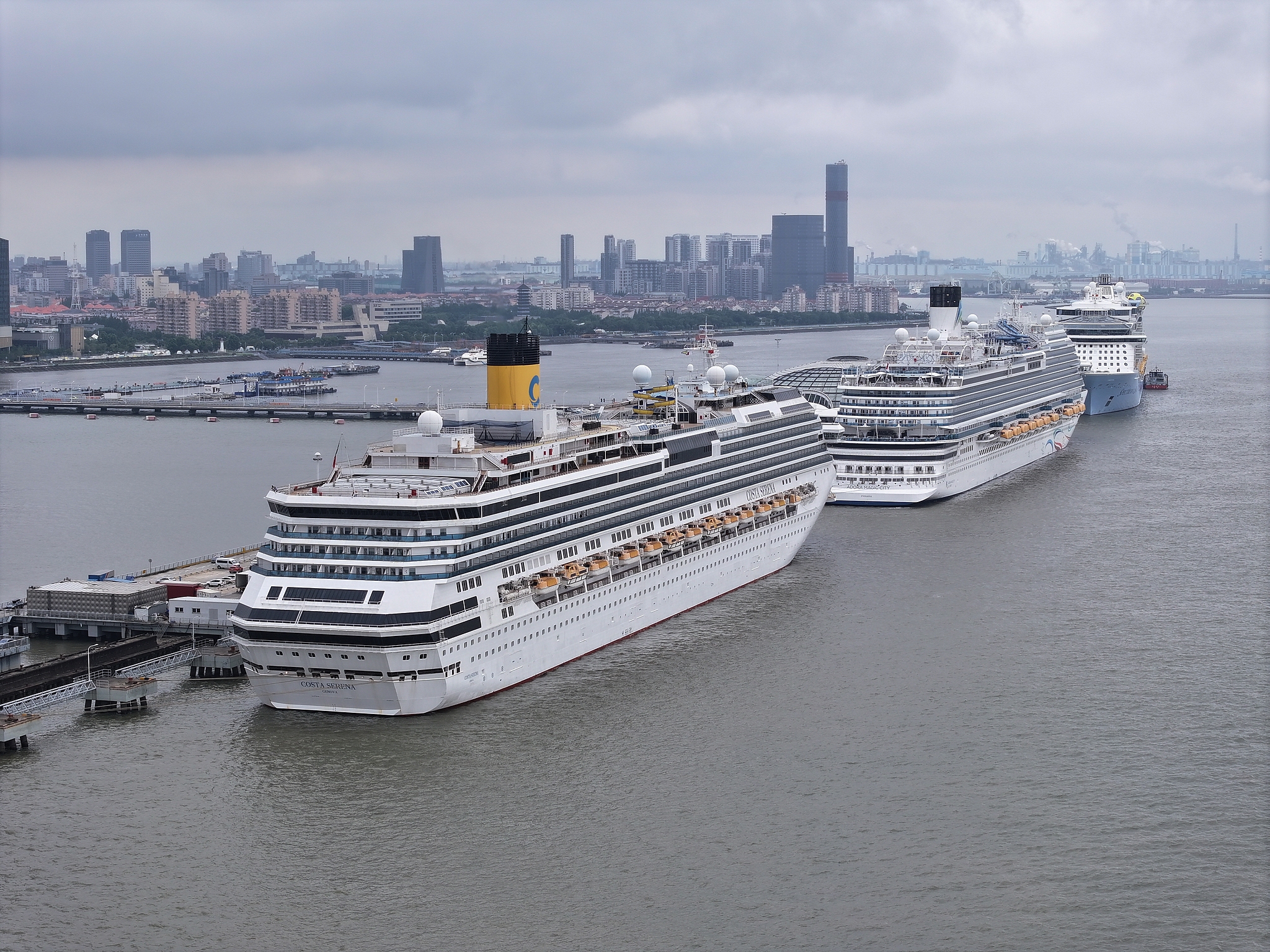
Growth in the marine economy is also being driven by the recovery of ocean-related services.
In 2025, the added value of China's marine tourism industry exceeded 1.6 trillion yuan, up 5.9% year on year. Cruise passenger traffic increased by 25.3%, highlighting the vitality of coastal tourism and ocean-based consumption.
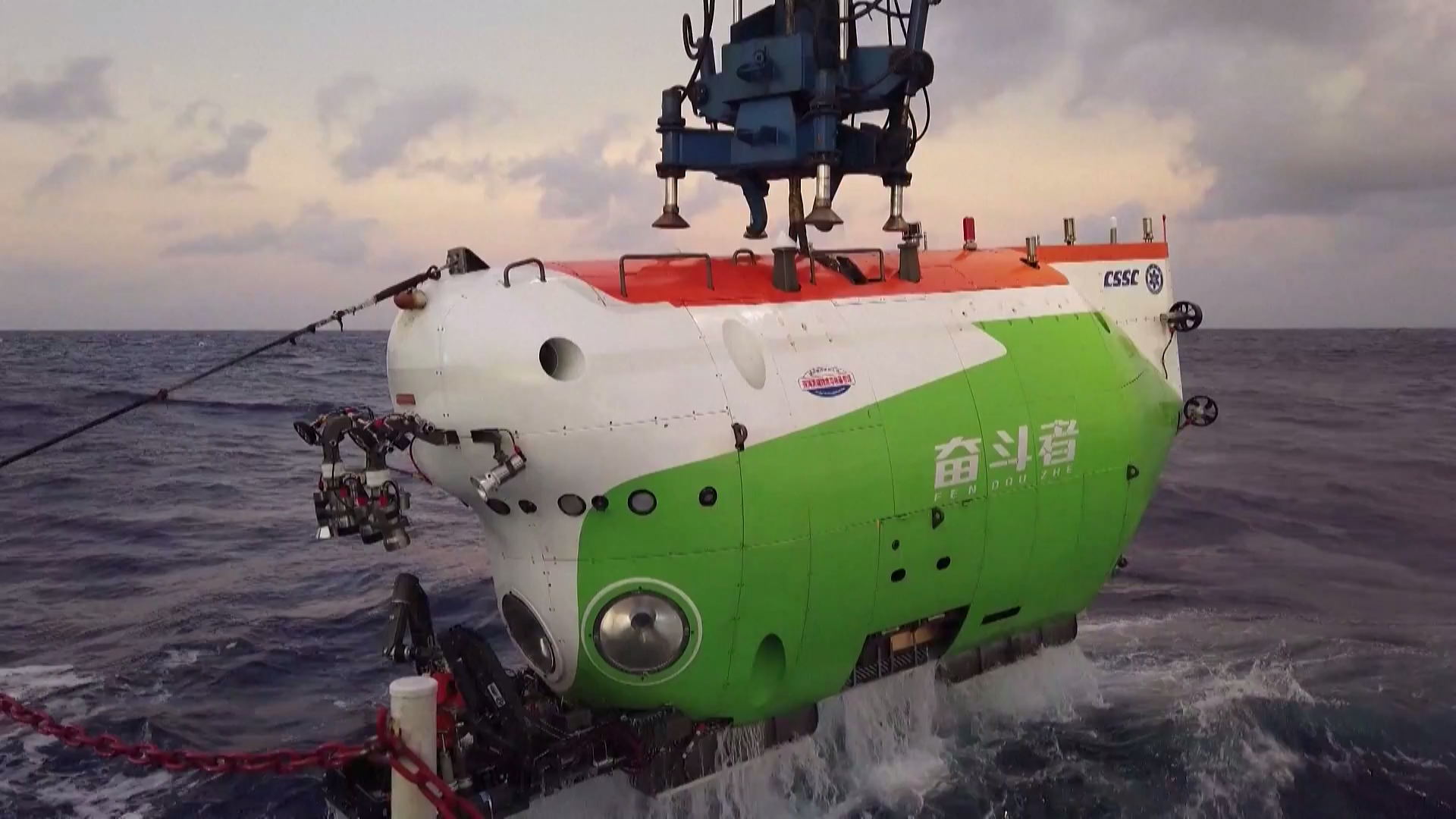
That momentum was evident at OCEANS 2026 Sanya, held in south China's Hainan Province in May.
The conference gathered more than 700 scientists, engineers and young scholars from 26 countries and regions. More than 400 technical papers explored topics ranging from deep-sea exploration to underwater sensor networks and marine energy.
The conference also highlighted Hainan's progress in deep-sea equipment, marine communications, offshore aquaculture and ecological conservation.
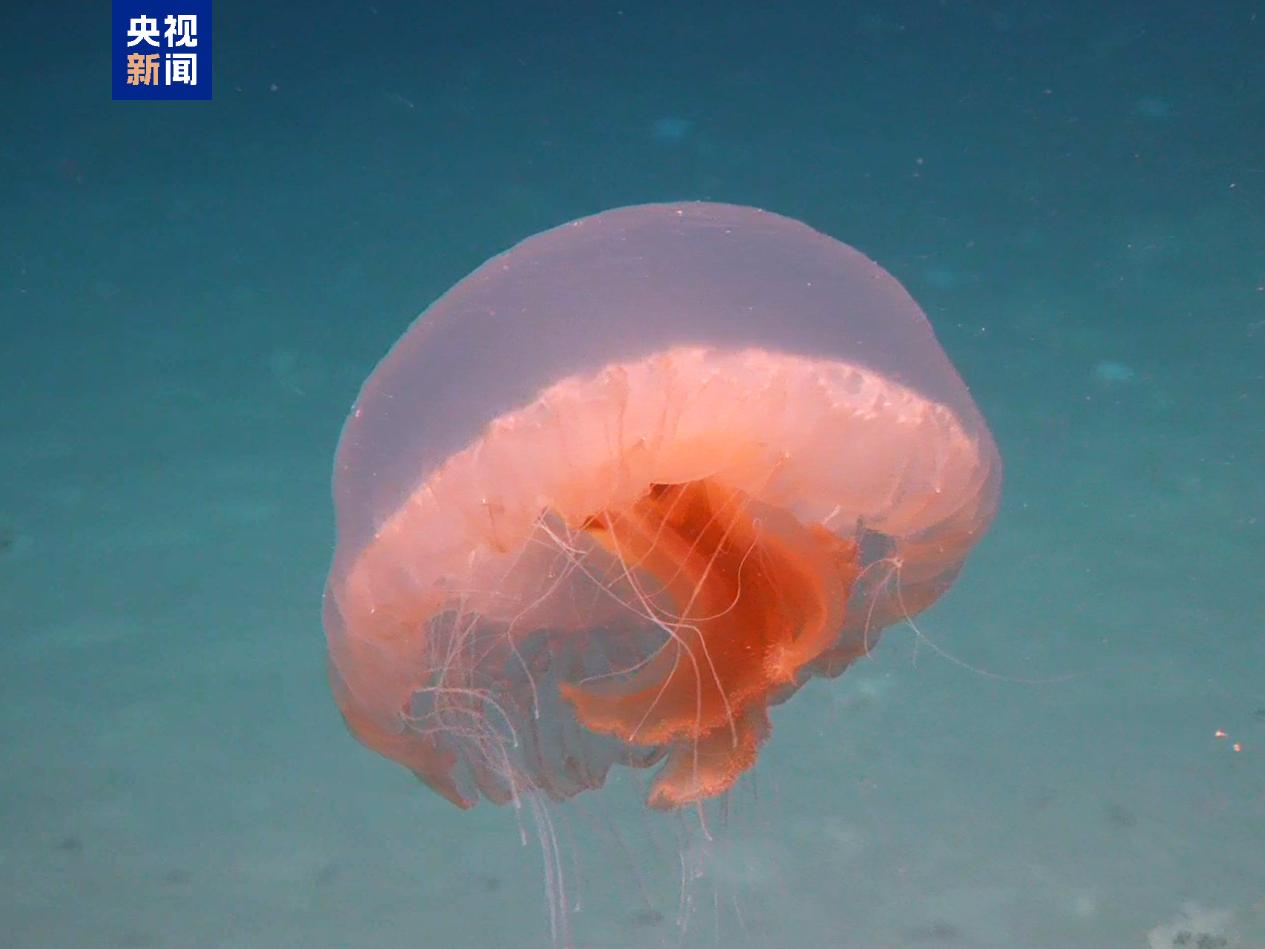
International cooperation has also become an important part of ocean science.
In Sanya, the fourth workshop organized by the International Seabed Authority-China Joint Training and Research Centre gathered participants from developing countries across Africa, Asia-Pacific, Latin America and the Caribbean.
Since its establishment in 2020, the center has trained 120 specialists from more than 40 countries in deep-sea science, marine spatial planning and environmental management, reflecting China's continued engagement in global ocean governance and capacity building.
Research efforts are also contributing directly to marine conservation. A team from Ocean University of China has restored and conserved more than 20,000 mu (about 1,300 hectares) of seagrass beds in the Yellow Sea and Bohai Sea, helping establish a relatively complete restoration framework for temperate seagrass ecosystems.
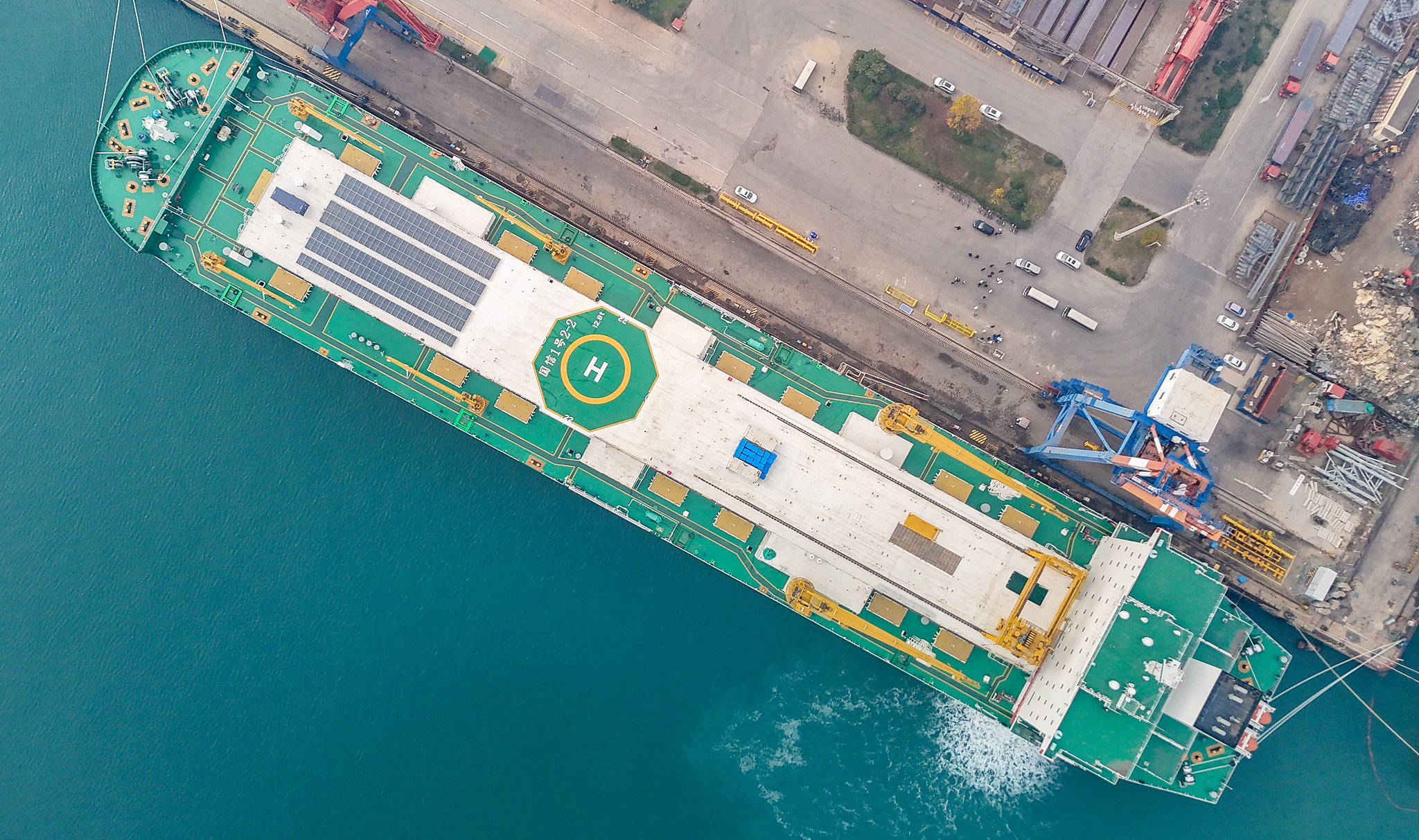
As marine technologies move from laboratories into industrial applications, offshore aquaculture is becoming a key pillar of China's "Blue Granary" initiative. Near Guangdong's Guishan Island, the Gesheng No. 1 platform has expanded its farming capacity to 30,000 cubic meters while requiring only three staff members for daily operations.
Intelligent sonar systems, automated feeding and environmental data models have helped achieve survival rates of more than 98% for newly stocked fish.
Meanwhile, Suhai-1, the world's first roving salmon and trout aquaculture vessel, is capable of producing up to 8,000 tonnes of premium salmon annually, demonstrating new possibilities for intelligent offshore farming.
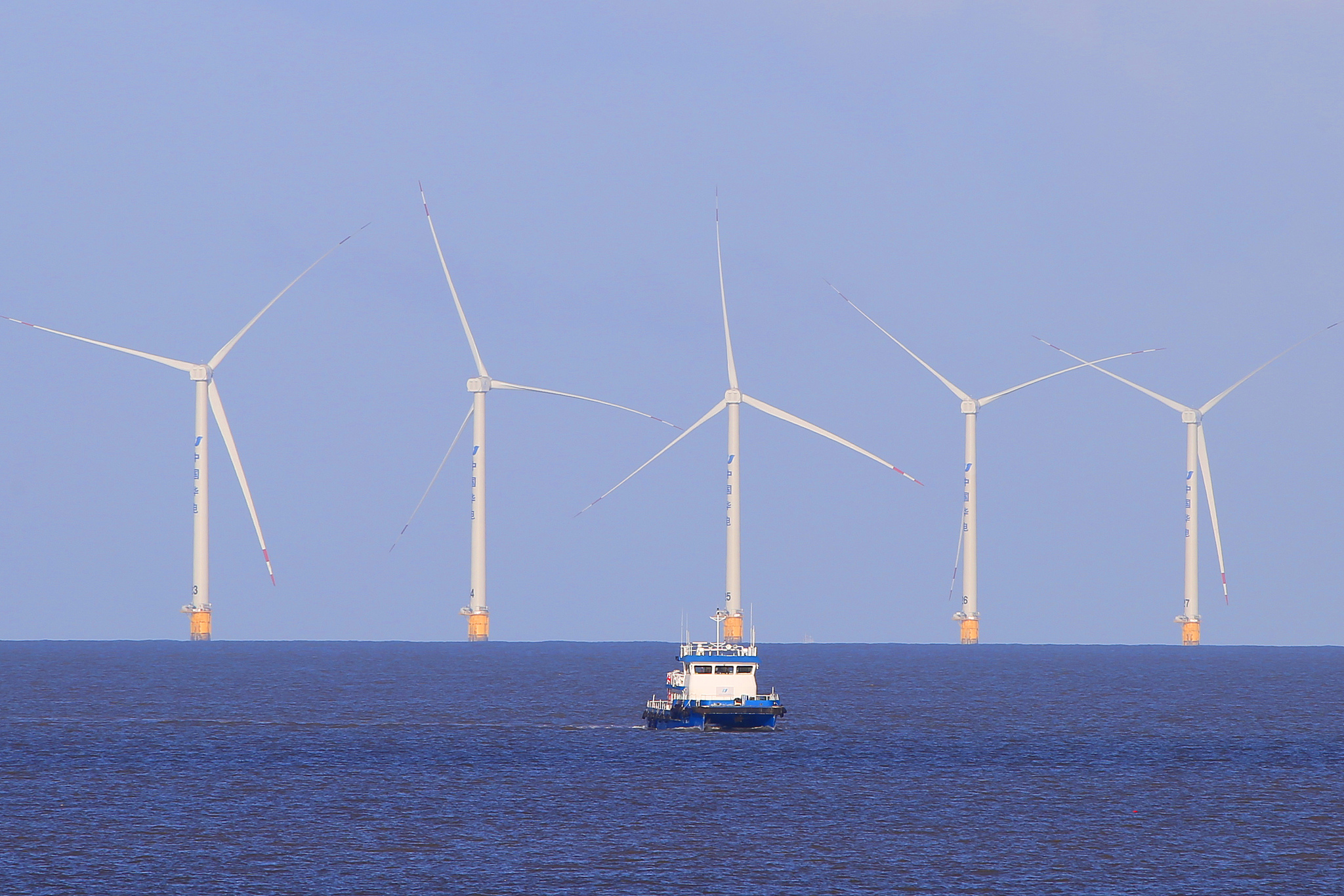
The theme of World Oceans Day 2026 encourages people to rethink their relationship with the ocean, not only as a source of resources but also as a vital ecosystem linked to humanity's future.
Efforts in marine technology, offshore development and international cooperation are showing how China is pursuing more sustainable use of ocean resources.
As new innovations continue to move from research into real-world applications, opportunities are expanding to advance marine economic growth while supporting long-term environmental stewardship.