Britons have been told to rip up a quick-spreading invasive plant but have been warned not to put the species into garden waste bins.
Volunteers are needed at Burrs Country Park in Bury, Greater Manchester, later this month to pull up Himalayan balsam during the school half-term break.
The council said participants of all ages and experience levels are welcome, assuring participants "it's very easy to pick up".
Generally, uprooting or cutting the plants is an effective means of controlling the fast-spreading species.
However, those tackling the plant at home have been issued a crucial warning.
The Royal Horticultural Society has instructed that Himalayan balsam must not be placed in garden waste bins.
Instead, the plant should be destroyed on site after removal.
Last year, a similar community effort was conducted at the same location where locals united to take on the plant.
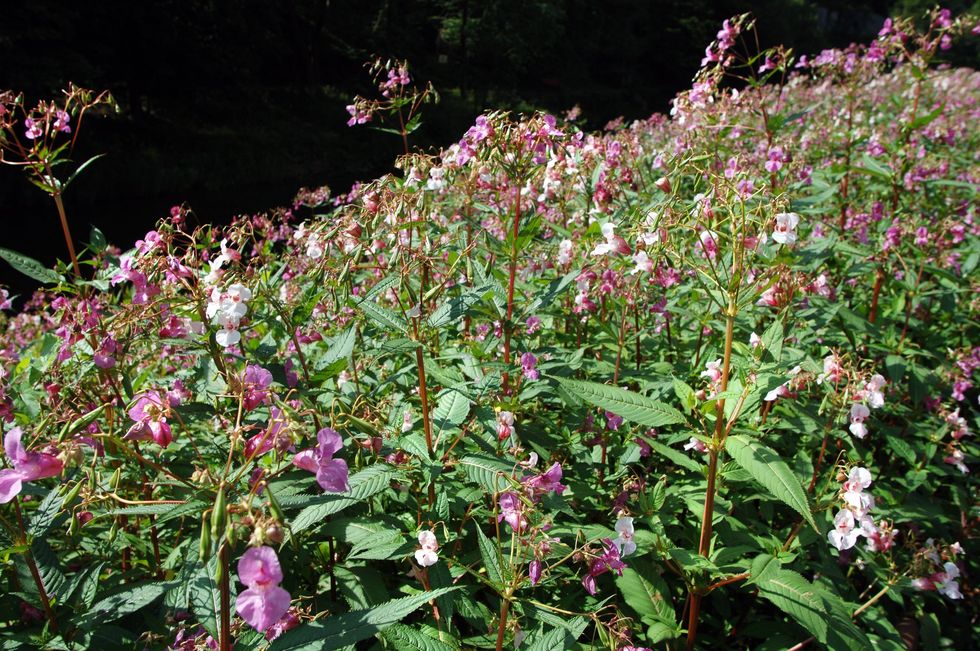
Himalayan balsam is a tall annual species originally from the Himalayas, brought to Britain as a garden ornamental back in 1839.
The plant is admired for its fragrant pink and purple blooms from July all the way through the summer until November.
However, its spread is remarkably aggressive, thanks to a single specimen being capable of generating hundreds of seeds.
Seed pods can launch their contents up to seven metres away, while seeds remain viable for two years after landing in water.
LATEST FROM GB NEWS:
- Police rush to arrest two men outside McDonald's after man hospitalised in reported acid attack
- Police arrest woman on suspicion of child neglect after baby dies in Manchester home
- Selfless boy, 8, to donate every gift he's been sent after preventing flight disaster
Its rapid growth can crowd out native plants by blocking their access to sunlight, moisture and nutrients.
The species also thrives along riverbanks and in wet woodland areas, causing waterways to become obstructed and vulnerable to flood risks.
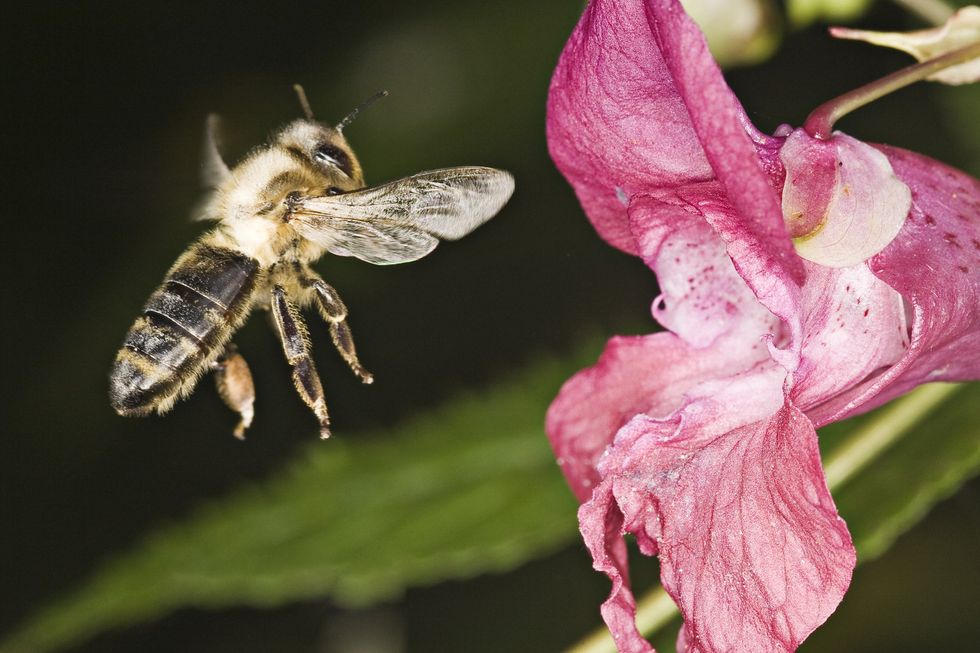
The shallow root system of Himalayan balsam also makes riverbanks vulnerable to erosion, although bees are attracted to its nectar-rich flowers.
At home, nevertheless, it is possible to remove the plant. A hoe, for instance, can be used to dig out seedlings on warm or windy days, allowing exposed roots to dry and perish quickly.
Cutting below the first stem node with secateurs or a mower also helps to prevent regrowth.
And, during spring and early summer, entire plants can be pulled out by hand while still relatively short.
For those unable to manage removal themselves, the RHS suggests engaging a specialist weed control contractor although possession of the plant is not legal.
Environmental authorities retain powers to mandate control measures where deemed necessary.When removal becomes essential, specific protocols must be followed.
The Environment Agency requires notification before disposal takes place and a registered waste carrier must transport the plant material to an authorised disposal site.
Our Standards: The GB News Editorial Charter