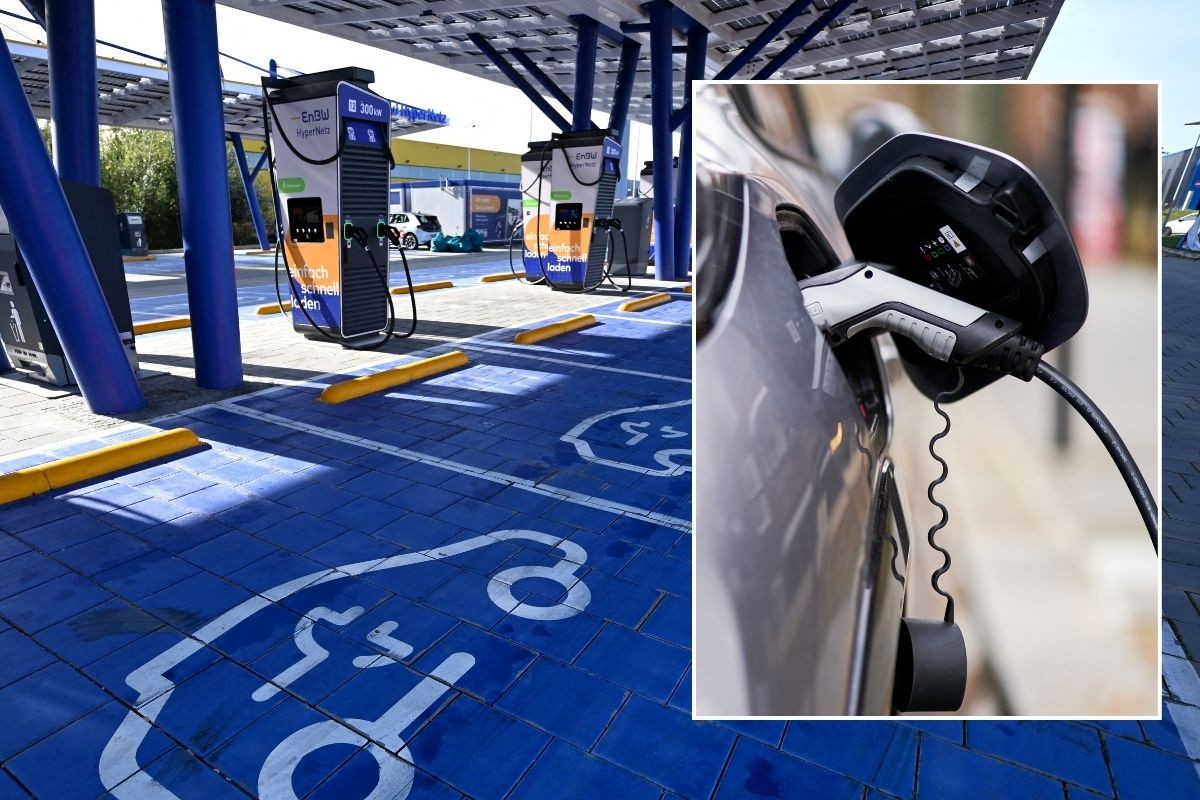
The UK's electric vehicle charging industry could generate £15.5billion for the economy over the next 10 years, according to a major new report.
A study carried out by LCP Delta and commissioned by ChargeUK is the first detailed look at the economic impact of the UK's EV charging sector.
Researchers found that the charging industry is not only becoming a major employer and investment opportunity in its own right but also plays a vital role in supporting the wider switch to electric transport.
The report estimated that buying an electric vehicle could be worth as much as £385billion to the UK economy by 2035.
This wider opportunity includes battery production, vehicle manufacturing, car sales and servicing, alongside charging infrastructure.
By 2035, the EV sector is expected to generate £27billion a year for the economy, putting it on a similar level to today's telecommunications and broadcasting industries.
The charging industry currently employs more than 12,000 people across the UK, which is expected to rise to almost 36,000 by 2035.
When wider supply chain jobs and employee spending are included, the report estimates that more than 71,000 jobs could be linked to the charging sector alone, while a further 334,000 jobs could be created in areas including battery manufacturing, vehicle production, retail and maintenance.
Annual turnover in the charging industry currently stands at around £2.5billion but is forecast to grow to more than £8billion over the next decade as more drivers switch to electric vehicles.
However, industry leaders warned that Government policy will play a crucial role in determining how much investment the sector attracts.
John Murray, head of EVs at LCP Delta, said: "As a cornerstone of the UK's EV transition, the charging sector requires a clear and predictable pathway for growth, one that supports continued investment, keeps pace with rising demand, and enables operators to build sustainable businesses."
ChargeUK members said weakening the Zero Emission Vehicle mandate could have serious consequences for charging infrastructure, as the Government pledges to review the policy next year.
The policy sets out clear rules for the number of electric cars manufacturers must sell each year, with failure to meet the targets resulting in hefty fines.
LATEST DEVELOPMENTS
- M25 chaos: Major motorway closed after huge car fire as drivers face 10 miles of traffic
- BYD accused of 'aiding Chinese military' as the United States issues 'warning to American people'
- Rachel Reeves dealt fresh blow as one in three drivers reject electric cars over new taxes
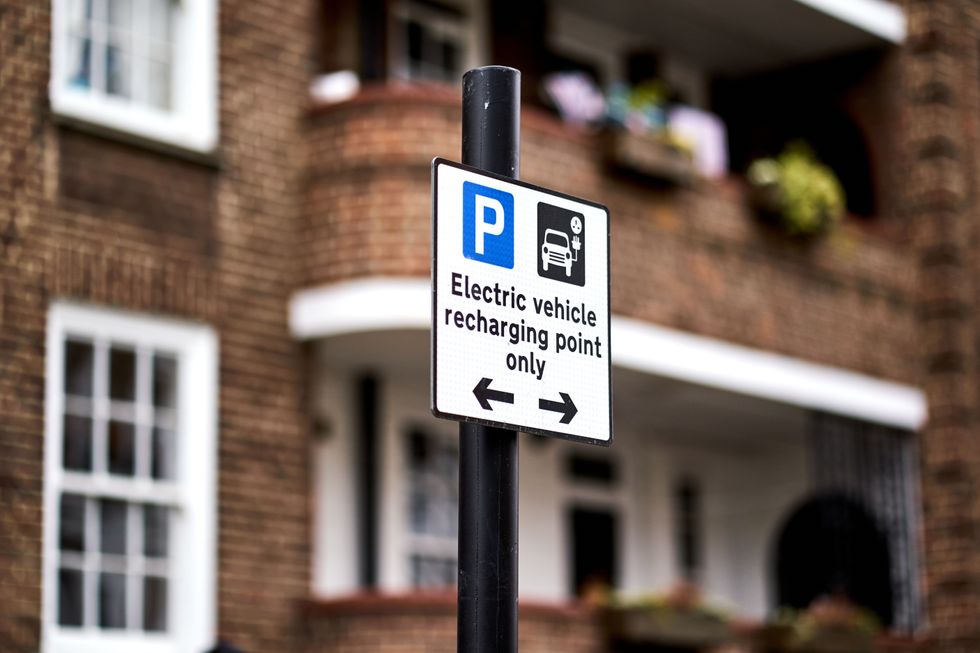
According to the report, a survey of charge point operators found that further weakening the policy could cut planned investment by half over the next five years.
Experts explained this could mean around £2billion less being spent on charging infrastructure and could put the UK's wider £385billion transport electrification opportunity at risk.
Under current rules, 100 per cent of new petrol and diesel car sales must be electric by 2035, with a target of 80 per cent by the end of this decade.
The report found that making public charging cheaper by bringing VAT rates in line with home charging and reducing fixed energy costs could unlock an extra £5.7billion of investment over the next five years.
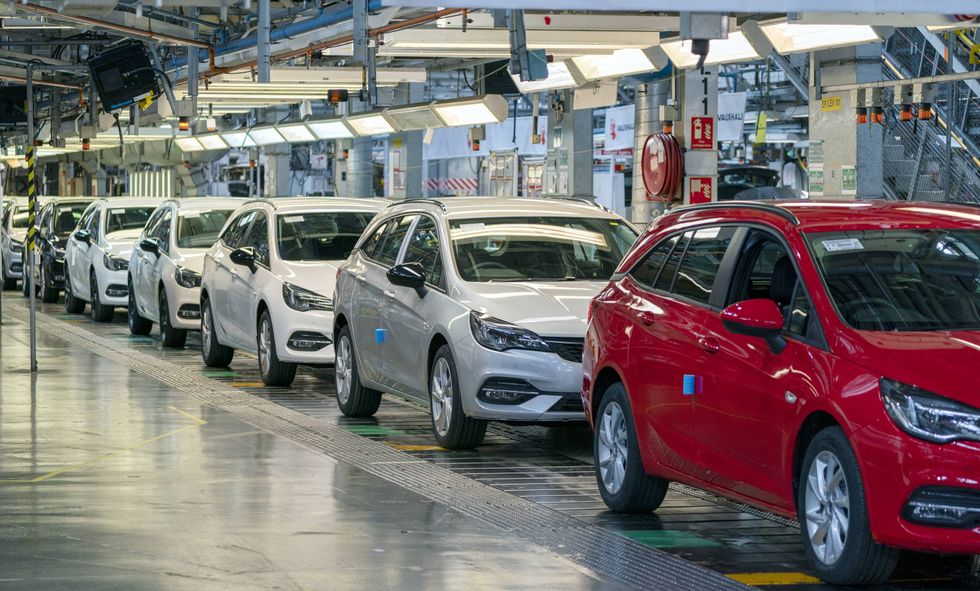
Industry leaders said lower charging costs would encourage more drivers to switch to electric vehicles, increasing demand and supporting further investment.
The report also suggested that reversing some of the flexibilities introduced into the ZEV mandate in 2025 could boost charging investment by 40 per cent.
Vicky Read, chief executive of ChargeUK, said: "[The] Government now has to choose. It can once again fold to voices calling for a slower transition, locking drivers into high petrol prices for longer and collapsing charging investment.
"Or double down to supercharge the transition with a stable ZEV mandate and lower cost public charging."
Our Standards: The GB News Editorial Charter