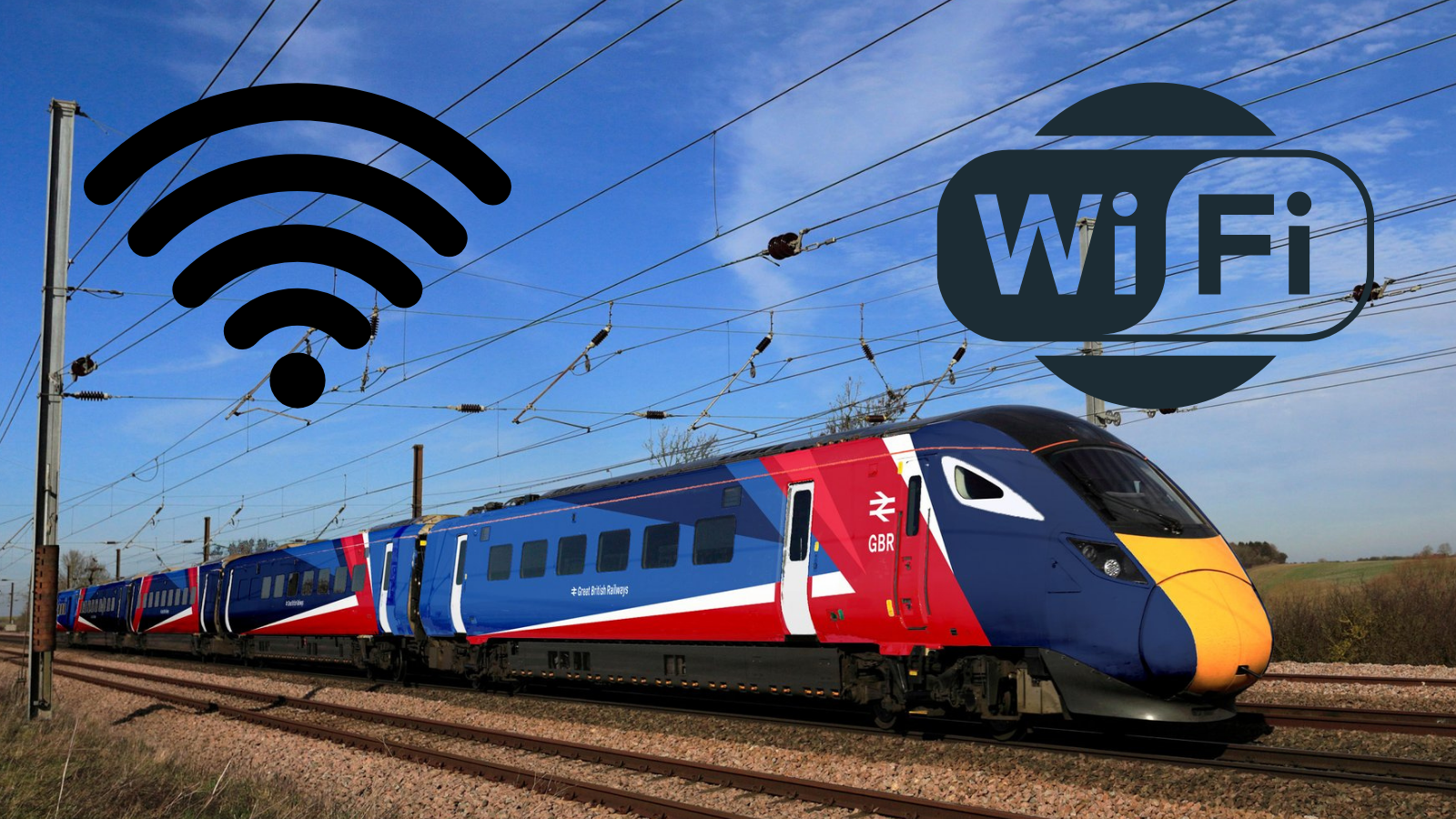
Britons to be able to stream videos and join video calls on train wifi in major tech overhaul
•Labour is preparing to unveil a £57million initiative that will bring high-speed internet to Britain's railways through cutting-edge satellite technology later this summer.The ambitious scheme will se...
•TRENDING Stories Videos Your Say The project forms part of the government's broader transition towards Great British Railways - the new nationalised body set to manage both infrastructure and tra...
•"Our nationwide upgrade will rocket-boost connectivity on every main line train in Britain over the next few years, tackling both slow speeds and irritating not-spots." Our Standards: The GB...
هذا الخبر من GB News. خبر يقدم أدوات ذكاء اصطناعي للتلخيص والترجمة والاستماع.
المصدر: GB News | Source: GB NewsLabour is preparing to unveil a £57million initiative that will bring high-speed internet to Britain's railways through cutting-edge satellite technology later this summer.
The ambitious scheme will see more than 1,400 trains fitted with equipment capable of connecting to low-Earth orbit satellites, delivering ultra-fast broadband to passengers across the network.
London North Eastern Railway and TransPennine services, both notorious for unreliable connectivity, are expected to receive the upgrades first.
Initial installations are expected to begin within months of the announcement, expected by Transport Secretary Heidi Alexander.
TRENDINGStoriesVideosYour SayThe project forms part of the government's broader transition towards Great British Railways - the new nationalised body set to manage both infrastructure and train operations.
Current connectivity on Britain's rail network remains woefully inadequate, according to Department for Transport research.
Passengers using 4G data experience average speeds of just 3.3Mbps, while those relying on onboard wifi fare even worse at 1.4Mbps.
The situation is compounded by inconsistent coverage, with travellers only receiving a satisfactory signal barely half the time.
Much of the existing wifi infrastructure was installed between 10 and 15 years ago, and has seen no subsequent improvements.
Peter Kingsland, senior vice-president of Icomera UK, which supplies wifi services to the rail industry, noted interest in low-Earth orbit satellites is "growing monthly among UK train operators and globally" to get things up to speed.
Traditional systems depend on trackside telecommunications masts, meaning service quality deteriorates wherever mobile network coverage is weak or non-existent, particularly in rural areas where complete signal blackouts remain common.
LATEST DEVELOPMENTS
- White British births fall to record low as more than 33% of new mothers were born overseas
- Transgender taxpayers given access to HMRC fast-track hotline used by MPs and royals
- Nasa to build base on the moon BEFORE HS2 is finished
Trials using small satellites orbiting between 160km and 2,000km above Earth have achieved download speeds of 200Mbps - far surpassing the 157Mbps average for British households.
Once fully implemented, the Government expects average speeds across mainline services to increase between five and tenfold, while wifi availability should jump from roughly 50-60 per cent to above 90 per cent.
A complementary initiative called Project Reach will simultaneously tackle connectivity dead zones, by installing fibre optic cables alongside more than 70 tunnels and other areas currently lacking mobile signal.
The satellite approach also addresses network congestion issues, as peak-hour trains carrying village-sized passenger loads can overwhelm nearby telecommunications masts.
The Transport Secretary views improved connectivity as essential to boosting passenger satisfaction with rail services, with the Government keen to address everyday concerns, alongside its nationalisation agenda.
A Government spokesman said: "Getting online while on a train has been a perennial annoyance for passengers.
"Our nationwide upgrade will rocket-boost connectivity on every main line train in Britain over the next few years, tackling both slow speeds and irritating not-spots."
Our Standards: The GB News Editorial Charter


ملاحظة تحريرية | Editorial Note: نُشر هذا المقال في الأصل بواسطة GB News. خبر (Khabr) هي منصة إعلامية أردنية مرخّصة تعمل بالذكاء الاصطناعي. نضيف قيمة تحريرية من خلال: تحليل ذكي للأخبار، ملخصات تلقائية، رواية صوتية بالذكاء الاصطناعي، ترجمة متعددة اللغات، وتدقيق الحقائق. هدفنا جعل الأخبار أكثر وضوحاً وسهولةً للقارئ العربي.
This article was originally published by GB News. Khabr is a licensed Jordanian AI-powered news platform (Registration #82086). We add editorial value through: AI-powered news analysis, automated summaries, AI audio narration, multi-language translation (Arabic, English, French, Turkish), and AI fact-checking. Our mission is to make news more accessible and understandable for Arabic-speaking audiences worldwide.