A Briton is forced to suffer a miserable 50-mile bus journey to visit her GP which is just four miles away.
Fen Watson, who lives in Bowness-on-Solway, described the situation as "ridiculous" after discovering the true distance she travels for her medical appointments in Cumbria.
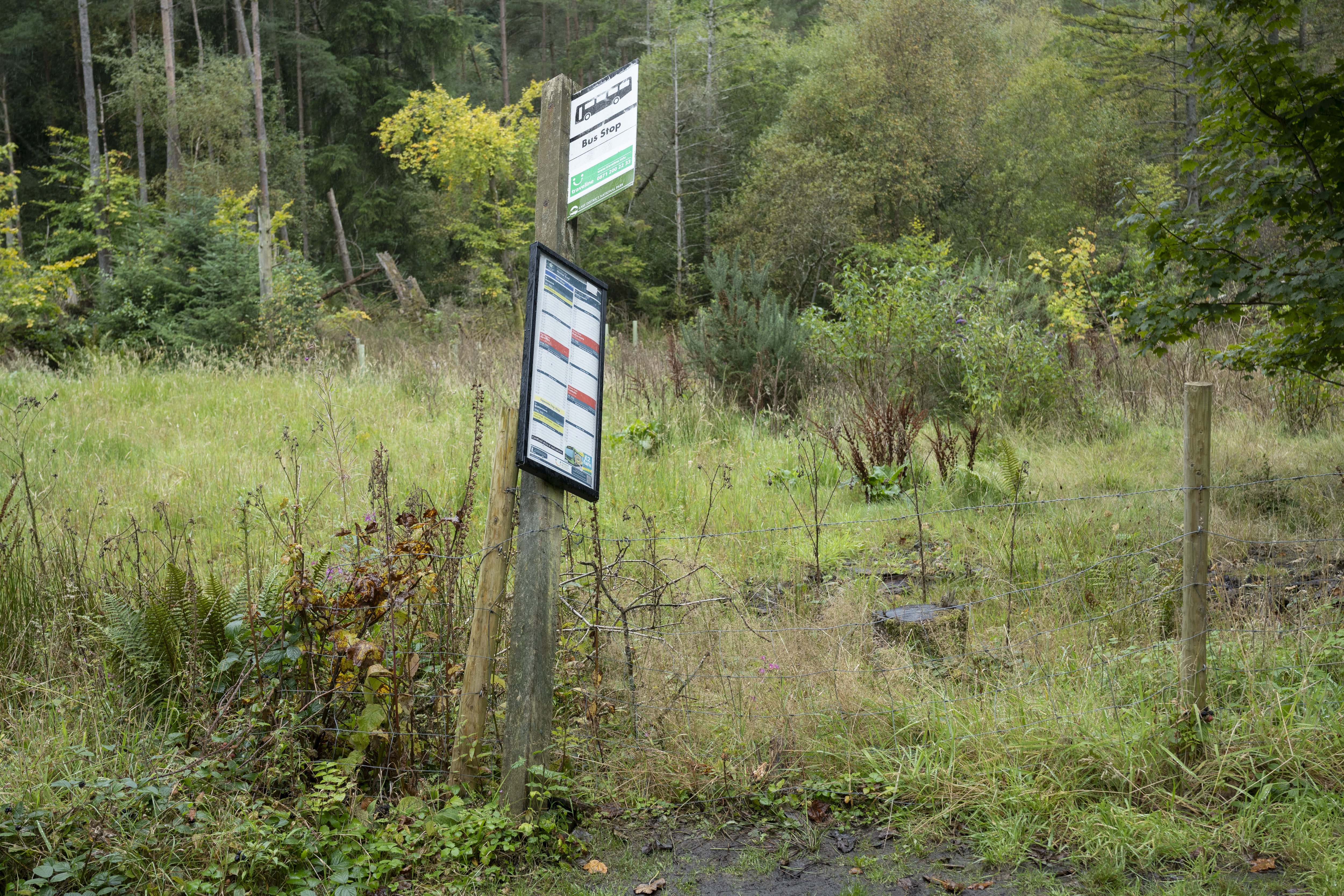
The problem is all down to bus timetables which fail to connect her village directly with her practice in Kirkbride at suitable times.
As Ms Watson no longer drives, she has been left dependent on British public transport which forces her to take a lengthy detour around the Cumbrian countryside.
The local bus service stops at both locations only a handful of times daily, none of which work for return trips.
As a result, to attend an 11.30am appointment, Ms Watson must leave her home at 7.30am. Her route requires travelling first to Carlisle, then catching a connecting service to Kirkbride.
The return journey follows the same indirect path back through the city. She arrives home at 6pm, meaning the entire trip consumes 10 hours and 30 minutes of her day.
Ms Watson admitted she found the experience "frustrating" and says it severely limits her independence.
Her only alternative would be requesting lifts from friends, which she considers unfair because "you're pinning someone down".
To make use of the lengthy wait times, she combines her medical visits with shopping errands.
"I hadn't realised that what I'm doing is actually a 50-mile round trip, which seems ridiculous," Ms Watson said.
"We have the 93 bus, which we're really glad to have because we've nearly lost it twice, but we think it could be better if the route could be adjusted."
LATEST FROM THE NORTH WEST:
- Autistic boy, 6, denied NHS support because he goes to private school
- Reform UK revels in double election victory as Nigel Farage clinches first seat of its kind
- Metal detectorists uncover 'spectacular' Bronze Age arm rings under planned electric substation site

She called on public services to asses the state of the British transport system, which she stresses is important for those who are no longer able to drive.
"Public transport is vital. I don't drive anymore, having enjoyed it for many years, and that stage can come to all of us," she said.
"I'd like the people who organise routes to have a good look at a map," she suggested. "The surgery is lovely, but the difficulty is getting there and back."
A Healthwatch Westmorland and Furness report found that 40 per cent of 540 surveyed patients had cancelled appointments due to transport difficulties.
Kate Rees, assistant head of service for Healthwatch in Cumbria and Lancashire, said poor public transport and inconvenient appointment times worsened the problem.
"People feel the bus services for example are not reliable enough to use them to get to an appointment," she said.
Healthwatch plans to conduct similar research in Ms Watson's area.
Tom Waterhouse, managing director of Stagecoach Cumbria and Lancashire, said timetables aimed to achieve "the best balance we can" between different passengers' needs.
Our Standards: The GB News Editorial Charter