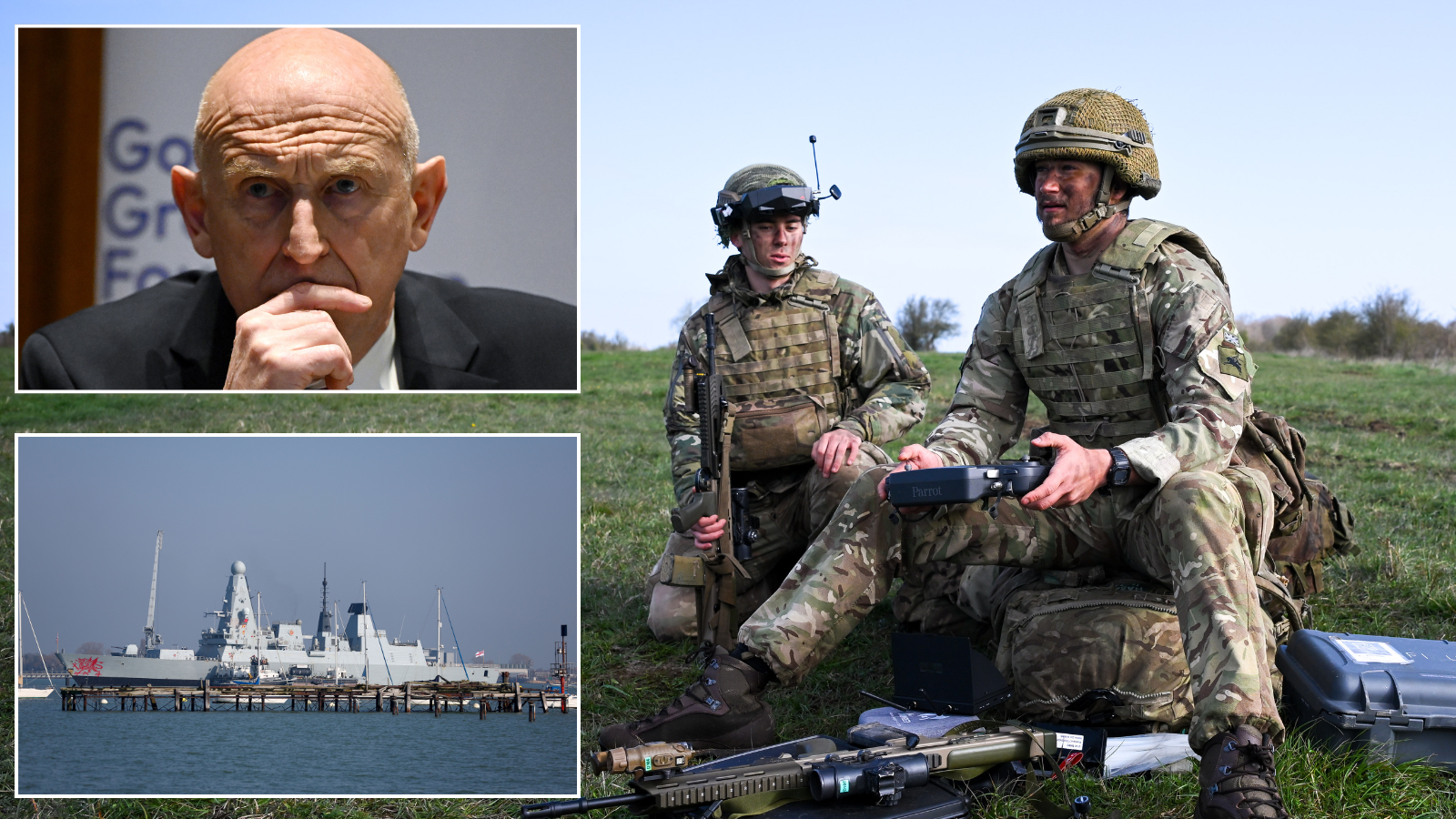
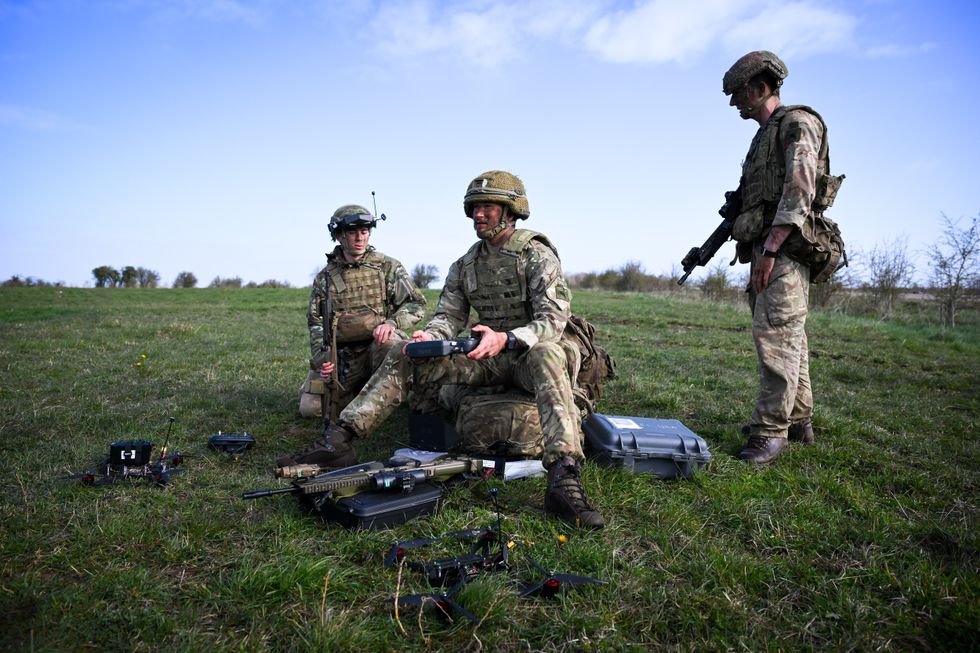
Britain only has enough drones to last one week in the event of a war with Russia, defence chiefs have warned.
The army currently holds around 6,000 drones in its arsenal, but senior military officials say this represents a fraction of what would be needed to resist a Russian invasion by 2030.
Ukraine is currently using an estimated 9,000 drones a day in its battle against Russian forces, and claims to destroy around 30,000 Russian drones every month.
If Britain were forced to deploy its unmanned aerial fleet at a similar rate, its entire stockpile would be exhausted within days.
Defence chiefs fear Vladimir Putin could be ready to invade Europe by the end of the decade if a peace deal is struck with Ukraine, making 2030 the critical flashpoint for potential conflict.
The Labour Government has committed £4billion to drone procurement across the Armed Forces during this Parliament, but it is understood the Army alone would need an additional £550million a year just to meet its targets, the Telegraph reports.
The warnings emerged following a major military exercise conducted deep beneath central London, where a disused Tube platform under Trafalgar Square was transformed into a Nato command post.
Named Exercise Arrcade Strike, the drill simulated a Russian invasion of Estonia in 2030, with personnel from the UK, France, Italy and the United States directing around 20,000 troops taking part in war games in Estonia.
The Jubilee Line platform at Charing Cross, previously used as a filming location for a James Bond film, was chosen to replicate how a military headquarters might be established underground in continental Europe.
Reflecting the reality of modern warfare, the underground command posts protect military personnel from long-range drone and missile strikes and advanced surveillance.
Under red lights, soldiers working on laptops directed simulated drone attacks on Russian air defences and tanks, as well as coordinating air and artillery strikes.
The exercise also featured a prototype AI system called Asgard, designed to speed up planning and decision-making, similar to systems already used by the Americans to identify targets during the Iran war.
LATEST DEVELOPMENTS
- Future of ANOTHER UK overseas territory under threat as Cyprus warns island ‘must not be target’
- Yvette Cooper to warn world ‘sleepwalking into food crisis’ over Iran conflict upheaval
- Iran 'months away' from restoring drones as Islamic Republic rebuilds arsenal
Lieutenant General Mike Elviss, who commands the UK-led Allied Rapid Reaction Corps, said 2030 would be when the Russian threat was "at its most acute".
He said: "It's also when we could realistically deliver the modernised technology and increased readiness required to meet that threat, but only with the right investment now, and with the support of industry to build a national arsenal, not just of munitions stockpiles, but also of the national means of production that can scale in wartime.
"There is a huge opportunity here, but peril if we ignore the risk."
General Chris Donahue, head of Nato Land Command and US Army Europe and Africa, said the alliance's readiness target for 2030 was "not a slogan - it is what we must do".
He added: "We must scale our industry and innovation in a way we haven't needed since the end of the Cold War."
General Alexus Grynkewich, Nato's Supreme Allied Commander Europe, warned that failure to learn and adapt faster than adversaries would put both deterrence and defence plans at risk.
The state of Britain's broader military readiness has also come under scrutiny in recent months.
Currently standing at around 70,000 full-time, fully-trained troops, the army is at its smallest size in more than 200 years.
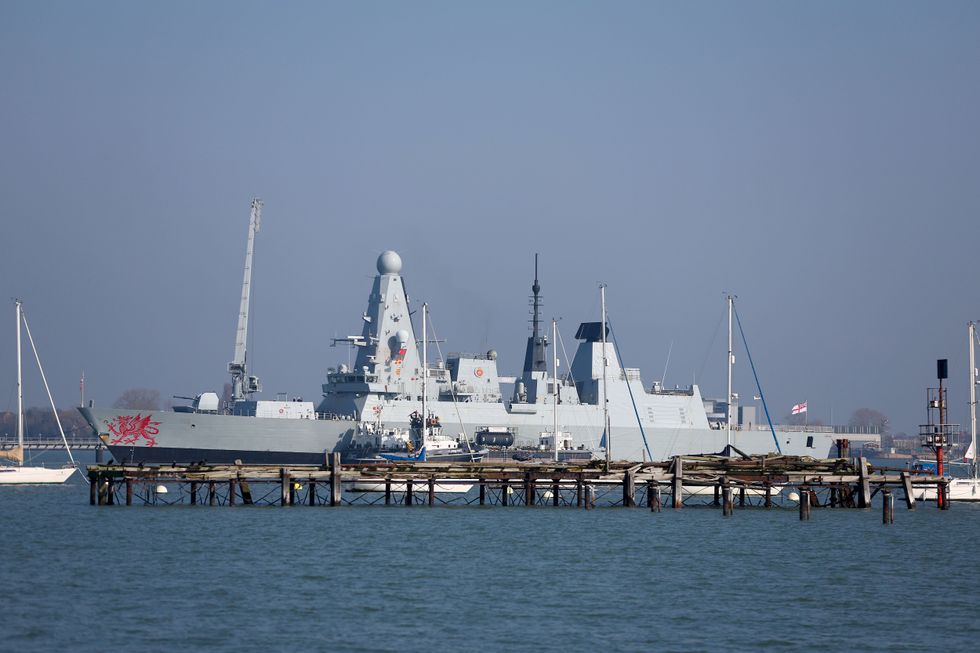
The Iran war also exposed weaknesses in Britain's naval response, with HMS Dragon taking three weeks to reach the Eastern Mediterranean following a drone attack on RAF Akrotiri in Cyprus in March.
Four of the UK's destroyers are currently in port undergoing maintenance or long-term upgrades, while the frigate fleet has been reduced to just five operational warships.
Sir Keir Starmer is reportedly expected to ask Chancellor Rachel Reeves to approve an £18billion increase in defence spending as he battles to maintain his position in office.
The Government's defence investment plan, which is meant to set out how money will be spent on the Armed Forces over the next decade, has been delayed since last autumn and is still awaiting publication.
Defence Secretary John Healey said the exercise demonstrated that Britain, with Nato leadership, could "deploy at pace to command tens of thousands of troops to defend Nato territory" and insisted the Government was investing in people and technology while stepping up on European security.
Our Standards: The GB News Editorial Charter