Britain braces for mass fish deaths as 'extreme' marine heatwave grips UK waters
•Britain is facing a potentially record-breaking marine heatwave with sea temperatures up to 5.3C above average.
•The extreme heat is causing stress on fish and marine ecosystems, with risks of mass fish deaths similar to past Australian events.
•Cold-water species are migrating north while jellyfish populations increase, affecting coastal industries and marine life.
المصدر: GB News | Source: GB NewsBritain could be on the brink of its most severe marine heatwave on record, with scientists warning the exceptional sea temperatures may trigger widespread fish deaths and devastate marine ecosystems.
Coastal waters are running as much as 5.3C above seasonal averages, with experts warning the prolonged heat could place unprecedented stress on fish and other marine life.
The Thames Estuary has already entered what researchers classify as "extreme" marine heatwave conditions, according to Marine Heatwave Tracker data.
Monitoring buoys around the UK recorded extraordinary temperatures throughout June, with Hastings registering the highest anomaly at 5.3C above average, followed by Liverpool Bay at 4.6C and South Knock, east of the Thames Estuary, at 4.3C higher than normal.
TRENDINGStoriesVideosYour SayMarine heatwaves are defined as prolonged periods during which sea temperatures remain significantly above historical averages for at least five consecutive days.
Scientists measure the events on a four-tier scale, ranging from moderate to extreme.
"If it's starting to go extreme now and we've got a whole other week of the same weather, it could potentially be the most extreme we've ever had," said Zoe Jacobs at the National Oceanography Centre.
The UK's first extreme marine heatwave occurred briefly in June 2023.
"They are very, very rare," she added.
Dr Jacobs said the Channel and southern North Sea are currently sitting between 15C and 19C - temperatures normally associated with August rather than early July.
The Bay of Biscay is also running up to 5C warmer than usual, with the unusually warm water spreading into British coastal seas.
Unlike previous marine heatwaves that peaked in spring or early summer, the current event is expected to persist well into July, increasing the risk of severe impacts on marine life.
ANIMALS - READ THE LATEST:
- British holidaymakers warned toxic fish that ‘can bite through bone’ lurking in Mediterranean
- British wildlife park welcomes birth of adorable flamingo chick after its brother escaped to France
- Biblical plague of flies making life in leafy British village 'intolerable'
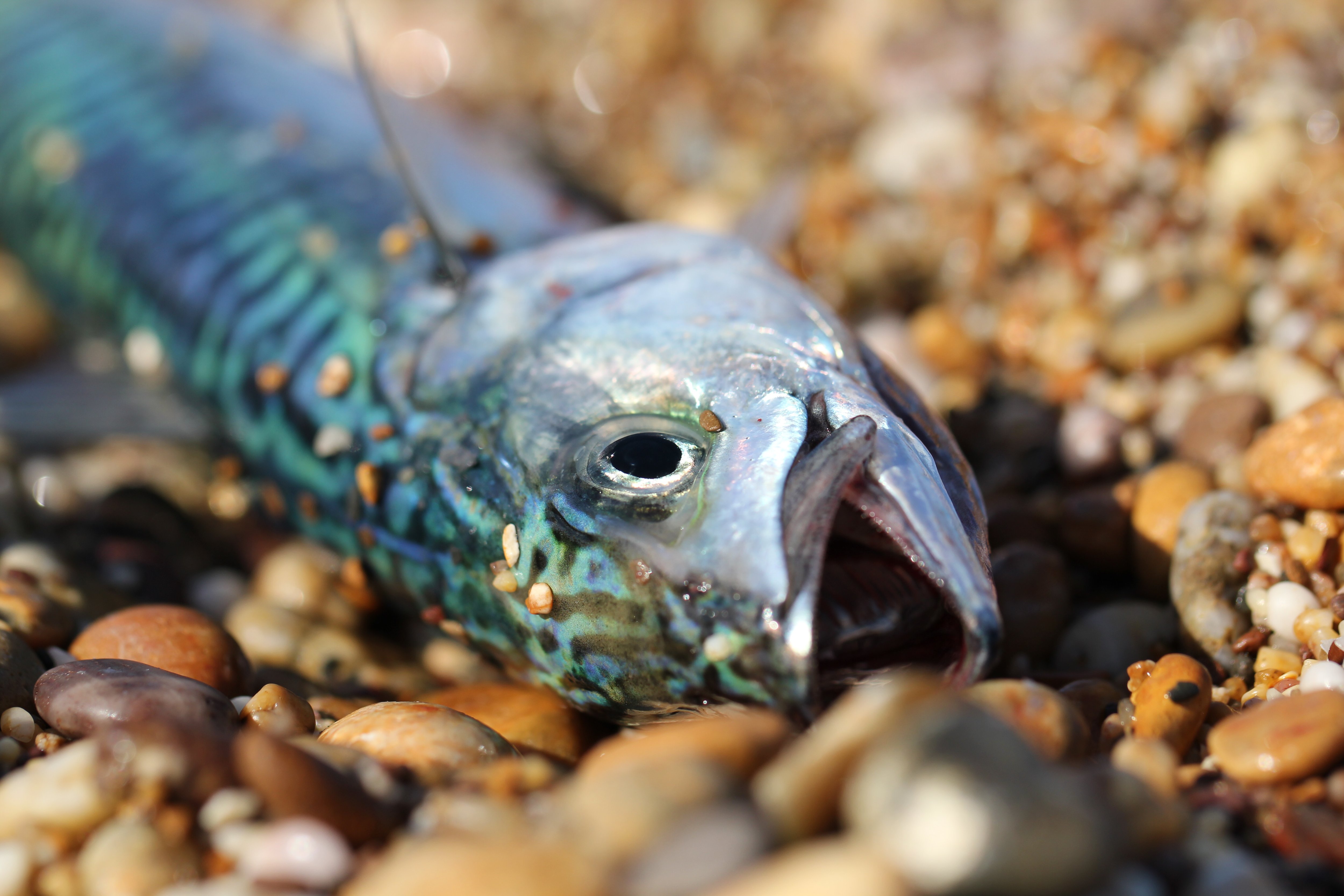
Scientists warn Britain could experience mass mortality events similar to those seen during Australian marine heatwaves, where extreme ocean temperatures devastated seagrass meadows and caused widespread fish deaths.
Cold-water species such as cod and mackerel are already moving north in search of cooler waters, while jellyfish numbers have increased and octopuses are now breeding in British seas.
"We are closely tracking potential impacts on marine life and coastal industries," John Pinnegar, lead adviser for climate change at Cefas said.
"Including harmful algal blooms that can affect mussel and oyster production, increased jellyfish sightings, and stress on fish and other commercially important species," he added.
The unusually warm seas are also expected to prolong hot, uncomfortable nights across Britain by preventing cooler sea breezes from bringing overnight relief.
"Marine heatwaves can have an impact prolonging warmth on land, in certain conditions," said Caroline Rowland, head of ocean and climate at the Met Office.
Scientists say the phenomenon reflects the long-term warming of UK waters, which have steadily increased in temperature since the 1980s.
"We are likely to see marine heatwave conditions becoming average towards the middle-to-end of the century," warned Dr Ségolène Berthou, air-sea interaction specialist at the Met Office.
Our Standards: The GB News Editorial Charter


→Britain is facing a potentially record-breaking marine heatwave with sea temperatures up to 5.3C above average.
→The extreme heat is causing stress on fish and marine ecosystems, with risks of mass fish deaths similar to past Australian events.
ملاحظة تحريرية | Editorial Note: نُشر هذا المقال في الأصل بواسطة GB News. خبر (Khabr) هي منصة إعلامية أردنية مرخّصة تعمل بالذكاء الاصطناعي. نضيف قيمة تحريرية من خلال: تحليل ذكي للأخبار، ملخصات تلقائية، رواية صوتية بالذكاء الاصطناعي، ترجمة متعددة اللغات، وتدقيق الحقائق. هدفنا جعل الأخبار أكثر وضوحاً وسهولةً للقارئ العربي.
This article was originally published by GB News. Khabr is a licensed Jordanian AI-powered news platform (Registration #82086). We add editorial value through: AI-powered news analysis, automated summaries, AI audio narration, multi-language translation (Arabic, English, French, Turkish), and AI fact-checking. Our mission is to make news more accessible and understandable for Arabic-speaking audiences worldwide.