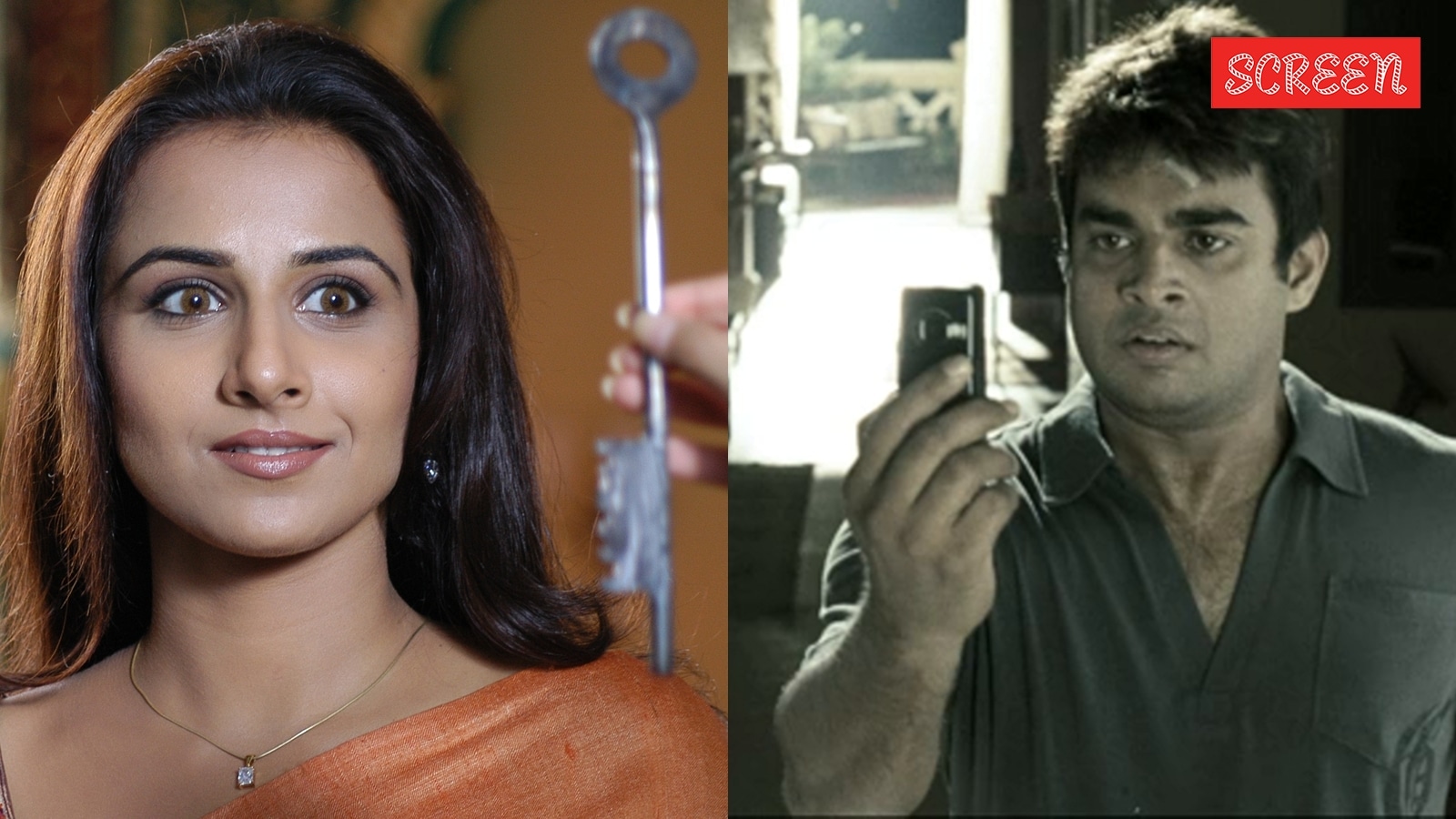
Akshay Kumar, a cursed home, an ensemble cast of good actors and an angry demonic entity that needs to be subdued. This is not a flashback to Bhool Bhulaiyya (2007), but rather the premise of his upcoming film Bhooth Bangla, as based on the trailers and promotional material. The trailer shows Akshay Kumar’s character inheriting a palace in Mangalpur. He wants to marry his sister off at the palace, but sadly, his joy is short-lived because no marriages can take place in Mangalpur. Marriages enrage a demonic entity named Vadhusur, who allegedly lives in the jungles named ‘Pishaach van’ behind the palace. The film is directed by Priyadarshan, who also directed Akshay Kumar, Vidya Balan, and an ensemble cast in Bhool Bhulaiyya. The first instalment of the Bhool Bhulaiyya franchise, a remake of the Malayalam movie Manichitrathazhu (1993), told the story of strange events that start taking place in an old mansion after Avni (Vidya Balan) opens the door to a room that is supposedly haunted. Also Read – Bhooth Bangla Movie Review and Release Live Updates Haunted homes, havelis and palaces have long been a trope in Indian horror films. Large sprawling homes in a small town, village or erstwhile kingdom, where the long corridors, flickering lights from old light fittings and candles, cobwebs on walls and unused furniture covered in sheets or layers of dust become the perfect backdrop for characters to run from evil spirits, get scared by shadows, explore unoccupied rooms and jump at creaking sounds from old hinges. The home itself is an important character in the movie, with its own backstory and spooky inhabitants who often have a sordid tale to tell. It’s usually one standalone home that is the source of evil and fear, whether large, like in Bhool Bhulaiyya or small, like the apartments in Bhoot and 13B. These homes have witnessed a terrible trauma, such as murder or a grave act of injustice, that led an innocent person to be killed or die by suicide. In Bhoot, for example, Swati (Urmila Matondkar) moves into an apartment where Manjeet and her son were murdered by Sanjay (Fardeen Khan). Manjeet’s spirit, desperate for revenge, possesses Swati’s body to first kill the security guard and then almost fatally attack Sanjay before an exorcist (Rekha) and Manjeet’s mother (Tanuja) placate her. Bhoot is one of many Indian films where a female ghost seeking revenge or scaring the protagonists creates trouble for the residents of a home. This was perhaps a tradition started by yesteryear films like Mahal (1949), Bees Saal Baad (1962), Woh Kaun Thi (1964) or Madhumati (1958). Interestingly, female characters are often portrayed as submissive and vulnerable while they are alive. But once they die, their spirits turn into feared beings capable of vengeance and violence. It’s almost as if a woman is released from all the restrictions that she faces while alive and has no fear anymore in the afterlife. Sometimes, it is an actual ghost with unfinished business, like Tabu’s character Anjulika/Manjulika in Bhool Bhulaiyya 2, or Malini Sharma’s character Malini in Raaz. In other interpretations, there are elements of reincarnation, or a living person creating the impression of a spirit to take revenge, fulfil other selfish motives or undertake illegal activities. Sometimes, a character’s supposed possession is actually a sign of mental illness. In Bhool Bhulaiyya, for example, Vidya Balan is not possessed by Manjulika’s ghost. She is diagnosed with dissociative identity disorder, where she takes on Manjulika’s character and seeks to avenge the cruelty she has been told was committed against Manjulika in the past. In Rahul Sadasivan’s fabulous film Bhoothakaalam, Vinu (Shane Nigam) and Asha (Revathy) battle addiction and clinical depression after facing multiple setbacks in their personal and professional lives. When they start suspecting they aren’t alone in their home, their deteriorating mental health forces us to question whether the home is haunted or if their mind is playing tricks on them. Eventually, their intuition is right, as multiple ghosts emerge in the film’s climax, forcing them to vacate the home. Over the years, filmmakers have interpreted the horror genre and specifically the trope of a haunted home in interesting ways. In Bulbbul (2020), the young daughter-in-law of an aristocratic household in pre-independence Bengal becomes a vigilante after being abused and sexually assaulted by the men of the family. Director Anvita Dutt uses the myth of a ‘chudail’ with twisted feet and the atmospherics of a traditional horror story, but makes patriarchy and the oppression of women the source of horror. Bramayugam, starring veteran Malayalam actor Mammootty, and Tumbbad are other excellent examples where folklore combines with genre tropes to re-examine horror stories and haunted homes as tales of human flaws and systemic cruelty. Bramayugam, filmed in black and white and set in the late 17th century, builds a terrifying narrative around the horrors of caste oppression. Director Rahul Sadasivan creates a gripping story where a crumbling mansion traps its inhabitants in a house of horrors. Greed and the evil unleashed by its all-consuming nature are the central themes of Tumbbad. Vinayak (Sohum Shah) travels multiple times to a crumbling old mansion, descends into its frightening depths and faces the danger of death just to extract gold coins. He kills his friend, who tries to follow him to find out the source of his wealth and eventually trains his Pandurang son to steal coins as well. Though Pandurang ultimately ends the cycle of greed by rejecting a bag of gold, the damage it causes Vinayak and his family is catastrophic. Though most horror films with haunted homes feature one entity, male or female, that causes the scares or seeks revenge, there are instances where multiple ghosts or evil spirits share a common goal. 13 B, a film starring Madhavan, is set in an apartment that was built on the same location where eight members of a family were killed. Vaastu Shastra, starring Sushmita Sen, is another movie where multiple ghosts haunt a family and kill almost everyone living in the home, turning them into ghosts as well. Homes are supposed to be our safe space where we retreat from the world to feel a sense of security and belonging. When the spaces that are supposed to protect us become unsafe, it makes us feel more threatened and scared. Unlike a living, breathing villain who can be seen and heard, ghosts and spirits have supernatural powers that make them more powerful. They can pass through closed doors and enter the bodies of living beings. When these beings with extraordinary powers clash with a seemingly regular person whom the viewer can relate to, it appeals to our fear of the unknown, a fear of being in danger for no clear fault of our own, or the fear of facing a challenge that can threaten our whole family. Here’s hoping Bhooth Bangla’s haunted house and its demonic threat do more than recycle scares and plot points or pass off higher decibel levels for humour or fear. After the impact of Stree 1 & 2 and Bhool Bhulaiyya 2 & 3, the film has its task cut out. Click here to follow Screen Digital on YouTube and stay updated with the latest from the world of cinema.
المصدر: Indian Express
| Source: Indian Express
ملاحظة تحريرية | Editorial Note:
نُشر هذا المقال في الأصل بواسطة Indian Express.
خبر (Khabr) هي منصة إعلامية أردنية مرخّصة تعمل بالذكاء الاصطناعي.
نضيف قيمة تحريرية من خلال: تحليل ذكي للأخبار، ملخصات تلقائية، رواية صوتية بالذكاء الاصطناعي، ترجمة متعددة اللغات، وتدقيق الحقائق.
هدفنا جعل الأخبار أكثر وضوحاً وسهولةً للقارئ العربي.
This article was originally published by Indian Express.
Khabr is a licensed Jordanian AI-powered news platform (Registration #82086).
We add editorial value through: AI-powered news analysis, automated summaries, AI audio narration, multi-language translation (Arabic, English, French, Turkish), and AI fact-checking.
Our mission is to make news more accessible and understandable for Arabic-speaking audiences worldwide.