The BBC has been slammed after it emerged two asylum seekers who appeared on an episode of Question Time had been coached by charity campaigners.
In the episode, filmed on December 5 in Dover, the audience featured two men who had crossed the Channel in small boats.
The BBC previously told GB News that all those on the panel were informed "the day before the show that there would be people in the audience who had been through the asylum system".
Now, it has been revealed the two men were placed in the audience and coached beforehand by the migration support charity Imix.
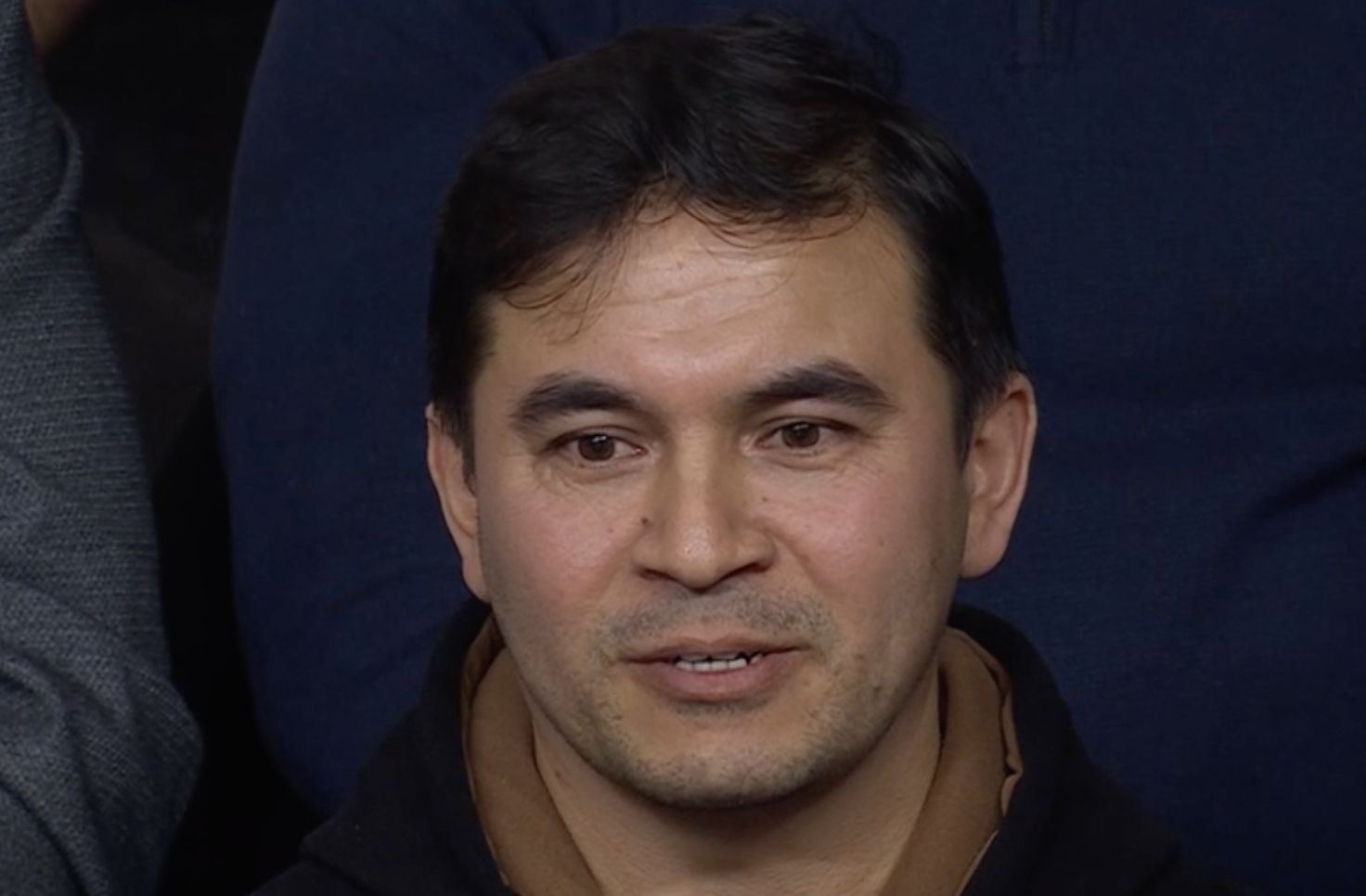
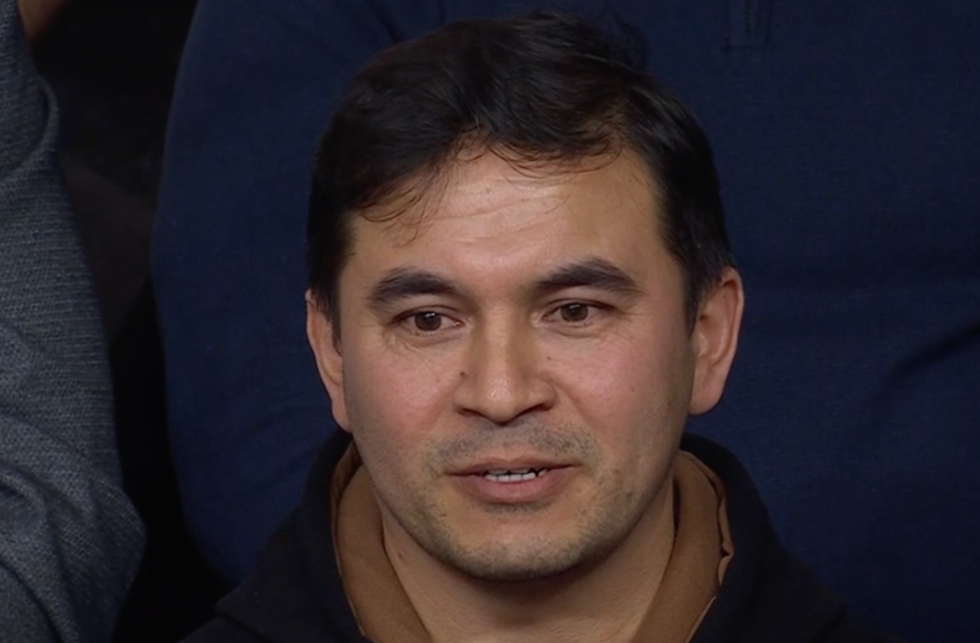
One of the asylum seekers featured in the programme was Ashraf, an Afghan national who crossed the Channel.
He told the panel he arrived in the UK around five year ago after trying to seek sanctuary in Turkey, Macedonia, Serbia, Romania, Austria and Germany, adding he left Afghanistan because it "is not safe".
Later on in the programme, host Fiona Bruce introduced an Iranian man in the audience named only as Alireza, who read a statement from his phone, arguing that leaving the Refugee Convention would be harmful to the rights of British people, not just refugees.
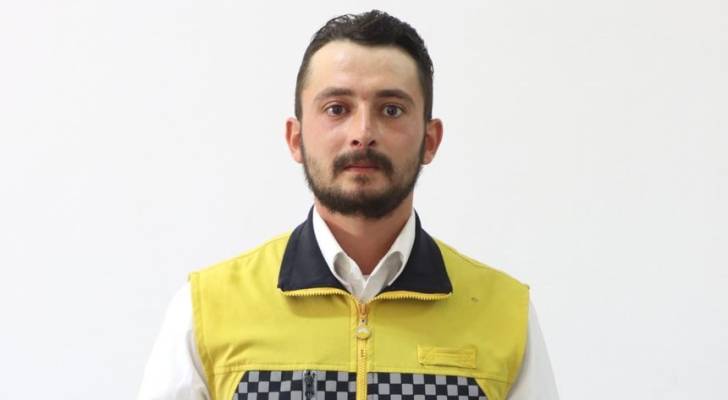
Their appearance was overseen by Imix’s Chief Executive Jenni Regan who was also on the show and was selected to ask a question, reports The Telegraph.
Ms Regan, who also volunteers with the RNLI in the Channel, later said appearing on Question Time was a daunting experience. She added: "Dover is not a particularly multicultural area" and she was therefore "conscious that many in the audience might hold anti-migrant views".
A Reform UK spokesman said: "“It is no surprise that the Question Time: Immigration Special sparked so many complaints. The programme represented a clear failure of impartiality, editorial judgment and audience selection by the BBC.
"We are seeing an increasingly blatant pattern of bias and prejudice from the taxpayer-funded broadcaster.
"The question remains as to why did the BBC think it was appropriate to give a national platform to men who entered Britain illegally, allowing them to lecture the British public and attempt to manipulate opinion on the immigration crisis?"
LATEST DEVELOPMENTS
- BBC Question Time 'bias' row erupts as viewers blast Fiona Bruce: 'Disgraceful!'
- BBC viewers outraged over 'bias' as they blast Fiona Bruce's Question Time remark
- Nigel Farage blasts BBC as Reform UK files formal complaint over 'planted audience member'
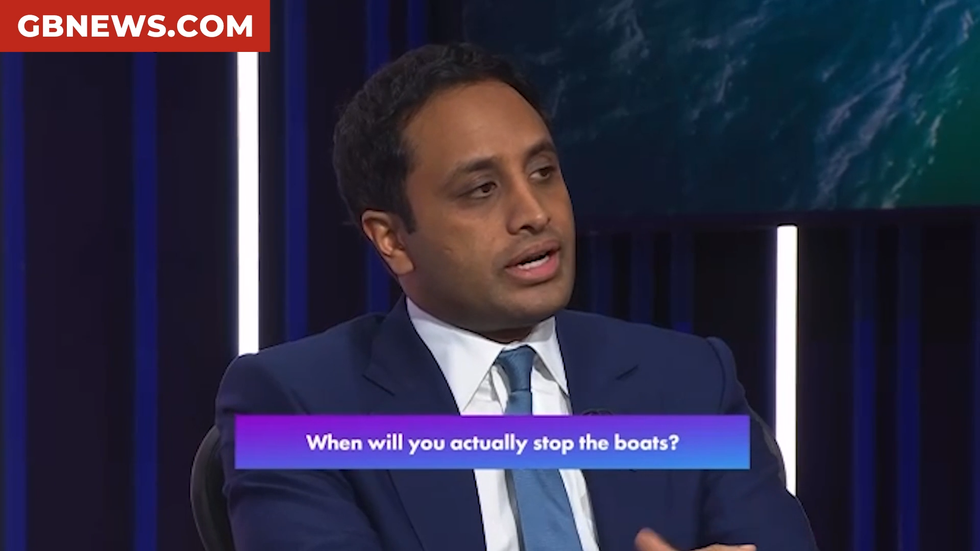
In the episode, Reform UK's Zia Yusuf told Ashraf he would be deported if Mr Farage becomes the Prime Minister.
When Ms Bruce asked Mr Yusuf if migrants such as Ashraf would be deported under a potential Reform government, he replied: "I don’t know enough about that particular story.
"In terms of broad strokes, if you are entering from a war zone, it is generally women and children first and the vast majority of the people coming to this country, via the English Channel, illegally, are men."
A spokesman from the BBC told GB News Imix was one of a number of organisations contacted before filming,with producers saying they want to "find audience members that could give different perspectives on the debate about immigration in the UK".
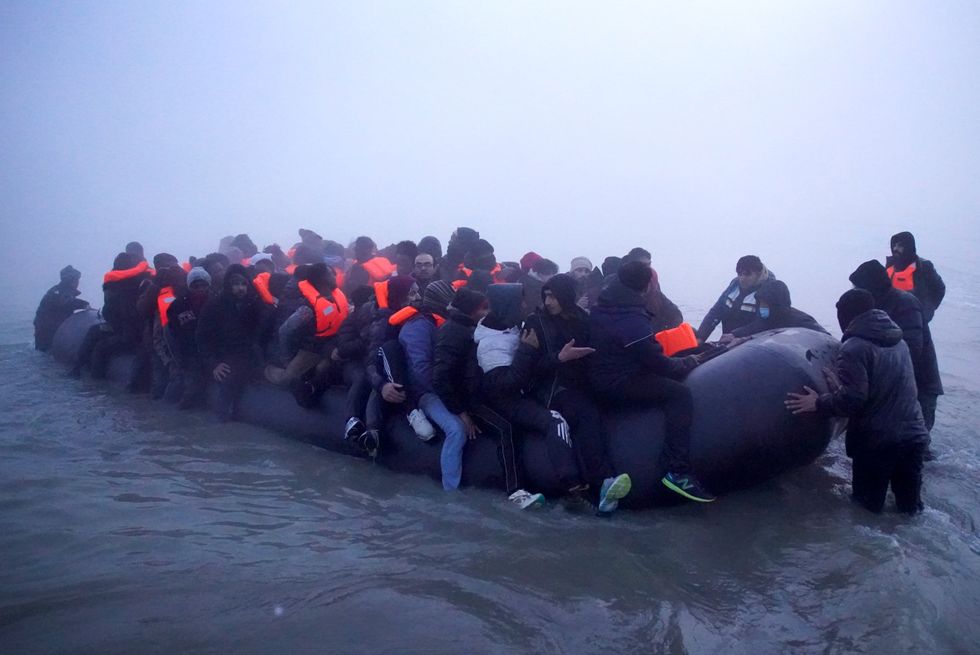
The broadcaster told The People's Channel: "The BBC has full editorial control over all its content. It is common practice across the media industry to engage with charities, among others, for research purposes and to help understand different perspectives when working on programmes or news stories.
"However, the BBC has strict guidelines to ensure impartiality and editorial independence.”
A spokesman for Imix told GB News: "For the BBC's Question Time immigration special, the programme approached local charities working in the sector, including Imix, to help include people with lived experience of seeking asylum in the audience.
"Helping journalists and productions connect with people who have relevant experience is a normal part of what a charity press office does. Journalists from across the political spectrum...have made similar requests to us, and we help where we can. "
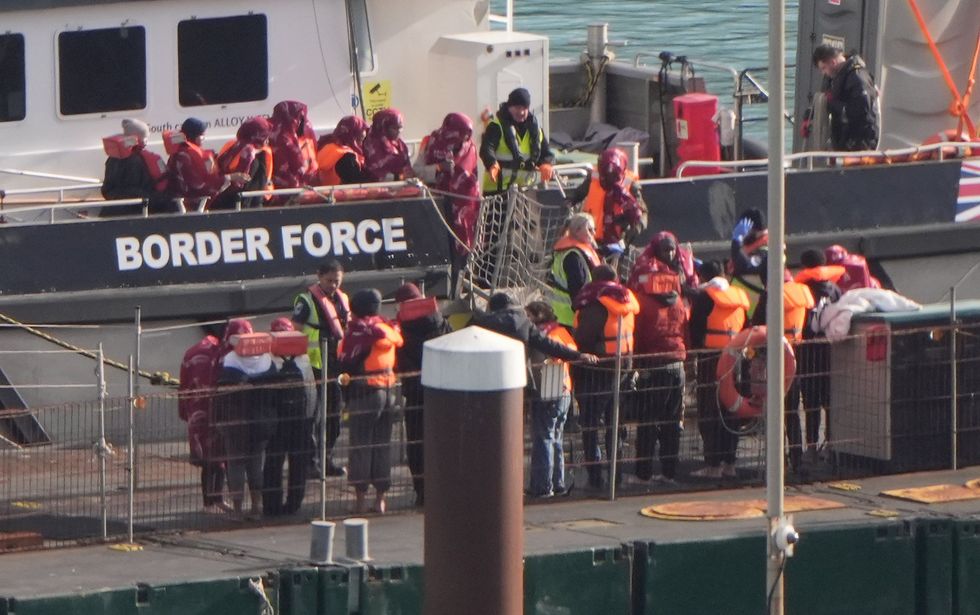
The spokesman continued: "We helped identify two people who wished to take part, and supported them beforehand so they felt informed and prepared.
"What Imix provides is safeguarding and practical support for people from refugee backgrounds who choose to speak publicly, making sure they understand what is involved, can give informed consent, and feel ready for what can be a daunting experience.
"We do not tell anyone what to say or what views to hold."
Our Standards: The GB News Editorial Charter