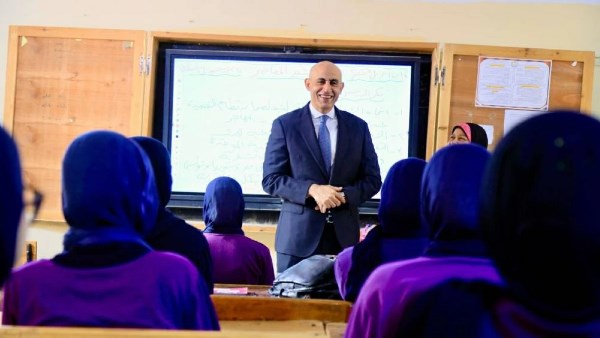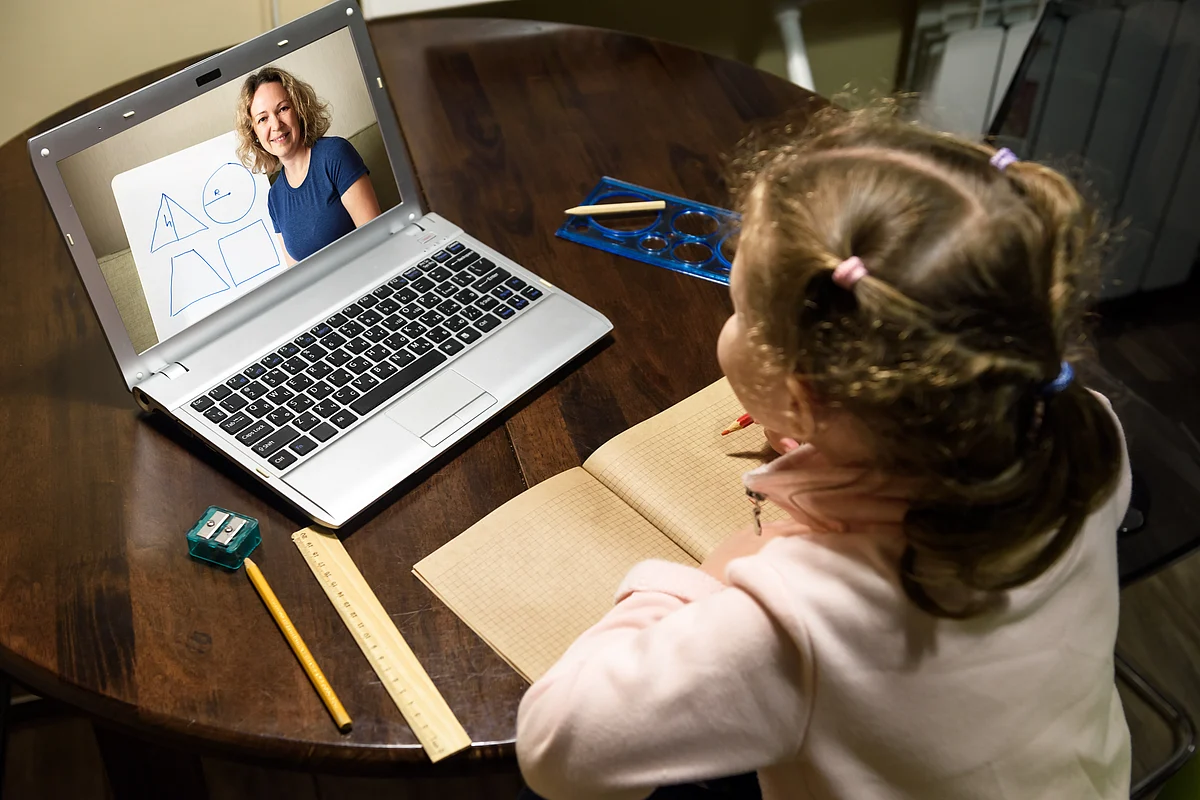
As students across the UAE settle back into classrooms, the legacy of online schooling is proving hard to shake off — and for good reason.
Schools are no longer viewing digital learning as a temporary fix, but as a complementary tool that continues to shape how lessons are delivered, assignments are managed, and students engage with content alongside face-to-face learning.
From interactive platforms and recorded lessons to AI-powered tools, many of the practices adopted during the pandemic and the US-Israel-Iran conflict are now embedded into everyday teaching.
Stay up to date with the latest news. Follow KT on WhatsApp Channels.
Educators in the UAE highlighted that this blended approach is helping create more flexible, personalised learning environments, while also ensuring that the return to physical classrooms restores vital elements like social interaction and hands-on experiences.
Schools are therefore treading carefully to maintain a healthy balance.
Digital tools find lasting place in daily teaching
Pretty Khosla, principal of Apple International Community School (AICS), explained that online and in-person learning are now running side by side rather than replacing one another.
"In line with the reopening protocols set by the Ministry of Education and KHDA, both in-person and online learning continue to co-exist as equally valid modes of education in our school, we have embraced this wholeheartedly. We’ve restructured our timetables so that online and onsite teaching happen in parallel across different classrooms, each with its own dedicated teacher fully focused on that group because quality learning demands undivided attention, whether it’s through a screen or face to face.
"At the same time, the wellbeing of our students and staff remains of paramount importance to us, guiding every decision we make in designing safe, balanced, and engaging learning environments," she said.
Highlighting how pandemic-era habits have endured, she added, “The digital habits our students built during the pandemic collaborative tools, self-paced resources, and recorded lessons haven’t faded; they have become part of the fabric of how we teach and learn every day.”
On balancing digital and traditional methods, Khosla emphasised that the transition has been seamless rather than disruptive. “I don’t see this as a shift at all, we have long followed BYOD and flipped learning approaches, so our students and teachers were already well-accustomed to balancing digital tools with hands-on, collaborative learning well before the pandemic. It has been a natural evolution rather than a transition.
A child in our classroom might research a concept on their own device one moment and walk into the lab to test it the next that fluidity has always been part of our culture.”
Echoing similar sentiments, Bhanu Sharma, principal of Woodlem Park Ajman, said schools are building on lessons learned during remote learning. “As students return to classrooms across the UAE, we are building on what we’ve learned. The most effective elements of online schooling, such as digital platforms for assignments, recorded lessons, and real-time feedback tools, were always embedded into our daily teaching though now we have witnessed the use of AI -avatars, tools to assist students and teachers equally.”
Balance between screen time and in-person engagement
Sharma added that classrooms are now more dynamic, with technology enhancing rather than replacing traditional methods. “What we’re seeing is a true shift toward blended learning, where technology enhances — not replaces — the classroom experience. Teachers are thoughtfully combining digital resources with face-to-face interaction, ensuring lessons are more engaging, flexible, and personalised.”
Principals also stressed the importance of restoring balance. “Many of the most effective elements of online learning have been thoughtfully integrated into our daily practice. The continued use of platforms such as Google Classroom to share resources, assignments, and feedback remains central, alongside interactive tools that promote collaboration and independent inquiry," said Sheela Menon, principal, Ambassador School, Dubai.
"We are mindful of maintaining a healthy balance, ensuring that technology enhances learning without leading to excessive screen time. Teachers are therefore blending the strengths of face-to-face instruction, such as direct engagement, discussion, and hands-on experiences with the efficiency and accessibility of digital tools,” added Menon.