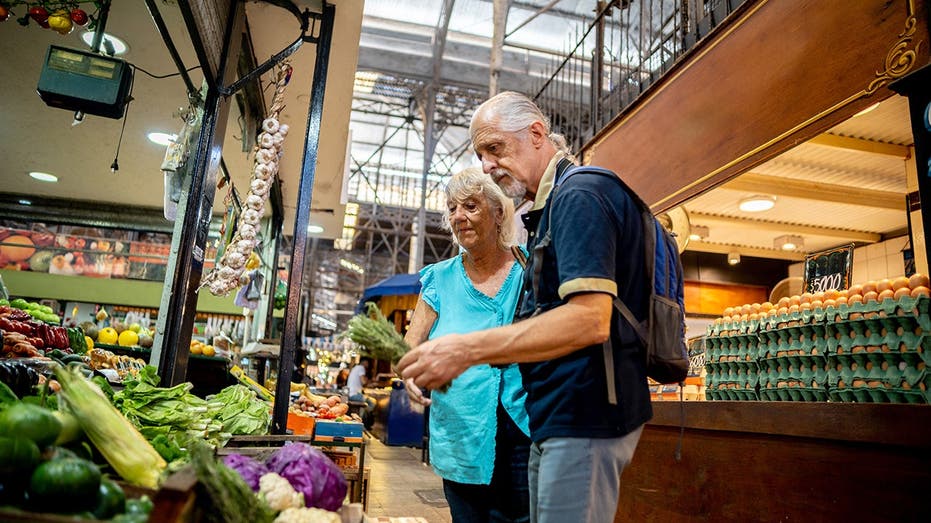
Baby boomers hate 10 things about today's grocery stores
•Grocery shopping has changed dramatically over the past 50 years, and not everyone is happy about it.Baby boomers — generally defined as those born between 1946 and 1964 — are particularly frustrated...
•Technology-driven shopping is among their biggest complaints, along with several other modern grocery-store changes.TRADER JOE'S WORKERS SHUT DOWN LONG-RUNNING CHECKOUT LINE RUMOR: 'OVER-THE-TOP FRIEN...
•In the 18-29-year-old demographic, meanwhile, 52% said they prefer self-checkout, while 26% said they would prefer cashier-assisted checkout.The major hangups boomers have with self-checkout is weight...
هذا الخبر من Fox News. خبر يقدم أدوات ذكاء اصطناعي للتلخيص والترجمة والاستماع.
المصدر: Fox News | Source: Fox NewsGrocery shopping has changed dramatically over the past 50 years, and not everyone is happy about it.
Baby boomers — generally defined as those born between 1946 and 1964 — are particularly frustrated by many of today's grocery-store features, according to The Takeout. Technology-driven shopping is among their biggest complaints, along with several other modern grocery-store changes.
TRADER JOE'S WORKERS SHUT DOWN LONG-RUNNING CHECKOUT LINE RUMOR: 'OVER-THE-TOP FRIENDLINESS'
When asked to choose between self‑checkout and cashier‑assisted checkout — each with equal lines — 62% of respondents to a YouGov survey aged 65-plus said they preferred cashier-assisted checkout, compared to 34% who said they like self-checkout.
Fifty percent of respondents aged 45-64 said they preferred checking out with a cashier, while 44% said they would choose self-checkout. In the 18-29-year-old demographic, meanwhile, 52% said they prefer self-checkout, while 26% said they would prefer cashier-assisted checkout.
The major hangups boomers have with self-checkout is weighting produce, the lack of human interaction and the feeling they’re doing free labor, The Takeout reported.
Cleanliness and organization are what baby boomers prioritize in grocery stores, a 2024 survey published by the Feedback Group found.
Boomers have a strong preference for supermarkets (32%), the survey found, while Walmart (28%) was their second choice for grocery shopping. Gen X shoppers preferred Walmart (28%), followed by supermarkets (25%), while Gen Z opted for Walmart (23%), Aldi (20%), dollar stores (17%) and club stores (15%). Traditional supermarkets ranked last among Gen Z shoppers, with only 11% reporting this as their go-to store.
Grocery stores carefully arrange products to encourage shoppers to spend more time in the store and buy more items.
TEST YOURSELF WITH OUR LATEST LIFESTYLE QUIZ
Frequent product relocations were another common complaint in the social-media responses highlighted by The Takeout.
The share of people aged 65 and older who are tech-users grew in the last decade, a 2022 Pew Research Center poll found. Despite this trend, many baby boomers say digital-only coupons put shoppers without smartphones at a disadvantage.
Trader Joe’s is an outlier, The Takeout noted, since the grocery-store chain doesn’t offer discounts or sales.
Shopping carts offer a "tactical maneuver" for some older adults who rely on them for mobility and stability purposes and as a rest aid, according to The Takeout.
Several baby boomers reacted to a Facebook post asking about their grocery-shopping experience to say they value shopping carts with wheels that swivel easily and are easy to push.
While younger generations are more likely to shop at budget grocery stores and buy off-brand products, a sizable number of baby boomers always go for name brands.
More than one in four (26%) baby boomers "rarely or almost never consider switching from their favorite brand," a Numerator survey on consumer trends found.
CLICK HERE FOR MORE LIFESTYLE NEWS
A Reddit forum featured many commenters expressing frustration with the older generation for spending more money for a comparable, generic product, The Takeout reported.
Many Americans grew accustomed to encountering out-of-stock items when the COVID-19 pandemic disrupted the supply chain. But baby boomers aren’t as accepting of the reality as others, according to social-media posts on the subject.
Many retirees live on fixed incomes and rely on sale-priced products to help stretch their grocery budgets, meaning unavailable items can have a greater financial impact on older adults.
Food retailers have faced recruitment and retention challenges in recent years, and it’s a pattern keenly felt by baby boomers.
Social-media comments summarized by The Takeout suggest many boomers associate understaffing with longer checkout lines, slower service and fewer opportunities for personal interaction with employees.
Going hand-in-hand with frustrations over self-checkout and understaffed stores, many baby boomers also dislike the growing absence of dedicated grocery baggers.
CLICK HERE TO SIGN UP FOR OUR LIFESTYLE NEWSLETTER
Plenty of boomers complain on social media about this modern grocery-store, expressing frustration at doing their own labor, according to The Takeout.
Millennials, those born between 1981 and 1996, comprise the generation most likely to spend money on prepared grocery meals, a U.S. Department of Agriculture survey found. Prepared meals often cost significantly more than cooking from raw ingredients because shoppers pay for the added convenience.
According to research summarized by the Institute of Food Technologists from FMI’s (originally the Food Marketing Institute) U.S. Grocery Shopper Trends report, 29% of shoppers ages 65 and older reported buying prepared foods to save time, compared with 45% of shoppers ages 15 to 24.
ملاحظة تحريرية | Editorial Note: نُشر هذا المقال في الأصل بواسطة Fox News. خبر (Khabr) هي منصة إعلامية أردنية مرخّصة تعمل بالذكاء الاصطناعي. نضيف قيمة تحريرية من خلال: تحليل ذكي للأخبار، ملخصات تلقائية، رواية صوتية بالذكاء الاصطناعي، ترجمة متعددة اللغات، وتدقيق الحقائق. هدفنا جعل الأخبار أكثر وضوحاً وسهولةً للقارئ العربي.
This article was originally published by Fox News. Khabr is a licensed Jordanian AI-powered news platform (Registration #82086). We add editorial value through: AI-powered news analysis, automated summaries, AI audio narration, multi-language translation (Arabic, English, French, Turkish), and AI fact-checking. Our mission is to make news more accessible and understandable for Arabic-speaking audiences worldwide.