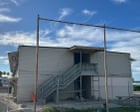
Australia spent more than $9m for each asylum seeker held on Nauru last year – so why can’t they afford to buy food?
•Australia spent over $9 million per asylum seeker on Nauru last year.
•Despite this expenditure, many asylum seekers report skipping meals due to food insecurity.
•A recent survey indicates that refugees are struggling to afford food and clean drinking water.
المصدر: The Guardian World | Source: The Guardian WorldMany of the more than 100 people awaiting processing on the tiny Pacific island are skipping meals to make ends meet, a new survey has found
Get our breaking news email, free app or daily news podcast
Most refugees and asylum seekers held in Nauru’s detention centres says they cannot afford to buy enough food or access clean drinking water, despite the Australian government spending the equivalent of more than $9m per person last financial year.
The group of more than 100 people have been sent indefinitely to the tiny Pacific island while they wait for their asylum claims to be processed. Many of the cohort say they are skipping meals to make ends meet, according to a new survey by the Asylum Seeker Resource Centre (ASRC) advocacy group.
Continue reading...
→Australia spent over $9 million per asylum seeker on Nauru last year.
→Despite this expenditure, many asylum seekers report skipping meals due to food insecurity.
ملاحظة تحريرية | Editorial Note: نُشر هذا المقال في الأصل بواسطة The Guardian World. خبر (Khabr) هي منصة إعلامية أردنية مرخّصة تعمل بالذكاء الاصطناعي. نضيف قيمة تحريرية من خلال: تحليل ذكي للأخبار، ملخصات تلقائية، رواية صوتية بالذكاء الاصطناعي، ترجمة متعددة اللغات، وتدقيق الحقائق. هدفنا جعل الأخبار أكثر وضوحاً وسهولةً للقارئ العربي.
This article was originally published by The Guardian World. Khabr is a licensed Jordanian AI-powered news platform (Registration #82086). We add editorial value through: AI-powered news analysis, automated summaries, AI audio narration, multi-language translation (Arabic, English, French, Turkish), and AI fact-checking. Our mission is to make news more accessible and understandable for Arabic-speaking audiences worldwide.