Australia braces for 'Godzilla' El Niño as scientists warn it could become one of the strongest weather events on record: What it means for you
•Published: 01:07, 12 June 2026 | Updated: 01:27, 12 June 2026 A leading scientist has warned Australians to brace for extreme weather later this year as a potential 'Godzilla' El Niño develops in the...
•Physicist Dr Gail Isles said the natural climate pattern, which typically occurs every four to five years, should concern Australians because it is associated with hotter, drier conditions that can in...
•'It means that we're getting drier winds, and drier winds are going to dry out the foliage - that's going to make everything like a tinder box, and it means that the slightest spark is just going to g...
هذا الخبر من Daily Mail. خبر يقدم أدوات ذكاء اصطناعي للتلخيص والترجمة والاستماع.
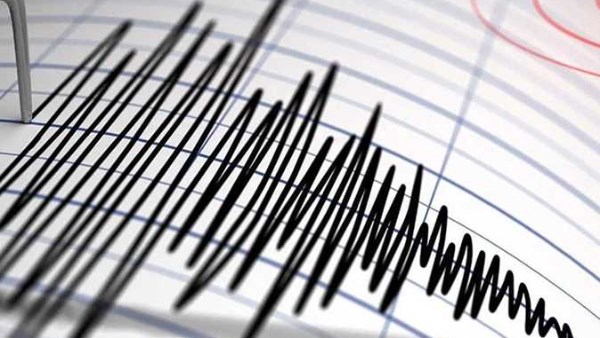
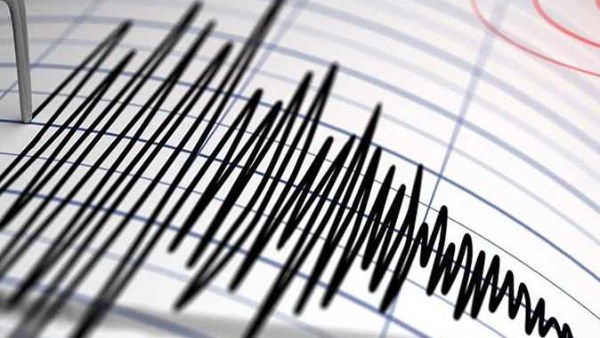
Published: 01:07, 12 June 2026 | Updated: 01:27, 12 June 2026 A leading scientist has warned Australians to brace for extreme weather later this year as a potential 'Godzilla' El Niño develops in the Pacific. Physicist Dr Gail Isles said the natural climate pattern, which typically occurs every four to five years, should concern Australians because it is associated with hotter, drier conditions that can increase the risk of bushfires. 'It means that we're getting drier winds, and drier winds are going to dry out the foliage - that's going to make everything like a tinder box, and it means that the slightest spark is just going to generate bush fires,' Dr Isles told 3AW on Friday. Dr Isles explained that El Niño raises temperatures in the Pacific Ocean, reducing the moist easterly winds that usually bring rainfall to Australia's east coast. 'These El Nino events occur every four to five years. The last one was 2023 so we are building towards another one,' she said. Her comments come just days after weather experts confirmed the developing El Niño could rank among the strongest on record. Climate scientists fear the event could become a 'Godzilla' or 'Super' El Niño by the end of the year, with the Bureau of Meteorology noting the tropical Pacific had warmed by 0.81 degrees Celsius. In Australia, a temperature anomaly of 0.8C or higher is considered the threshold for an El Niño event. The El Nino event, known to bring bushfires and drought, is set to hit Australia later this year Physicist Dr Gail Isles said the event should concern us all and warned Aussies to be ready She said El Nino raises the temperature of the Pacific Ocean which means higher temperatures While no timeframe has been confirmed, experts say the development of El Niño appears increasingly likely based on a range of climate indicators. 'Computer models suggest that this El Niño signal is likely to strengthen further in the coming months and could persist through winter and spring in the Southern Hemisphere,' Weatherzone meteorologist Ben Domensino said. 'In addition to the recent ocean warmth, there are also signs that the atmosphere has started responding to the warming in the tropical Pacific Ocean. 'These early signs of ocean-atmosphere coupling are a clear sign that El Niño is getting underway.' The United States' National Oceanic and Atmospheric Administration says there is a 63 per cent chance the event will become 'very strong' between November 2026 and January 2027. Climate scientists have warned the developing El Niño could rival the event of 1877, which triggered severe droughts and crop failures around the world and is believed to have contributed to more than 50 million deaths globally. Many climate historians regard the 1877 event as one of the first truly global climate disasters, with some arguing it helped reshape world history. A rise of just 2.7C in Pacific Ocean sea surface temperatures caused widespread disruption across multiple continents. El Nino will bring drier and hotter conditions, raising the likelihood of intense droughts Athorities have confirmed the Pacific has warmed by 0.81 degrees - a clear sign of El Nino Australia, Southeast Asia and parts of Africa experienced severe drought and forest fires. India saw its normal monsoon rains disappear, while northern China suffered devastating dry spells that led to harvest failures. In Brazil, rivers dried up and agriculture collapsed. Researchers have estimated that the resulting scarcity of food and disease outbreaks killed up to 4 percent of the Earth's population at the time. El Niño typically brings reduced rainfall, warmer temperatures, shifts in temperature extremes, an increased risk of frost, fewer tropical cyclones, a later monsoon onset, greater fire danger across southeast Australia and reduced alpine snow depths. The comments below have not been moderated. The views expressed in the contents above are those of our users and do not necessarily reflect the views of MailOnline. By posting your comment you agree to our house rules. Do you want to automatically post your MailOnline comments to your Facebook Timeline? Your comment will be posted to MailOnline as usual. Do you want to automatically post your MailOnline comments to your Facebook Timeline? Your comment will be posted to MailOnline as usual We will automatically post your comment and a link to the news story to your Facebook timeline at the same time it is posted on MailOnline. To do this we will link your MailOnline account with your Facebook account. We’ll ask you to confirm this for your first post to Facebook. You can choose on each post whether you would like it to be posted to Facebook. Your details from Facebook will be used to provide you with tailored content, marketing and ads in line with our Privacy Policy.المصدر: Daily Mail | Source: Daily Mail
ملاحظة تحريرية | Editorial Note: نُشر هذا المقال في الأصل بواسطة Daily Mail. خبر (Khabr) هي منصة إعلامية أردنية مرخّصة تعمل بالذكاء الاصطناعي. نضيف قيمة تحريرية من خلال: تحليل ذكي للأخبار، ملخصات تلقائية، رواية صوتية بالذكاء الاصطناعي، ترجمة متعددة اللغات، وتدقيق الحقائق. هدفنا جعل الأخبار أكثر وضوحاً وسهولةً للقارئ العربي.
This article was originally published by Daily Mail. Khabr is a licensed Jordanian AI-powered news platform (Registration #82086). We add editorial value through: AI-powered news analysis, automated summaries, AI audio narration, multi-language translation (Arabic, English, French, Turkish), and AI fact-checking. Our mission is to make news more accessible and understandable for Arabic-speaking audiences worldwide.