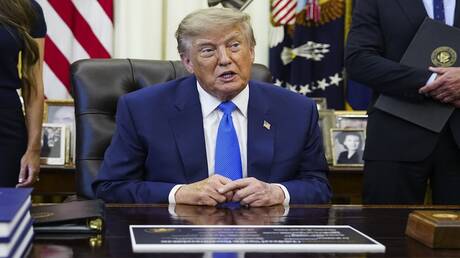
Artificial Intelligence Investment Will Hit 2% Of U.S. GDP In 2026, Analyst Says—Nearing Defense Spending Levels
•BreakingBusinessArtificial Intelligence Investment Will Hit 2% Of U.S.
•GDP In 2026, Analyst Says—Nearing Defense Spending LevelsByMary Whitfill Roeloffs,Forbes Staff.
•Mary Roeloffs is a Forbes breaking news reporter covering pop culture.Follow AuthorJun 05, 2026, 01:31pm EDTToplineNew analysis from TS Lombard shows the United States is on track to devote approximat...
هذا الخبر من Forbes Business. خبر يقدم أدوات ذكاء اصطناعي للتلخيص والترجمة والاستماع.
ملاحظة تحريرية | Editorial Note: نُشر هذا المقال في الأصل بواسطة Forbes Business. خبر (Khabr) هي منصة إعلامية أردنية مرخّصة تعمل بالذكاء الاصطناعي. نضيف قيمة تحريرية من خلال: تحليل ذكي للأخبار، ملخصات تلقائية، رواية صوتية بالذكاء الاصطناعي، ترجمة متعددة اللغات، وتدقيق الحقائق. هدفنا جعل الأخبار أكثر وضوحاً وسهولةً للقارئ العربي.
This article was originally published by Forbes Business. Khabr is a licensed Jordanian AI-powered news platform (Registration #82086). We add editorial value through: AI-powered news analysis, automated summaries, AI audio narration, multi-language translation (Arabic, English, French, Turkish), and AI fact-checking. Our mission is to make news more accessible and understandable for Arabic-speaking audiences worldwide.