Archaeological discoveries reveal that ancient Egyptian princesses were skilled hunters
•Ancient Egyptian princesses were skilled in archery and hunting, new archaeological discoveries have revealed.The findings challenge long-held assumptions about the ceremonial nature of weapons found...
•TRENDING Stories Videos Your Say Princess Ita was interred alongside an ornate dagger.Researchers initially dismissed these objects as purely symbolic, but detailed examination of the skeletal re...
هذا الخبر من GB News. خبر يقدم أدوات ذكاء اصطناعي للتلخيص والترجمة والاستماع.
المصدر: GB News | Source: GB NewsAncient Egyptian princesses were skilled in archery and hunting, new archaeological discoveries have revealed.
The findings challenge long-held assumptions about the ceremonial nature of weapons found in royal tombs.
The mummified remains of three daughters of Pharaoh Amenemhat II were originally unearthed at the Dahshur cemetery in northern Egypt during the 1890s, but were later lost before being rediscovered at the Egyptian Museum in Cairo.
Bows, arrows and other weaponry accompanied the women in their burials, items typically linked to male occupants.
TRENDINGStoriesVideosYour SayPrincess Ita was interred alongside an ornate dagger.
Researchers initially dismissed these objects as purely symbolic, but detailed examination of the skeletal remains has now overturned that interpretation entirely.
Analysis of the bones revealed pronounced muscle attachments, particularly developed upper limbs and evidence of fractures that had healed over time.
Dr Zeinab Hashesh, lead author of the study, said: "We found pronounced development in the upper limbs of these individuals, which correlates to repetitive, high-intensity actions like pulling a bowstring or stabilising a weapon, proving these activities were habitual throughout their lives."
She added: "This directly explains the presence of bows, arrows and maces in the women's tombs; these were not just symbolic gifts but tools they actively used."
The robust skeletal markers indicate the sisters engaged in physically demanding pursuits consistent with the weaponry discovered alongside them.
Princess Ita died between the ages of 28 and 34, with her powerful upper body musculature suggesting regular use of maces and daggers throughout her life.
Her sister Khenmet passed away in her late 30s or early 40s, displaying signs of bone thinning yet remarkably strong ligament attachments.
LATEST DEVELOPMENTS
- Archaeologists discover 'extremely rare' 2,300-year-old iron shackles highlighting slave trade
- Archaeologists decipher name of Mayan astronomer for first time in history: 'Wonderful discovery!'
- Archaeologists discover 3,000-year-old tomb next to Ancient Egyptian necropolis
Princess Itaweret, who died aged between 20 and 34, had suffered broken ribs and foot fractures during her lifetime, with her skeletal structure confirming she was an accomplished archer.
Prof Hashesh explained: "These injuries were most likely caused by accidents, falls, hard blows or other impacts linked to an active lifestyle, whether through hunting, military training, or other demanding activities."
The well-healed fractures suggest the princesses received sophisticated medical treatment.
Additional mummies discovered in the vicinity, such as Princess Noub-Hotep, provided further confirmation that royal women mastered archery skills.
The findings contribute to growing evidence of gender equality within ancient Egyptian society.
Historical records document royal women commanding military campaigns, mobilising troops, suppressing uprisings and personally leading soldiers into combat.
Several prominent female rulers earned reputations as formidable military figures, including Queen Ahhotep I, Pharaoh Hatshepsut, Queen Nefertiti and Cleopatra.
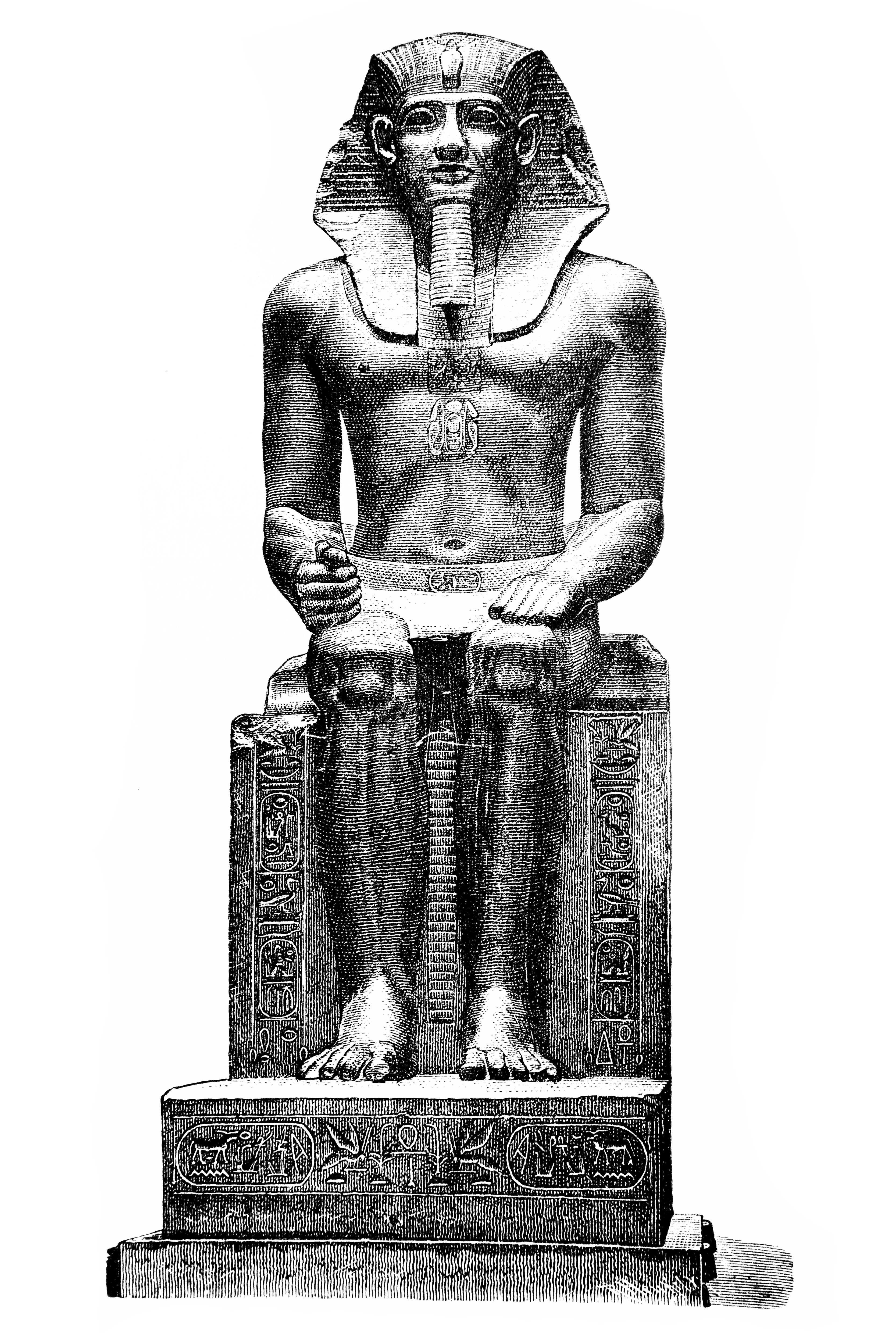
Amenemhat II ruled as the third king of the 12th dynasty during Egypt's Middle Kingdom period, dying in 1895 BC.
His daughters Ita, Itaweret and Khenmet were mummified and laid to rest within his pyramid complex.
The research appears in Frontiers in Environmental Archaeology.
Our Standards: The GB News Editorial Charter


ملاحظة تحريرية | Editorial Note: نُشر هذا المقال في الأصل بواسطة GB News. خبر (Khabr) هي منصة إعلامية أردنية مرخّصة تعمل بالذكاء الاصطناعي. نضيف قيمة تحريرية من خلال: تحليل ذكي للأخبار، ملخصات تلقائية، رواية صوتية بالذكاء الاصطناعي، ترجمة متعددة اللغات، وتدقيق الحقائق. هدفنا جعل الأخبار أكثر وضوحاً وسهولةً للقارئ العربي.
This article was originally published by GB News. Khabr is a licensed Jordanian AI-powered news platform (Registration #82086). We add editorial value through: AI-powered news analysis, automated summaries, AI audio narration, multi-language translation (Arabic, English, French, Turkish), and AI fact-checking. Our mission is to make news more accessible and understandable for Arabic-speaking audiences worldwide.