The Prime Minister has returned from his summer holiday (two weeks after starting the job, of course). And the time off has clearly been formative.
One pictures Andy Burnham stretched under a parasol, slathered in suncream in his budgie smugglers, deep into a box set on his iPad. But then the screen dims.
The question Netflix asks all of us in our weaker moments is posed: "Are you still watching?" Somewhere between that prompt and the flight home, government policy was born.
On Sunday, his first day back at his desk, Burnham announced a crackdown on "subscription traps". From next January, businesses must make leaving a subscription as easy as joining one, with clearer information, regular reminders, and a 14-day cooling-off period when a free trial ends.
Downing Street solemnly informs us Britons spend £1.6billion a year on subscriptions they do not actually want. Before we come to the two glaring problems, let us at least admire the effrontery of the state bemoaning unwanted subscriptions.
Other than, you know, TAX, there is one subscription in this country that genuinely cannot be cancelled. That being the BBC licence fee.
It costs £180 a year, rises automatically with inflation, and must be paid if you watch any live television at all (including GB News itself). Decline to pay, and you have committed a criminal offence.
The Corporation collected £3.8billion this way last year. If the Labour leader wishes to liberate Britons from subscription traps, he might start with the only one enforced by the courts.

Now the problems. First, the principle.
A subscription is a contract entered into freely by consenting adults. I may have been guilty of shelling out on aspirational gym memberships that never quite justified the cost.
However, that is on me and I do not want Big Brother butting in. Besides, where firms engage in genuine sharp practice, consumer law already forbids it.
Instead, No10 proposes the state insert itself into millions of private, voluntary arrangements. Because a cheap announcement polls well and costs the Treasury nothing.
LATEST DEVELOPMENTS
- Andy Burnham pledges to tackle cost of living crisis as households lose £100s to 'subscription traps'
- France admits there's 'no limit' to mega-dinghy migrants while police stand and watch boats launch
- Jess Phillips admits she pulled sickie to dodge MPs' questions on Lord Mandelson

Second, the timing. A day after this crackdown was topping the news bulletins, a dinghy carrying 230 people – roughly the passenger load of a Boeing 737 – arrived on the Kent coast.
It was the largest number ever recorded on a single vessel in the Channel, smashing the previous record of 165 set only last month. More than 950 people arrived over the weekend alone; more than 15,000 have arrived this year.
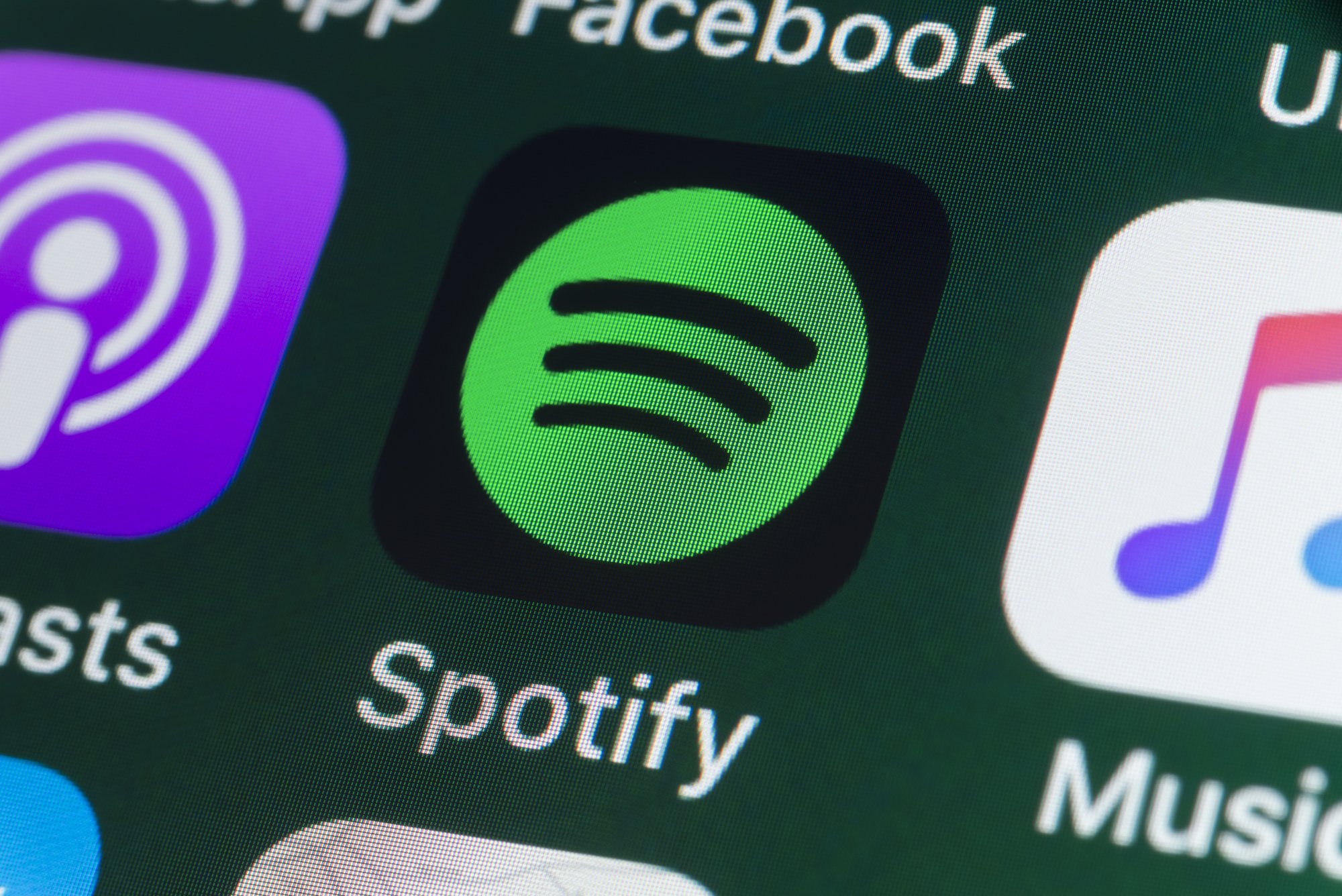
That is the in-tray the Prime Minister came home to. Faced with it, he has chosen to worry about Spotify Premium.
This is government as displacement activity, contrived to fill a Sunday news grid while the hard, unglamorous work of securing the border goes undone. His new rules promise a cooling-off period whenever a contract automatically renews.
If only the same applied to governments. There is no easy exit from a prime minister and no cancellation button before the next election.
Until then, the country sits on the sofa as the screen dims and asks the only question that matters: "Are you still watching, Prime Minister?" Because Britain would already like to cancel.
Our Standards: The GB News Editorial Charter