⚡ عاجل: كريستيانو رونالدو يُتوّج كأفضل لاعب كرة قدم في العالم●⚡ أخبار عاجلة تتابعونها لحظة بلحظة على خبر●⚡ تابعوا آخر المستجدات والأحداث من حول العالم●
AI اقتراحات ذكية
AI مباشر|--مشاهد مباشر
850,592مقال404مصدر نشط224قناة مباشرة4,916خبر اليوم
آخر تحديث:منذ 0 ثانية
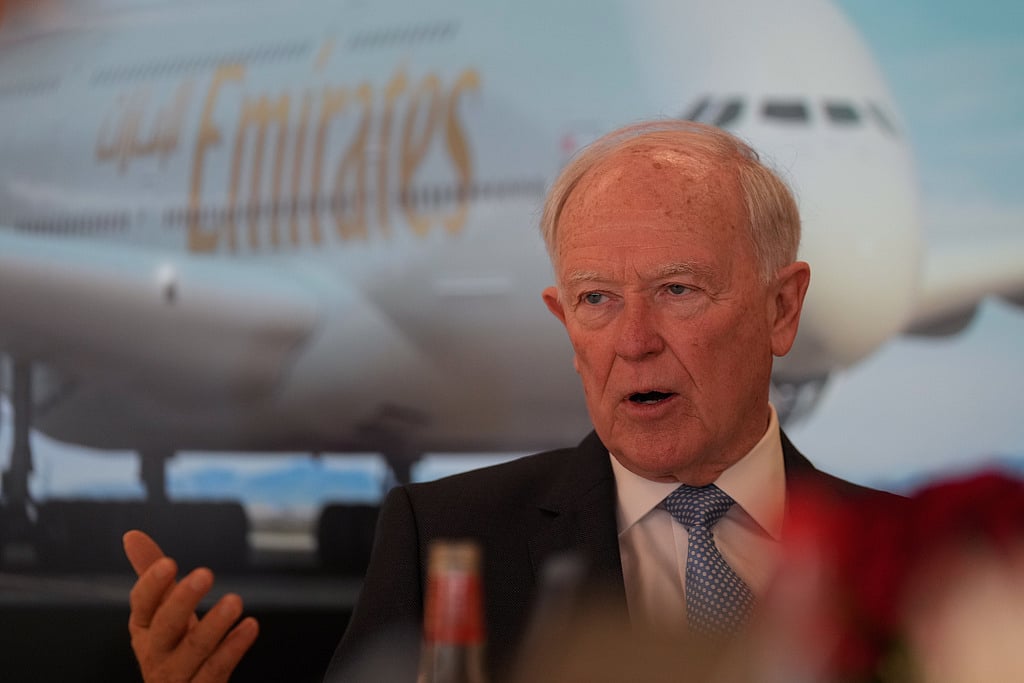
Airline will have a quick rebound from Iran war, says Emirates' Tim Clark
Sign up for our daily business newsletter, Cheques & Balances.
Speaking at the CAPA Airline Leader Summit in Berlin, Clark said the airline is operating at 65 per cent of its capacity, with roughly 13 per cent of its network still inaccessible due to ongoing airspace disruptions, Bloomberg reported.
“I don’t think things will change how we operate the airline or this model,” Clark said. “We can get this back — the brand is particularly strong.”
Capacity hit
Clark said a full recovery will depend on the reopening of the Strait of Hormuz — a critical air and shipping corridor — after which the airline expects one to two months of disruption before operations normalise.
The conflict, which began in late February, forced airlines across the region to sharply scale back operations, including cancelling thousands of flights and temporarily grounding large parts of its fleet.
Get updated faster and for FREE: Download the Gulf News app now - simply click here.
Demand holds
Despite the operational challenges, Clark said demand remains resilient, with passengers continuing to travel even as routes are adjusted and journey times lengthen.
He added that Emirates is not concerned about fuel supply constraints, even as global oil prices surge, and believes demand will be strong enough to absorb higher operating costs.
This comes at a time when airlines globally are grappling with rising fuel prices — now above $100 per barrel — which are putting pressure on margins and fares.
During my visit to Dubai International Airport, which has retained its position as the world’s busiest airport for international passengers for the twelfth consecutive year, I reviewed operations and passenger services. I also visited the Dubai Police operations centre, where I… pic.twitter.com/D5o45DTzrN
Clark, who has overseen Emirates’ rise into one of the world’s largest long-haul carriers, said the airline remains focused on long-term growth and profitability.
He added that Emirates will continue with its aircraft retrofit programme, upgrading older planes as part of its strategy to maintain product quality. Emirates has a fleet of over 250 wide-body planes and has an orderbook of 375 more jets.
Looking ahead, Clark said he expects the airline to emerge from the current crisis in a strong financial position.
“By the end of the year, we will have improved our financial metrics and still be the most profitable airline,” he said.
Clark's comments underline Emirates’ and Dubai's confidence in its hub-and-spoke model, even as the aviation industry faces one of its most challenging periods in recent years due to geopolitical tensions, airspace restrictions and rising costs.
Recently, Sheikh Hamdan bin Mohammed bin Rashid Al Maktoum, Crown Prince of Dubai, Deputy Prime Minister and Minister of Defence, and Chairman of The Executive Council of Dubai, visited Emirates and praised the efforts of trams working in Dubai's aviation ecosystem.
“I am proud of the teams at Dubai Airports, Emirates and flydubai. Our world-class aviation ecosystem continues to maintain smooth, efficient operations amid evolving conditions while ensuring safety, reflecting the resilience and preparedness of Dubai’s systems,” he shared on social media. Emirates now serves 123 destinations across 65 countries.
ملاحظة تحريرية | Editorial Note:
نُشر هذا المقال في الأصل بواسطة Gulf News.
خبر (Khabr) هي منصة إعلامية أردنية مرخّصة تعمل بالذكاء الاصطناعي.
نضيف قيمة تحريرية من خلال: تحليل ذكي للأخبار، ملخصات تلقائية، رواية صوتية بالذكاء الاصطناعي، ترجمة متعددة اللغات، وتدقيق الحقائق.
هدفنا جعل الأخبار أكثر وضوحاً وسهولةً للقارئ العربي.
This article was originally published by Gulf News.
Khabr is a licensed Jordanian AI-powered news platform (Registration #82086).
We add editorial value through: AI-powered news analysis, automated summaries, AI audio narration, multi-language translation (Arabic, English, French, Turkish), and AI fact-checking.
Our mission is to make news more accessible and understandable for Arabic-speaking audiences worldwide.
هذا الخبر ضمن تغطية خبر لقسم اقتصاد.
نقدّم لك تحليلات ذكية وملخصات يومية لأهم الأخبار من مصادر موثوقة متعددة.
المصدر: Gulf News.
يوجد 6 مقالات مرتبطة بهذا الموضوع.
This article is part of Khabr's coverage of Economy.
We provide AI-powered analysis, summaries, and multi-source aggregation to keep you informed.
Source: Gulf News.
Tags: airline, recovery, Iran war.
🍪 نستخدم ملفات تعريف الارتباط لتحسين تجربتك وعرض الإعلانات المخصصة. باستخدامك للموقع، فإنك توافق على سياسة ملفات تعريف الارتباط وسياسة الخصوصية.
We use cookies to enhance your experience and show personalized ads. By using this site, you agree to our Cookie Policy and Privacy Policy.
FREEFree 1GB Internet + Free International Calls
$1 trial — eSIM in 190+ countries — No roaming charges