After 2026: Spain's legacy, Argentina's future and a 64-team gamble
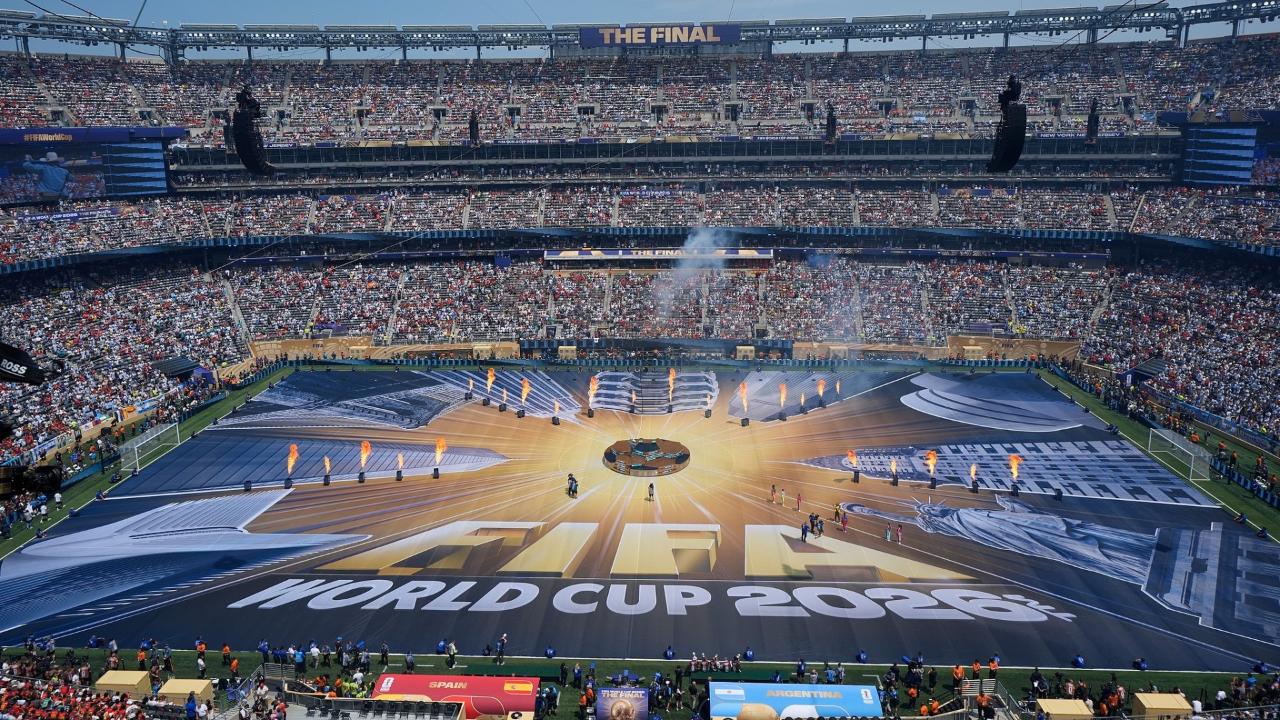
•Spain lifted a second World Cup title to follow up on the nation's 2010 crown in South Africa.
•The confetti has settled, but the real conversations are just beginning.
•In this episode of Sideline Story, we break down what the 2026 World Cup actually means for the future of the beautiful game.
هذا الخبر من CGTN EN. خبر يقدم أدوات ذكاء اصطناعي للتلخيص والترجمة والاستماع.
المصدر: CGTN EN | Source: CGTN ENSpain lifted a second World Cup title to follow up on the nation's 2010 crown in South Africa. The confetti has settled, but the real conversations are just beginning. In this episode of Sideline Story, we break down what the 2026 World Cup actually means for the future of the beautiful game. Did La Roja's possession-based victory revive a dying philosophy – or was it a one-off? Can Argentina survive a new era without collapsing and possibly without the legendary Lionel Messi? With big post-tournament managerial changes taking place, who's truly building something exciting for 2030? Plus, FIFA is flirting with an expansion to 64 teams, up from the record 48 teams that competed this year. Could it work and finally give China a real shot at reaching the World Cup for the first time since 2002?
ملاحظة تحريرية | Editorial Note: نُشر هذا المقال في الأصل بواسطة CGTN EN. خبر (Khabr) هي منصة إعلامية أردنية مرخّصة تعمل بالذكاء الاصطناعي. نضيف قيمة تحريرية من خلال: تحليل ذكي للأخبار، ملخصات تلقائية، رواية صوتية بالذكاء الاصطناعي، ترجمة متعددة اللغات، وتدقيق الحقائق. هدفنا جعل الأخبار أكثر وضوحاً وسهولةً للقارئ العربي.
This article was originally published by CGTN EN. Khabr is a licensed Jordanian AI-powered news platform (Registration #82086). We add editorial value through: AI-powered news analysis, automated summaries, AI audio narration, multi-language translation (Arabic, English, French, Turkish), and AI fact-checking. Our mission is to make news more accessible and understandable for Arabic-speaking audiences worldwide.