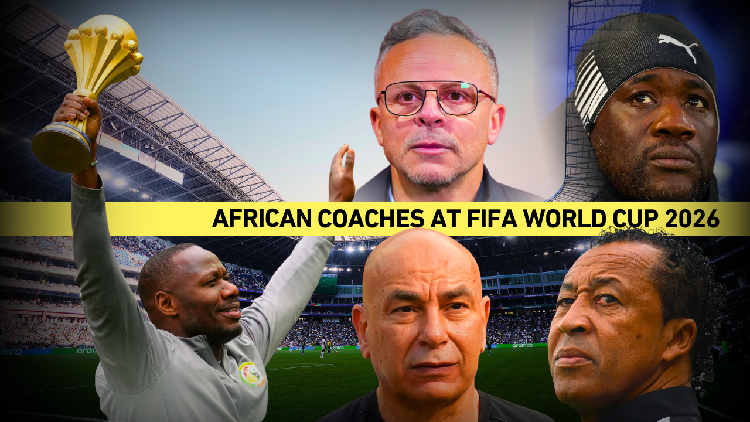
For several years, African football federations were inclined to cast their eyes abroad for leadership, believing that foreign coaches offered the much needed experience to elevate the standards of the sport in the continent and compete at the highest level. Today, that perception is rapidly changing. A new generation of African coaches is intent on proving that local knowledge, cultural understanding, and African tactical sophistication can be just as powerful—if not more effective—when guiding national teams on the continental and world stage.
Their journeys might differ, but they share a common trait: an intimate understanding of the players, cultures, and footballing realities of the nations they represent.
As Africa prepares for another FIFA World Cup cycle, these coaches come into the tournament carrying more than just national expectations. Their achievements at local and continental level, and, for some, at international level, have already demonstrated their credentials; the next challenge is translating that success onto football's biggest stage, consistently.
Emerse Fae (Cote d'Ivoire)
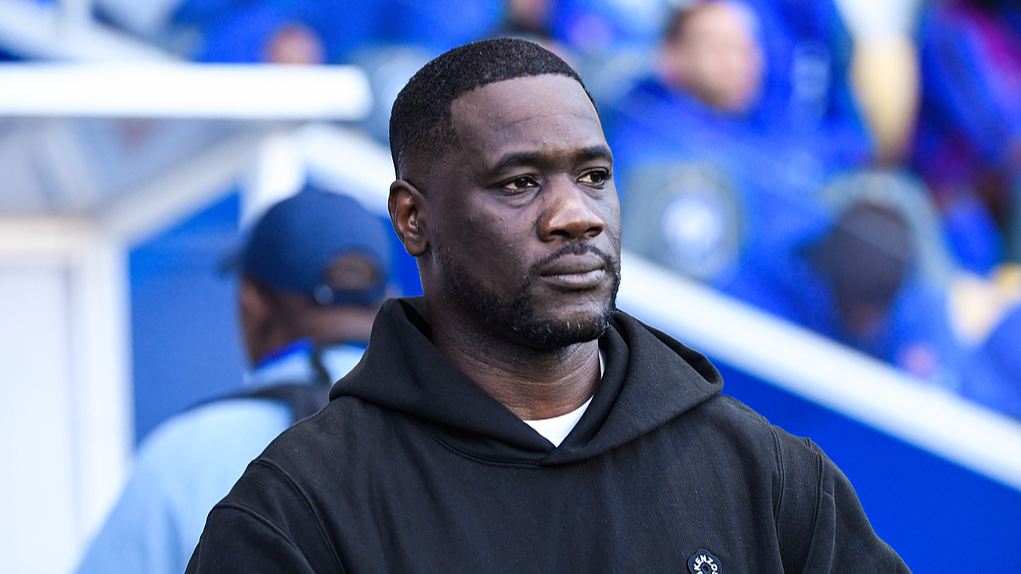
Emerse Fae's football journey began in Europe but matured on the African international stage. He was born in France and built a solid playing career as a combative midfielder. His club career included spells at Nantes and Nice in France and Reading in England, where he experienced Premier League football firsthand.
Though he represented France at youth level, Fae eventually switched his allegiance to Cote d'Ivoire. He won 41 caps for the Elephants, featuring at both the 2006 FIFA World Cup and the 2006 Africa Cup of Nations (AFCON) final run.
After he retired from playing, Fae transitioned into coaching through youth development at OGC Nice and reserve-team work at Clermont Foot. He later joined Cote d'Ivoire's technical setup as an assistant coach.
His breakthrough moment came during the 2023 AFCON, which was played in 2024. He was named The Elephants' interim manager mid-tournament after a poor group stage.
Combining tactical brilliance and inspirational leadership, Fae masterminded one of the most dramatic turnarounds in modern African football history, guiding the host nation to its first AFCON title since 2015. That triumph secured his permanent appointment and cemented his reputation as a calm, tactically flexible leader.
Hossam Hassan (Egypt)
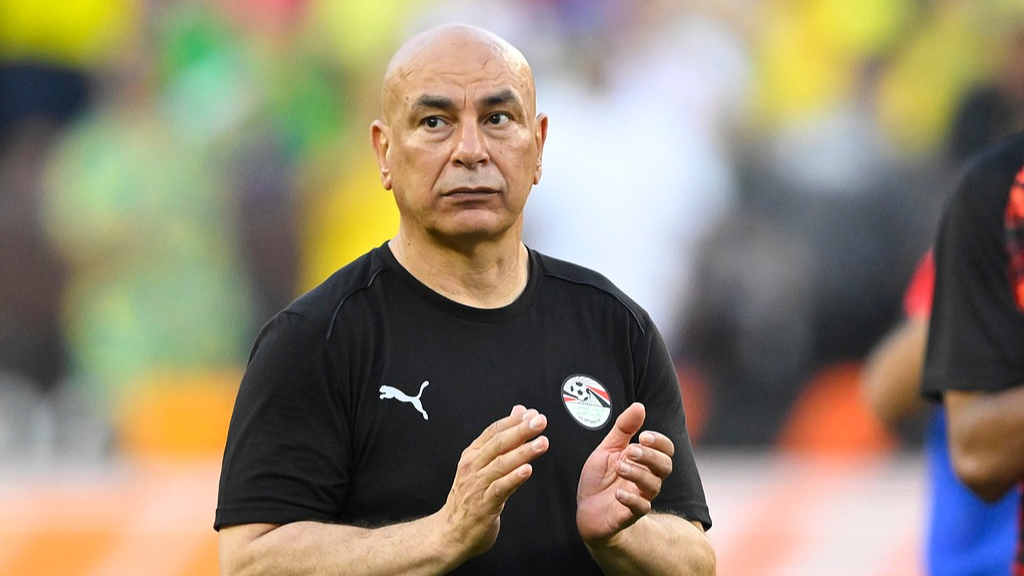
Not many figures in African football carry the legacy of Hossam Hassan. The legendary striker remains Egypt’s all-time top scorer with 69 goals in 177 appearances. His famed playing career included AFCON triumphs in 1986, 1998, and 2006, as well as a FIFA World Cup appearance in 1990. Domestically, he starred for Egyptian heavyweights Al Ahly and Zamalek.
After retiring in 2008, Hassan moved into management, gaining experience at several Egyptian clubs, including Zamalek and Ittihad Alexandria. His coaching path was shaped by high-pressure environments that mirrored the expectations of the national team. That was hugely successful.
Hassan was appointed coach of Egypt in 2024, having gained some international experience while coaching the Jordan national team. Hassan has brought his trademark intensity and competitive mentality to the Pharaohs. His tenure has focused on restoring discipline, improving consistency in qualifiers, and maintaining Egypt's traditional strength in continental competitions.
Pape Thiaw (Senegal)
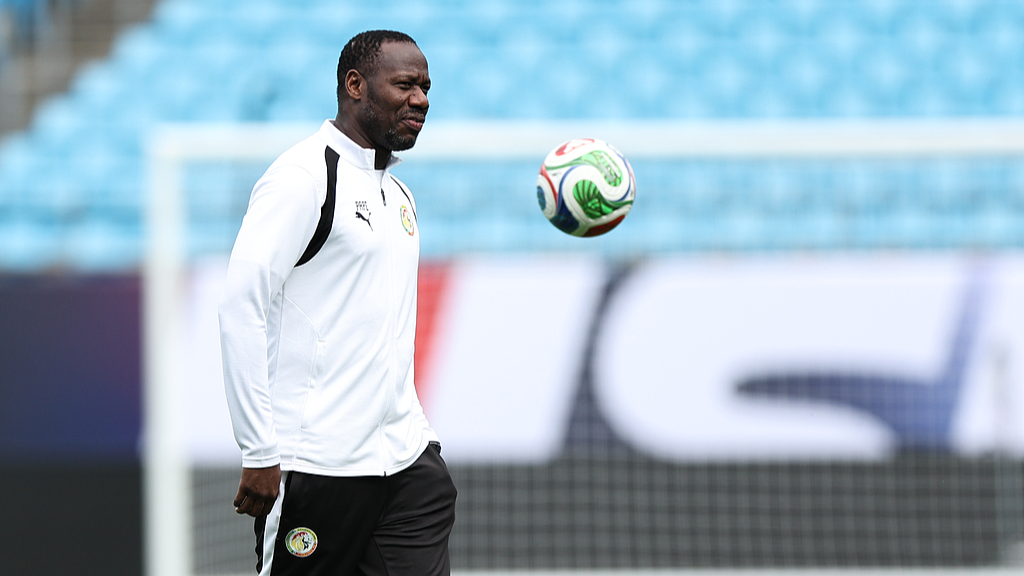
Pape Thiaw's playing career involved stints in France, Spain and Russia. He was part of the national squad at the 2002 FIFA World Cup, where Senegal famously reached the quarterfinals.
Before taking over the senior national team, Thiaw developed his coaching reputation within Senegal’s domestic and A' national team structure. His major breakthrough came when he led Senegal to victory in the 2022 African Nations Championship (CHAN), demonstrating tactical discipline and squad cohesion.
He also served as assistant to Aliou Cisse at the senior national team, gaining exposure to elite tournament management. Thiaw succeeded Cisse as head coach in late 2024, representing the continuity of a strong footballing generation in Senegal. Following in Cisse's footsteps, Thiaw managed to maintain Senegal’s competitiveness, guiding them to the 2025 AFCON title, even though that now hangs in the balance amid a dispute with Morocco.
He also oversaw strong World Cup qualifying performances by the Teranga Lions.
Bubista (Cape Verde)
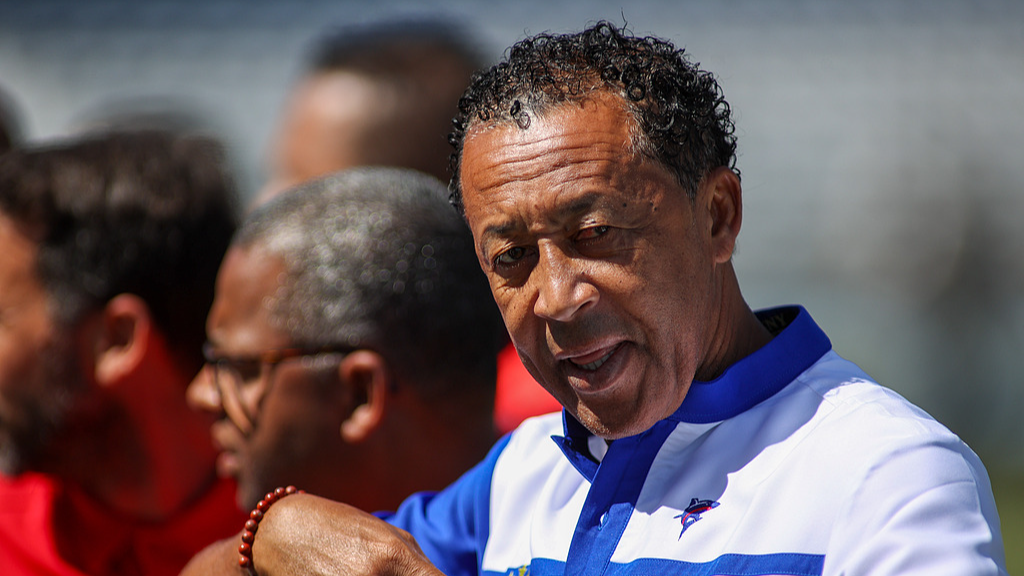
Pedro Leitao Brito, popularly known as Bubista, is one of the most inspiring success stories in African coaching. A former centre-back for Cape Verde, he earned over two decades of international experience, combining leadership on the pitch with exposure across multiple leagues.
His playing career included a brief spell in Spain with Badajoz, a successful period in Angola with ASA—where he won the Girabola title—and later stints in Portugal and Cape Verde.
As a coach, Bubista built his foundation domestically, winning the national championship with CS Mindelense before managing several local clubs. His experiences would define his pragmatic, resource-efficient coaching style.
His appointment as national team coach in 2020 transformed Cape Verde into one of Africa's most tactically disciplined teams. Under his leadership, the nation qualified for AFCON 2021, reached the 2023 AFCON quarterfinals, and achieved its greatest milestone—qualifying for the 2026 FIFA World Cup for the first time in history. His achievements also earned him the CAF Men's Coach of the Year award in 2025, marking a landmark moment for small-nation football development.
Mohamed Ouahbi (Morocco)
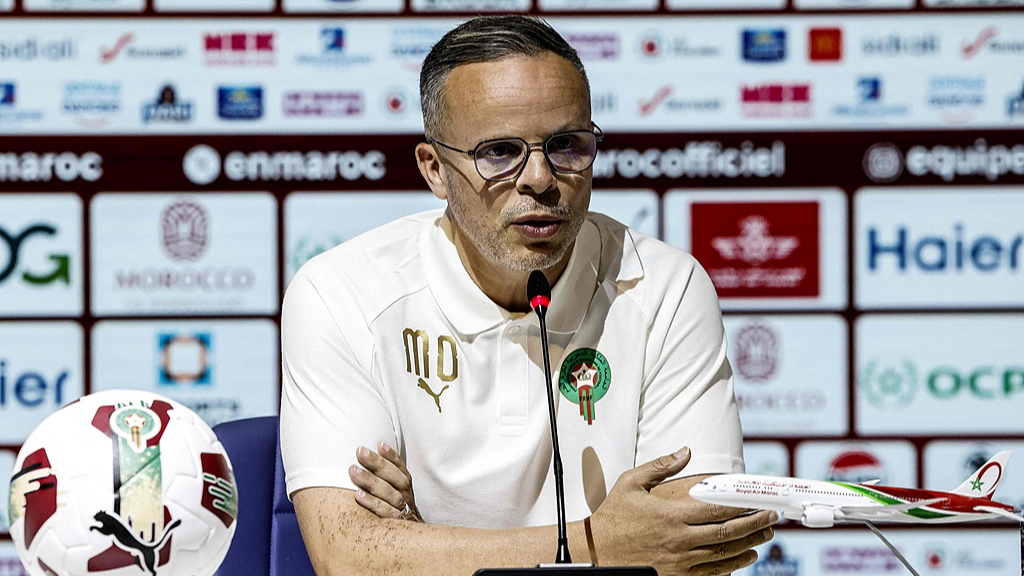
Mohamed Ouahbi's homegrown success followed a different path: he grew entirely through development systems rather than a professional playing career. He was born in Belgium to Moroccan parents, and he focused early on coaching, starting at just 21 years old.
Ouahbi developed elite prospects and gained recognition for his tactical education model during a long tenure at Anderlecht's academy in Belgium, where he worked across multiple youth levels. He later joined the Moroccan federation in 2022, taking charge of youth national teams. His approach emphasizes discipline, identity, and continuity between Morocco's youth and senior systems. His blend of youth development principles with senior-level tactical demands.
With Morocco's U20 side, Ouahbi achieved global success, winning the 2025 FIFA U-20 World Cup in Chile and producing a generation of standout young talents. His success at youth level led to a rapid promotion to the senior national team in 2026.
Ouahbi succeeded the widely respected Walid Regragui and will have a tough task trying to fill in his shoes. The former tactician famously led the North Africans to an historic semifinal at the last World Cup in Qatar in 2022, a first for both an African and an Arab national team. He also took Morocco to the final of the Africa Cup of Nations on home soil at the start of the year.